

To say that the Gods have not looked kindly upon Australian football over the last 12 months, would be a gross understatement. The Olyroos failed to qualify for the 2024 Olympic Games and the Socceroos early underwhelming World Cup qualifying performances precipitated the resignation of coach Graham Arnold. Currently, direct qualification for the 2026 World Cup is still in the balance.

The Matildas remain without a permanent coach but continue to attract good crowds for local fixtures. Injuries however to skipper Sam Kerr and now Mary Fowler have dimmed the glow of Australia’s favourite female sporting team. At club level, the Hyundai Ute men’s A – League has staggered from one crisis to another. These included the speedy exit of former CEO Danny Townsend in October 2023, the Macarthur Bulls yellow card betting scandal and the grand final location fiasco. Last week, Football Australia’s Chief Executive, James Johnson announced his resignation and Subway Australia have declared that in September this year, they will not be renewing their substantial sponsorship and naming rights of Australian football’s junior and senior national teams. To cap off the financial woes of Football Australia, the ruling body will shortly report an $8.5m loss for the 2023-24 financial year, a loss exacerbated by a provision of $4.1m for the unlikely recovery of a loan to the Australian Professional Leagues (“APL”).
The Australian Professional Leagues owns and administers the men’s and women’s premier leagues and is on a road to nowhere. Financially embarrassed, despite the great “unbundling” of 2019-2020 that then APL chairman Paul Lederer described as “an historic moment for the future of football in Australia”, the Isuzu Ute A – League is teetering on the edge of obscurity.
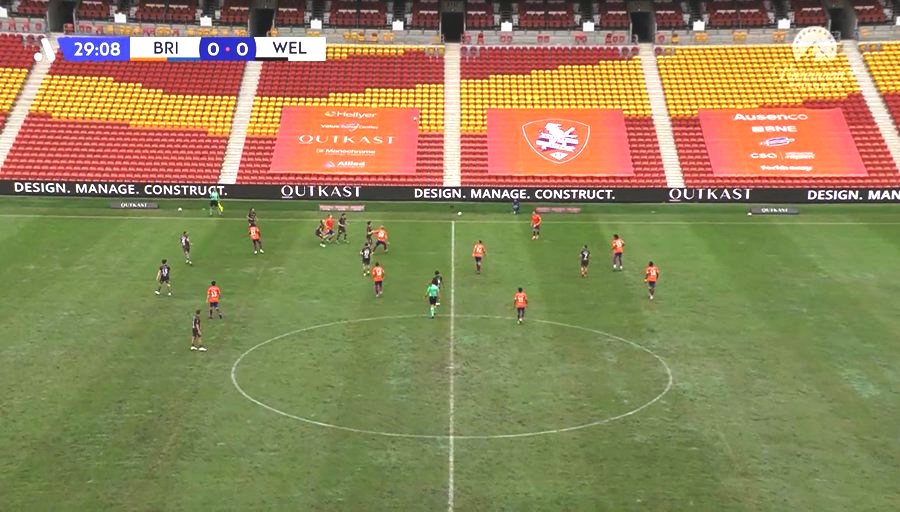
When interest and excitement should be growing during the final weeks of the competition, we see crowds petering out – eighteen hundred spectators at a 55,000 capacity Suncorp Stadium to watch Brisbane Roar play Adelaide United and not many more at AAMI Park for Melbourne City v Adelaide United, both top six placed clubs. The inclusion and success of Auckland FC this year may have boosted overall attendances marginally, but whether New Zealand clubs Auckland and Wellington are advantageous long term for the Australian men’s premier competition, is debatable.
Meanwhile, the possible white knight for club football in the form of a National Second Division, now to be known as The Australian Championship, has been diluted and delayed. This competition, described by the departing James Johnson as “a bold leap forward for the sport” will now commence in October this year. Instead however of being an exciting coming together of ethnic based “foundation clubs” playing a full season of home and away matches, it appears to be nothing more than a sixteen team round robin competition extending just eight weeks, with other NPL clubs making up the numbers.

Inviting eight foundation clubs to this competition is just a means to appease the growing discontent of those clubs with a rich football history and to paper over the divide that has seen these clubs locked out of the premier football competition in Australia for over 20 years. The proposed Australian Championship is not a satisfactory substitute for a national second tier of club football. What happens next? Another eight week “championship” in 2026?
Where is the commitment for a full season, national second division (in winter would be nice) with promotion and relegation? A competition where clubs from all over the country can strive one day to replicate the exploits of Welsh club Wrexham. The Welsh side have just gained promotion in the United Kingdom for the third successive season and are now knocking on the door of English Premier League football. Why can’t South Melbourne, APIA Leichhardt, Adelaide City or Marconi have a similar dream to that of Wrexham? Why can’t the elation that the Wrexham fans experienced, be mirrored in Australian club football?

It all seems too hard for Football Australia who seem hell bent on keeping the status quo of the A-League and W-League franchises. I still believe that Association Football (and we can call it “soccer”) can become the number one football variant in the country but a major rethink of club football is imperative. As we all know, association football is the largest participation sport in the country but 95% of participants, myself included, do not attend professional or semi professional club football.
Club football evolved in Great Britain and elsewhere with the growth of clubs from specific geographical areas and communities that represented the populace from those areas and communities. The 2024 Isuzu A League Grand Final, played at Industree Group Stadium Gosford perfectly showed that the future of Australian club football lies not with centralised clubs playing in large sparsely populated stadia, Allianz Stadium Sydney and Suncorp Stadium Brisbane come to mind, but in smaller local grounds centred in the heartland of the clubs’ supporter base.
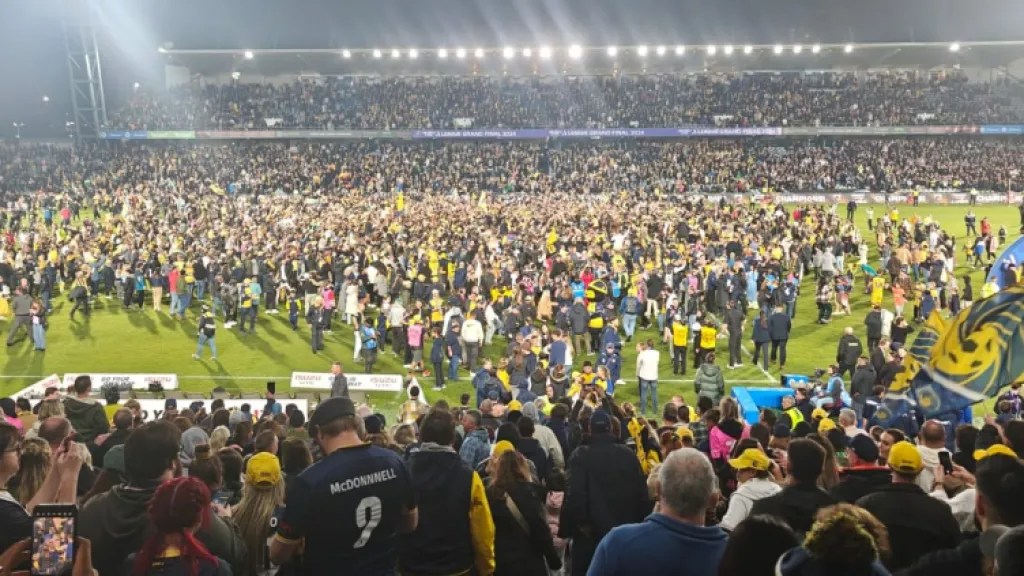
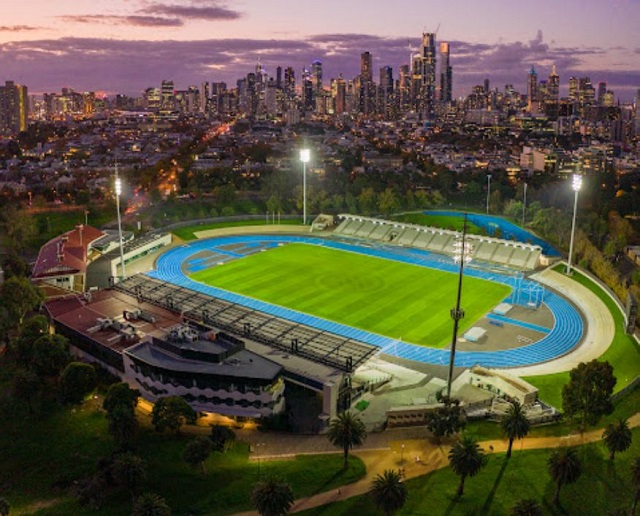
Admittedly, that match was a grand final, but the Mariners “rags to riches” success captivated the district. This was the locals’ own team performing above expectation in their club’s backyard. Club supporters don’t want to have to battle city traffic or parking issues to watch their local team. The Manly Sea Eagles rugby league fans are a good example. These supporters will rarely travel outside of what they call “God’s country” to support their team. However, give the Manly fans “Brookie Oval”, now 4 Pines Park on a Friday or Saturday night and the ground will be packed.
In Australia, the top tier of club football, Isuzu A – League and Ninja W – League, clubs presently rely on diminishing television rights, financial investment from (some) dubious corporate entities and allocations from grassroots football registration fees, to finance their operations. Using many guises, but also to prop up the ailing competitions, Football Australia is now seeking money (“investment”) from any willing level of government under their “Securing Our Football Future” proposal. Maybe it is time to stop seeking government funding and encourage clubs by providing a viable, national second and third level of football, all linked through a pyramid structure, where both the first and last days of competition are meaningful. Encourage clubs to be self sufficient and invest in young talent and not 38 year old imports. Inspire clubs to invest in their own home grounds and not squander rent on unnecessarily large stadia.

Strong professional competitions and successful national teams will promote good health for the future of Australian football. Our brand of football has always been the largest participation sport in the country and the juggernaut impact of the Matildas has seen female registrations increase by 20% since the 2023 Women’s World Cup. With growing concern of the effect of head injuries on players in AFL and the rugby codes, the preference for new youngsters opting for soccer as their sport, will continue to grow.

These new Matildas and Socceroos aspirants must be aligned with a district based club – a swathe of privately run, money spinning football academies is not the answer. If the multitude of grassroots players around the country, can convince their parents, partners and siblings to support their local district or community team, a team that could do a “Wrexham” and perform at the pinnacle of club football in Australia, the fan base would be staggering.
Frank Lowy, chairman of the former Football Federation of Australia, wanted Australian club football to become the predominant football version in Australia. But, as Lowy’s grandiose plans for the A – League (including playing in large inappropriate venues) have faded, it is time for yet another reset of Australian club football.

Australian club football has to return to making district and community based clubs, the focus of Australian club football. Clubs must have their own grounds, which can be modest initially but grounds that become synonymous with the club rather than largely empty, soulless stadia. Most importantly, the district and community based clubs must have the ability to play in the highest level of Australian club football. Promotion and relegation from the lowest NPL divisions to the premier level of club football, the A – League, W – League or whatever they may be called, is non negotiable.
David Jack © 2025

 David Jack