George Best – The Belfast Boy, one of the most exciting players to have pulled on a pair of football boots
On this day in 1946, George Best, the son of Dickie and Anne Best was born in a Belfast Hospital. The pointless argument will forever continue as to who is the greatest footballer of all time and for me, George Best is up there with Pele, Maradona, Messi, Cristiano Ronaldo, Di Stefano, Cryuff and others in elite footballing company.
As stated though, it is pointless to nominate the “greatest” because it is not possible to compare players from different eras. As English Premier League pundit Andy Gray once suggested, could (Lionel Messi) “do it on a cold winter’s night at Stoke”. How would Pele have coped on the mud bath at The Baseball Ground home of Derby County and without modern training and sports science, would Cristiano Ronaldo be the almost perfect physically structured footballer that he is? We wonder too, would Maradona have been as effective and had such masterly ball control and touch had he worn 1930’s vintage clodhopper football boots and had to play with a heavy, laced waterlogged leather ball?
Diego Armando MaradonaLionel Messi / Cristiano RonaldoGeorge Best & Pele in the USA
Between them, Messi and Ronaldo have won numerous Ballon d’Ors, the ultimate individual award for a footballer but they have also been fortunate to have played in club teams, consistently bristling with very talented players. As their success at international level has not matched that of when playing with their club teams, could it be argued that they owe much to their talented clubmates as it is certainly easier for an individual to impress when surrounded by class players? Likewise Alfredo Di Stefano at Real Madrid had an outstanding supporting cast, including the Hungarian “Galloping Major”, Ferenc Puskas. We need to concede that there is no level playing field to rank the numerous great footballers from any period of football history and therefore there will never be consensus.
Right ! As I have now established unequivocally that the greatest footballer of all time cannot singularly be determined, who is the player that I would most want to watch if I was down to the last 90 minutes of my life – my last two halves of football on this earth? My choice would be today’s birthday boy, George Best. This opinion is not based solely on the skill factor, although George and all the others mentioned earlier had it in abundance, but measured by the player’s excitement factor, poise, style, audacity and the ability to do the unexpected, in short, entertainment value. George Best was an entertainer, a showman and if you paid your admission and George was on the park, entertainment was guaranteed.
George Best airborne, scoring the second of his three goals against West Ham United at Old Trafford 1971
George’s career took off in 1964 almost simultaneously with that of The Beatles. If you were watching Manchester United at Old Trafford at that time, as soon as Best received the ball, instantly thousands of girls erupted into shrill screams and screeches. In the mid nineteen sixties, this type of behavior was usually reserved for four mop top musicians from down the road at Liverpool and a number of blossoming copycat pop bands. Before the soprano voiced crowd could faint, the slight, dark haired leprechaun in football boots had taken off, often through the Manchester mud, on a mazy run. The Irishman would glide past opponents, skipping over ruthless challenges with the grace and balance of a footballing Rudolf Nureyev. On many an occasion, Best would beat a defender and go through the exercise again, teasing his opponent for having the temerity to try and tackle him.
A study of poise and balance in the late 1960’s
George holding his left boot after the F.A. Cup tie in 1965
Though a modest and shy man off the field, on the football pitch George Best was forever the showman. He once beat an opponent by gently playing a one – two off the back of another defender lying injured on the ground. With time running out in an FA Cup tie for Manchester United against Burnley, George’s boot came off but he continued with one boot, laying on a pass for an equalizer with his stockinged foot and then supplying the pass for the winning goal. All this while playing without his left boot !
English first division football in the nineteen sixties was a tough gig. Hatchet men such as Chelsea’s Ron (“Chopper”) Harris and Leeds United’s Norman (“Norman Bites Yer Legs”) Hunter took no prisoners and were given more than enough leeway by referees. Best never shirked any challenges and took delight in showing his mastery of the toughest defenders of that time. Though not playing as an out and out striker, the Irishman proved to be not only a great goal scorer (he was Manchester United’s leading marksman for five consecutive seasons) but indeed a scorer of great goals.
Old Trafford October 1970 – Best preparing to dribble around Peter Bonetti to score a wonder goal against Chelsea
George Best saved much of his audacity for goalkeepers. With a flick of George’s slim hips, he would have goalkeepers, clutching at thin air as he shimmied and strolled around them. Shooting for goal would have been the safer, more orthodox option but orthodoxy was not part of the George Best modus operandi. Two of England’s greatest custodians, Peter Bonetti of Chelsea and Gordon Banks of Stoke City were just two to succumb to the Best trickery. Never a dull moment with George.
George’s boldness and torment of goalkeepers peaked in May 1971 playing for Northern Ireland against England at Windsor Park, Belfast. Again, the goalkeeper was Gordon Banks whose kicking technique was to lob the ball with his hand into the air prior to clearing it downfield. Alert to Banks’ method, as the England goalkeeper released the ball, Best nipped in and flicked it goalward away from bemused Banks and then nodded the ball into the net. The “goal” was disallowed most likely because the referee just did not see the incident and to this day Irish supporters claim that they and George Best were robbed of a goal created by the supreme invention of their footballing idol.
Gordon Banks about to be hoodwinked by Best at Windsor Park Belfast in 1971
Banks embarassed again by George Best – Stoke City, Victoria Ground 1971
It is unfortunate that so many of George Best’s goals were not filmed but in 1969 when Manchester United beat Northampton 8-2 in an FA Cup tie, the TV cameras captured all ten goals, with George Best scoring six himself. George completed his double hat trick by dummying around Northampton goalkeeper Kim Book and walking the ball into the empty net as the bemused Book sat in the muddy goalmouth.The pinnacle of George Best’s football career came just six days after his 22nd birthday in the 1968 European Cup Final at Wembley Stadium against Portugal’s Benfica. Blessed with utmost self confidence and seemingly devoid of nerves, with scores level at 1-1 in extra time, a long clearance by Manchester United goalkeeper Alex Stepney was flicked on to Best thirty five metres from the Benfica goal. Instinctively George slotted the ball through a defender’s legs and with only goalkeeper Henrique to beat in the most prestigious match in world club football, rather than drive the ball into the goal, as calm as you like, Best opted to skip around the stranded goalkeeper and stroke the ball into the net. This goal sunk Benfica and United scored twice more to secure their first European title.
One of George Best’s most memorable goals was scored in January 1971 against one of the best British goalkeepers and international team mate of Best, Pat Jennings. Playing against Tottenham Hotspur at Old Trafford, Jennings punched a clearance in the direction of Best who was lurking just inside the crowded penalty area. The Manchester United wizard cushioned the ball on his chest and in one motion lobbed it gently over four Spurs defenders, including Jennings into the net. Goals don’t come much better or more audacious than that.
Upsetting the Merseysiders – taking on Everton George Best shooting against arch rivals, Liverpool
George Best was the complete footballer. He had incredible footballing ability and above all else, cheek. George was not just the player, he was the performer. Much loved throughout the football world, the handsome, quiet Irishman charmed fans as readily as he charmed female company. Ultimately, fame and alcohol brought Best’s illustrious football career and later his life, to a premature end but I will always be grateful that I was able to witness the career of a magical footballer. Is he the best player of all time? Who knows? But as former Manchester City manager Malcom Allison once said “George Best was special – all the others were just footballers.”
“Silent Weekend” in Lancashire, England – what a good idea ! (pic Daily Mail)
My opinion on adult football coaching / managing and the inflated value of such, has been documented previously but the impact of a parent or a coach on the development of young footballers is in need of serious review. We have all witnessed frantic behaviour of parents and coaches on the sidelines of youth football but the “encouragement”, offered by parents and would be English Premier League managers (the team coach) is doing more harm than good to children.
Only last month at Fairfield in Sydney, five adults were charged by NSW Police for affray after a brawl broke out among parents during an Under 7 football match – Let that sink in, an Under 7 game. All parents whose children have played football have hoped that their Jenny or Johnny plays well and scores the winning goal but at times nothing other than confusion or distress can result from pearls of wisdom being screamed from the uneducated on the touchline. By “uneducated” this often extends to the team coach who may have been a parent who assumed the coaching role by default, when other parents shied away from the “opportunity”.
“Can you hear me Johnny ?
Recently, the Lancashire (UK) Football Association designated a “Silent Weekend” with almost 1,000 games played in total touchline silence. The coaches also had to respect the silence directive. “It was an incredible thing,” said Neil Yates, Lancashire County FA welfare officer, whose idea it was. “Gone were the sounds of adults screaming and shouting their advice from the touchline, like a bunch of baying sea lions. It was so refreshing”. The Lancashire Association initiative aims to change the rowdy environment of junior football matches so children have the ability to learn the sport, in a calm and more peaceful environment.
The parents’ responsibility should be to ensure that their children know where and when they are playing on any particular day. The parents then need to make sure that the children are awake in good time, have breakfast, transport is arranged and that the children arrive at the ground, with sufficient time to warm up. That’s it ! By all means, stay and watch the match but other than the occasional “come on Jenny” or “well done Johnny” parents and coaches should keep their mouths shut during the match. Any other comments are distracting, can cause stress for the children and most likely won’t improve their performance.
African children enjoying football in the fields, far from the madding crowd
Thankfully, the existence of competitions for the younger players has been curtailed in recent years, which is a good move helping to modify and improve the behaviour of parents, coaches and players alike. Yes, competitions can allow the young players to bask in the temporary success of winning a medal, but winning a Grand Final does not improve the ability of a young footballer nor their sportsmanship. Certainly, the coach will enjoy adding a string to his bow and the parents can tell all their friends at the next dinner party, but winning medals and trophies is not important in the development of young footballers.
The responsibility of the coach of a young team is to advise the players which position that they should be playing in and in what part of the field they should spend most of their time. The coach must avoid trying to be an expert on the game. Not contribute clichéd coaching expressions such as “keep your shape” “no fouls” (children don’t foul) and don’t tell the six year old that you want him to play as a “6” or an “8” or worse still, as a “number 10 in the hole”. A six year old is not familiar with coaching jargon and will be confused. Explain the child’s position and what you expect from her / him, in plain language.
Helpful ? I don’t think so
I know of examples of coaches sending pages of What’s App messages to 12 year old girls with non sensical information and instructions, well beyond the call of their responsibility as a coach of young footballers. I have heard of coaches wanting young players (and therefore parents) arriving an hour before the scheduled kick off. Young players must enjoy their football experience and such requests and behaviours by the coach do not enhance the player’s match day enjoyment.
The coach must also guarantee that every player receives an even amount of game time. Even if the coach has a potential young Harry Kane or Sam Kerr in their Under 9 side, they should guarantee that young Harry or young Sam spends equal time on the substitute’s bench and if the team does not have a regular goalkeeper, make sure that the goalkeeping load is also shared by all. No favouritism.
Young footballers learning the basics skills
Australia is not known for having a football culture. Our busy urban environments are not conducive to playing street football and it is no longer safe to play at the park until dark, as I could as a boy. Consequently, young footballers won’t develop their ability naturally and a degree of skills coaching is necessary. The coach of young players should be able to demonstrate the basic skills – passing, trapping, shooting, heading and tackling. A coach should not try to implement systems and tactics for children, at least until they are well into their teens. This would distract them from developing any inherent football ability. As the legendary Liverpool F.C. manager Bill Shankly famously once said, “football is a simple game made complicated by those who should know better.”
Practising the basic skills will provide young Jenny with the ability to competently play the game. At training once these skills have been rehearsed, the coach should allow the team to play as much football as time will allow. On the pitch is the only place that budding footballers will master and improve their ability. This won’t be achieved by running an inordinate number of laps or performing one hundred push ups. The old saying, “necessity is the mother of invention” rings true on the football pitch and this will ensure that young players will develop the ability to dribble past an opponent or improve on all the skills required, without persistent instruction from a coach.
Ego is certainly not a dirty word in the technical areas
The sight of egotistical professional coaches and managers roaming their technical area, bellowing instructions to full time professional footballers is absurd to me. Don’t the players train most days of the week? The players are quite possibly far better exponents of the game than the coach / manager may ever have been. Similarly, the coach of a young team does not need to shout instructions to the team, as it will only confuse and distract them from their game.
If a young footballer is to progress and possibly reach the professional ranks, they need nurturing and encouragement, not ill advised instruction from the touchline brigade. A parent or a coach can assist in the development of a footballer but it is essential that their over zealous actions and words on the sideline don’t hinder the progress of the child. Keep the mouths shut and just let them play.
Wakehurst Football Club – Manly Warringah Football Association 2023 Over 45 Division 3 Champions
Wakehurst Football Club’s Over 45 division 3 players have been stunned by the decision of Northern Beaches Council to allocate only one quarter (that is only 25%) of one football pitch at Lionel Watts Reserve, Belrose, one night weekly, for their training this year. Club officials are outraged by the council’s action whereas Australian Rules Football and Rugby League receive a disproportionate training space on the same park, considering their player registration numbers.
Wakehurst club president Greg Dick is livid about this move by the council, which is emblematic of the nationwide ostracism of the world game and its’ participants, in favour of those of the less populous football codes. Dick points out that Wakehurst club registrations have soared by 26% in 2024, yet training space has diminished.
This prejudice against Association Football has also been highlighted recently by national team boss Graham Arnold, who was only able to train the Socceroos once on a rugby field prior to an important World Cup qualifying match. Wakehurst team stalwart, Robert Brennan scoffed at Arnold’s complaint and in a feigned Yorkshire accent said “luxury ! At least the Socceroos had a full pitch to train on and we get one quarter of a pitch for a squad of 22 players”
Wakehurst Over 45/3 were champions in their division last year and some cynics are laying the blame at the feet of Beacon Hill (now known as Allambie Heights Beacon Hill Football Club) the team Wakehurst defeated in last year’s grand final and who, some are suggesting, got into the ears of Northern Beaches Council officers, in an attempt to sabotage their rivals 2024 title chances.
Wakehurst team spokesman, Cameron Smith said “if I phone Northern Beaches Council and say it’s Cameron Smith and I need some space to coach a rugby league team,” council would reply, “how many grounds would you like Mr. Smith?” But Cameron Smith, the soccer player and his team mates have to make do with a miniature training space, so small that players get dizzy completing laps.
The paltry training space is going to seriously impede the Wakehurst team’s preparation this season. Free kick specialist, Tom Dolan (“The Narraweena Messi”) affirmed that practising his dead ball free kicks at half a goal, will play havoc with getting his angles right. Left full back Rod Lloyd, who seriously needs to practise his throw ins, will not have this opportunity, as his side of the training “area” will not have a touchline, so all throw ins will be taken on the right hand side and Rod misses out on the chance to improve his throw in capability.
Not all players were unhappy however, with the mini training space. The team’s diminutive goalkeeper, Sean Poulson now only has half a goal to cover at training and stands a better chance of saving some of his team mates blistering shots thereby avoiding the subsequent banter that normally comes his way.
Wakehurst midfielder and physical fitness guru Tico Rios is concerned that players are going to have to complete forty laps of the training pitch before raising a sweat whereas previously, two laps of a full field would have the defibrillators primed.
Once again, the “Beautiful Game,” the “World Game” or whatever you would like to call it, is the victim. Something must be done and how many FIFA World Cup wins by the Matildas or the Socceroos do we need before Northern Beaches Council afford the round ball game the space and facilities that it deserves?
“Smile boys” – The not so popular Socceroos according to a poll in September 2023 : Photo – Optus Sport
A survey conducted by news.com.au after the 2023 Women’s World Cup, revealed that the Matildas ranked 2nd (22.8%) behind the Australian male test cricket team (31.2%) as Australia’s favourite national sporting team. As cricket in the Australian summer dominates the population’s interest, this is not surprising, however that the Socceroos came in 6th with a miserly 6.4% of the vote, should be of concern to the game’s administrators. Considering that the “world game” ranks first in sport participation numbers nation wide, the question needs to be asked as to why our national men’s football team is graded so lowly in the popularity charts? Why does a team that performed so creditably at the 2022 FIFA World Cup have such a modest popularity rating?
Star quality – Sam Kerr & Mary Fowler : Photo – The Guardian
Despite the 2022 World Cup heroics, the Socceroos, with a couple of exceptions, remain a team of unknowns, strangers to local football followers. Unlike the Matildas who have genuine star players in Sam Kerr and Mary Fowler, the Socceroos squad is bereft of true quality performers and the majority of the team are playing in lower football divisions overseas. For most Australian football fans, it is a case of out of sight, out of mind.
After the Women’s World Cup, Australian penalty shoot out heroine, Cortnee Vine asserted that more needs to be done to retain elite women footballers in Australia, including better remuneration. Clearly the same applies to their male counterparts. Cortnee went on to say “I think that its’ so important for our faces to be here. We represent this country, I think it’s so important to be part of the domestic league and to show the girls that this is the way we go”. Too true Cortnee!
Cortnee Vine celebrates her penalty goal against France WWC 2023 : Photo – SMH
In the six weeks or so of the Women’s World Cup, the Matildas received large scale exposure and their engagement with the media and their winning over of the public, was a lesson that the male footballers would do well to learn. The Matildas also won many friends with their approach to playing football. The women’s game is more free flowing, less aggressive and tackles less cynical, than those of men’s international football. On many occasions, I even saw the girls laughing and appearing to be enjoying the game! What limited engagement we have with the Socceroos is usually standard post match interview responses, where the stock phrases are rolled out and typically “all credit to the boys” is offered. The Socceroos popularity is critical as it feeds into merchandising, ticket sales, player registrations and keeps the broadcasters happy. All of which helps the coffers of the reputedly cash strapped Football Australia.
” Aussie” Martin Boyle of Hibernians (Scotland) : Photo – Sky Sports
In announcing his twenty six man Socceroos squad for the 2024 AFC Asian Cup in Qatar, coach Graham Arnold included a certain Gethin Wynne Jones as one of the selected players. Like myself, thousands of Australian soccer followers were asking the question, Gethin Who? Gethin Wynne Jones (it doesn’t get more Welsh than that!) has played for 7 English football clubs in 9 years, fleeting between the Championship and Leagues One and Two. Jones is presently playing for Bolton Wanderers in League One, effectively the third level of professional football in England.
Bolton Wanderers Welshman Gethin Jones – a surprise selection for the Socceroos : Photo – Manchester Evening News
In 1950, an essay “The Cultural Cringe”, referring to Australian literary works, proposed that “in any nation there should be an assumption that the domestic cultural product, will be worse than the imported article”. Australian soccer has always suffered from such a cultural cringe and continues to be infected by it today.
Certainly, this was true with Australian club football from the 1960’s onwards, evidenced by the scores of second rate British imported players, filling team spots that could just as easily have been taken by locals. We still see this in the Isuzu Ute A League, where imports / “visa” players frustrate the ambitions of the local players. There are a large number of exciting local players currently with A League clubs (Brisbane Roar is a good example), however most are just not getting enough playing time, due in part to the presence of visa players imported from lower divisions overseas.
The cultural cringe is patently evident with Socceroos selection. Apart from a couple of exceptions, playing anywhere outside of Australia, be it in the second divisions of Norway, Germany or Japan is considered a better “article” than the local product, the Australian professional football competitions. Or, in the case of Asian Cup squad member, Marco Tilio at Celtic, scarcely playing at all overseas is preferable to scoring hat tricks in the A League. Nevertheless, I do consider Tilio a very talented footballer.
Marco Tilio – yet to start at Celtic but selected for Qatar : Photo Celtic FC
Getting back to Gethin Jones, is it reasonable to assume that there may be local Australian footballers more deserving of a place in the national side than a 28 year old English lower divisions journeyman, who states unashamedly that he is 100% Welsh? At his recent press conference after the announcement of the Asian Cup squad, Graham Arnold stated that “we have been very impressed by Gethin’s form.” I would ask the question, “how difficult is it to impress as a right full back in the third level of English football?”
There have been a number of “strangers” who have been elevated to the national team ranks in recent years, emphasising the cultural cringe ethos. Martin Boyle, Harry Souttar and Cameron Burgess were all born in Scotland and never played club football in Australia. We didn’t know them nor their footballing background and is it any wonder that the Australian public rank the Socceroos as only their 6th favourite national sporting team?
Once a player is picked in the national team, the effusive Australian TV media, with their superlatives and patriotic commentary, can turn an unremarkable thirty year old Scottish winger or a 28 year old Welsh full back into Australian football superstars. Don’t expect objective analysis either from the barely visible football print media and on line reporters. Journalistic scrutiny and objective assessment of Australian football has long gone.
Bayern Bound -Nestory Irankunda (right) with his agent Adrian Griffin : Photo Front Page Football
Graham Arnold seems to manage the ancestry.com jibe amiably enough these days, but it is sad that the coach feels that he has to recruit players, with fragile links to Australia, to fill the Socceroos ranks. How annoying too, it must it be for a precocious talent such as Adelaide United’s 17 year old Nestory Irankunda to be overlooked for John Iredale. The latter’s team SV Wehen Wiesbaden, are in the bottom half of the German second division having been promoted from the third division in 2022-23? Iredale, a former Sydney FC player, has a meagre goal tally in Germany, however he has been selected ahead of Melbourne City’s Jamie Maclaren, whose prolific goalscoring form continues – but in Australia. Admittedly, Melbourne Victory’s Bruno Fornaroli was selected in the Asian Cup squad although the Uruguayan born striker’s astounding A League goal tally this season, demanded selection.
Jamie Maclaren – banging in the goals for Melbourne City but despite the ancestry and distinctly Scottish name, not required in Qatar : Photo – Canberra Times
Of course, Australians dating back to Joe Marston and Ken Greives in the late 1940’s, have chased football careers overseas, primarily in England but also throughout Europe. Some did achieve a good measure of success, certainly Marston, Craig Johnston and the “Golden Generation” of Kewell, Viduka, Bosnich, Cahill and Neill, but many who ventured overseas found that ultimately, there was no place like home and these returned to play in Australia, well before their twilight years. Playing in the premier English leagues, Johnston and the majority of the Golden Generation were very visible. Additionally, most had spent their formative football years in Australia and when they were playing in the top English divisions, their familiarity with Australian football fans was guaranteed.
Craig Johnston enjoyed an outstanding career at Liverpool with an exceptional Liverpool team : Photo – BBC
The 1973-74 Australian World Cup squad comprised a team most of whom were born overseas, however they all played their club football in Australia, not in the lower leagues of Norway, Germany or Japan but at local suburban grounds. These grounds may not all have been ideally suited for football but in Sydney, at venues such as Arlington Oval, Lambert Park or Bossley Park, you could lean over the fence and hand the ball to Ray Baartz, Johnny Warren or Ray Richards. If you lived in South West Sydney, you might have been lucky enough to have had your milk delivered by Manfred Schaefer of St. George and Australia. We knew these players and even without TV coverage, international players had a major presence in the country. This may have been from turning out regularly at Middle Park or Olympic Park, Melbourne, possibly appearing at school holiday children’s coaching clinics or as guests on local television sports shows.
Socceroos Attila Abonyi and Alan Ainslie (dark shirts) playing at suburban Drummoyne Oval Sydney in 1971 : Photo – Anton Cermak Col Curran (dark shorts) who gave up the chance of overseas professional football to forge a very successful career in Australia : Photo – Anton Cermak
We play far too few international matches in Australia, again an important way to help fans connect with the Socceroos. Even when not constricted by international breaks, the national team plays Argentina in China and Mexico in Texas ? There are a number of Asian nations that would provide stiff opposition for Australia and how hard would it be to play a mid week game against our New Zealand neighbours. If overseas based players could not obtain a release from their clubs, there would be plenty of others here, keen to represent their country. I’m sure that Australian football followers might warm more to the national team, if we could watch them play more often, not just in occasional World Cup and Olympic Games qualifying matches against the likes of Bangladesh and Lebanon.
Australia has a huge number of registered footballers and it is imperative that we cash in on the volume of grassroots players and have them embrace our national football teams. For this to happen, we need more national team players turning out regularly here in Australia. Too many local players head overseas mistakenly thinking that the overseas grass is always greener. To stop the export of our best talent, it is imperative that Australia has seamless, vibrant professional competitions that are fully connected through promotion and relegation. Where every match counts and 16 and 17 year old players consistently have the opportunity to compete with the country’s best.
Until those competitions materialise and player’s salaries increase, it will be hard to avoid local players seeking football and financial fortune overseas. In the meantime, let’s give more national team opportunities to those playing locally and cease this cultural cringe mentality where the local player is frequently considered inferior to the “strangers” playing overseas. Then, the Socceroos might find a greater slice of the nation’s love.
A young football writer starting out in London in 1947
David Ronald Jack, my father, was born on 6th June 1925 in Bolton, Lancashire. David was the only son of David Bone Nightingale (“DBN”) Jack and Kathleen Jack (nee McCormack). David was a sports writer, author and TV Presenter and he and his wife Rose had seven children during their lengthy marriage. David wrote primarily on Association Football for 40 years, split almost 50/50 between working in England and in Australia. David attended and reported on a number of FIFA World Cup tournaments including milestone achievements of Australia’s first ever World Cup Final’s appearance in 1974 as well as being present at Wembley Stadium on the occasion of England’s World Cup victory in July 1966.
Plymouth ArgyleDonald, Bob David BN & Rollo Jack
The Jack name had been synonymous with British football for generations. In 1885, David Jack’s grandfather, Bob Jack was amongst the earliest Scottish professional footballers to infiltrate the predominantly amateur game as it was at that time, south of the Scottish border. Bob Jack played professionally for Bolton Wanderers and Preston North End and managed Plymouth Argyle for 29 years. Bob Jack had three sons, Rollo, Donald and David (hereafter referred to as DBN Jack), all professional footballers, although DBN Jack was the stand out.
Football Writers Association Membership
The Jack family excelled in a number of sports, including tennis and Rollo Jack became a high ranking lawn bowls player. DBN Jack scored the first goal in an F.A. Cup Final at Wembley in 1923 and was twice transferred for what were then world record transfer fees. DBN Jack captained England on a number of occasions. DBN Jack’s signing by the legendary Arsenal manager, Herbert Chapman in 1928, was the catalyst for almost a decade of continued success for “The Gunners”. DBN Jack made the difficult conversion from a strict Scottish Presbyterian upbringing to Catholicism, to allow him to marry Roman Catholic Kathleen from Derry, Northern Ireland. DBN Jack scored the only (winning) goal for Bolton Wanderers in the 1926 F.A. Cup Final, just three years after scoring the very first cup final goal at the Empire Stadium, Wembley in 1923.
David B N Jack scoring the first goal at Wembley 1923
Having a father who captained England and two professional footballing uncles, it was inevitable that young David might himself look to earn a living playing football. David was a capable centre half (now known as a central defender) and played in the North Eastern Wearside league. His father considered that David might make a decent third division centre half but in those days, footballers’ wages were capped and David’s father, an English international, was only earning £8 weekly. Young David was encouraged by his father to get a “proper job” so he joined Barclays Bank. Admittedly, banking wages were no better than those of a third division footballing centre half, however behind the banking counter there was less chance of David sustaining a broken leg or knee cruciate ligament injury, so the prospect of long term employment was more secure in banking.
Having a puff in the office in Manchester
Although working as a London bank teller, David’s desire to earn a living from football was strong and in 1947 he applied for and was successful in securing a cadetship in journalism with the Sunday Empire News. Initially restricted to court reporting and mundane stories of garbage bin and cat theft, David’s break in sports journalism came in November 1947. Not yet considered for matches featuring high flying clubs such as Liverpool, Manchester United or Wolverhampton Wanderers, David’s first match report was an intriguing first round F.A. Cup match between non league club Vauxhall Motors and third division Walsall, with the car assembly specialists losing a close encounter 2-1.
In 1947, English football was a seasonal sport and when not engaged in football writing, David covered weightlifting, wrestling, tennis, cricket, speedway and whatever sport entertained post war Great Britain. With the advent of European football championships and England’s belated inclusion in World Cup football, David’s job took him further afield and he spent more time covering his primary sporting love, football locally and internationally
Book signing with Len Shackleton
Leaving court reporting behind him and gaining confidence as a writer, David ghosted footballer Len Shackleton’s book “The Clown Prince of Soccer” (Nicholas Kaye Limited 1955). The subject Len Shackleton, was possibly the original “maverick” footballer, long before the term was ascribed to players such as Rodney Marsh, Frank Worthington, Paul Gascoigne and the like. A controversial footballer, Shackleton only played a handful of times for England but was famous for his party tricks, including playing one two’s off corner flags and sitting on the ball in the penalty area during a game, pretending to comb his hair. The book sold well and to this day is still best known for Chapter 9, “The Average Director’s Knowledge of Football” – The chapter was blank.
The offending match report
Nearly ten years into his journalism career, David was a reputable and respected football writer. In 1956 however, his reputation risked coming unstuck, the result of a damning but what he considered, honest report of a First Division match between Wolverhampton Wanderers and Birmingham City. Both clubs were unhappy with the report and consequently banned David from press box and directors box facilities at their respective grounds. The banning of a journalist became a “cause celebre” and the matter was discussed at length on BBC television. David reported the next match from the terraces and Wolves and Birmingham eventually reinstated his press access, but not before legal action was threatened by both sides.
In 1957, David ghosted another book, “My Story” (Souvenir Press 1957) Manchester United manager Matt Busby’s autobiography. Although first published in 1957, David revised the book 12 months later, adding another chapter, after the plane crash at Munich the following year, in which eight Manchester United players and eight journalists were killed. Ironically and sadly, the review (below) of “My Story” had been written by the esteemed Manchester based journalist, Donny Davies (“An Old International”) who died in the Munich crash.
“Fergie”The original Mr. Cricket
It was just good fortune that David was not on board that fateful BEA aeroplane that crashed in Germany on 6th February 1958. David had travelled to Dublin in September 1957 to cover the European Cup preliminary round match between Manchester United against Shamrock Rovers. When United had progressed to the quarter finals of the European Cup and a match up with Red Star Belgrade, David expected to travel to Belgrade to cover this clash. David’s editor however, asked him to travel to Stockholm instead, to cover the 1958 FIFA World Cup draw, scheduled for 11th February 1958. The eight journalists who died on board the flight at Munich, returning to England from Belgrade, were all grouped together at the rear of the plane. There was every chance that at the age of four, I could have lost my father, had he travelled to Belgrade.
This was a very difficult time in David’s life. Those journalists who perished at Munich were his friends as well as being colleagues. Two weeks earlier, David’s mother Kathleen died followed as did his father, later in 1958. After the Munich crash, David was posted permanently by his newspaper, to the North West of England. David’s transfer was to help fill the void caused by the Munich journalists’ deaths. David and Rose purchased a house in what is now a prized piece of real estate in Wilmslow, Cheshire.
Sept. 1957 Manchester journalists in Dublin. Five would perish at Munich
David continued to write biographies and next up was “Finney on Football” ( Nicholas Kaye Limited 1958) the story of Tom Finney, one of England’s greatest ever footballers and then “Right Inside Soccer” (Nicholas as Kaye Limited 1960) the musings of Burnley FC Irish inside right, Jimmy McIlroy, coinciding with Burnley’s winning the English First Division. To avoid being typecast as a football writer, David had also written the autobiography of Bill Ferguson (Nicholas Kaye Limited 1957). Ferguson was the official scorer of the Australian cricket team and had travelled with all the famous Australian cricketers, Bradman included, in the first half of the 20th century. David donated all proceeds of this book to Bill Ferguson’ wife who was widowed soon after the book was published. The foreword to the book was written by Australian Prime Minister R G Menzies.
Seeking a new challenge, in 1965, Dad decided that he and my mother would buy a newsagency at Thornton Cleveleys near Blackpool. David continued to write on football and in 1965 was elected Chairman of the Football Writers’ Association (“FWA”) – the first freelance writer to be appointed to that position. As sitting chairman of the FWA, David had the honour of presenting Bobby Charlton with his Footballer of the Year award in 1966, the year of the nation’s biggest ever footballing triumph, the winning of the FIFA World Cup.
A time of early rising and absentee paper boys
Like a typical journalist, David was always looking for “the big story”. He thought that he had this in 1966 when contacted by a former Scottish footballer, Jimmy Gauld, the ringleader of the British football betting scandal of the 1960’s. Gauld, who was serving four years jail at the time, had incriminated himself by selling his serialized story to the Sunday People for £7,000 in 1964. Not satisfied with The Sunday People articles, Gauld asked David to write a book with the whole story! Many letters were exchanged between Gauld and David and I still recall travelling with Dad to Wakefield as a 12 year old, where I dutifully waited outside the prison in the car, for what seemed hours. Ultimately, the book did not eventuate but dad received many letters from Gauld sent from prison, often covertly, which provide very interesting reading.
By 1966, tired of getting up daily at 5.00 a.m. to take delivery of the morning newspapers and filling in for absentee paper boys in the snow and rain, David decided that the family would emigrate to Australia. In February 1967, David and his family embarked from Southampton on the Chandris Lines ship “S.S. Australis”. The total cost under the assisted passage scheme was just £20 and motivation for this significant life change, was the promise of sunshine and the suggestion that the warmer climate might assist my brother Paul’s asthma. Also, a former journalist colleague of Dad’s, Tony Horstead (“Hotspur”) was living in Sydney and writing football for the Daily Mirror. Tony sponsored our trip and found us temporary accommodation at Manly outside the delightful former St. Patrick’s College, a Catholic Church seminary. Waking to an expansive view over the Pacific Ocean and the blue sky above, was worlds away from looking out to a drizzly cold morning in Thornton Cleveleys, Lancashire.
All on board for Australia on the SS Australis
Setting off from England in 1967, David had no employment guarantee but still nine mouths to feed. Upon arriving in Australia, David had to prove his worth as a journalist, which he achieved by writing a series of articles for Pix magazine. One in particular on Australian jockey Mel Schumacher, caught the notice of the industry and as the Sydney Sun did not have a full time “soccer writer” (to use the preferred Australian vernacular), David was offered a permanent job in April 1967 with that newspaper. Recognizing that a football environment did exist down under, David soon became an important part of Australian football. Having been used to receiving as much column space as was needed in the United Kingdom, David was often frustrated by the lack of paragraphs allocated here, to what was a minor sport at the professional level. His pleas to his sports’ editors often fell on deaf ears but he continued to try to grow the visibility of Australian football encouraging his employer to support football at the grass roots level.
David Jack (centre) at coaching clinics promoted by the Sun newspaper
David was convinced that the way forward for Australian soccer was to attract the non committed fans of the rugby codes and Aussie Rules and to entice Australians and the latent British football fans down under, to watch local soccer. David wanted to have club names changed to clearly identify with a local district rather than having a connection to a European nation. David felt that this was the only way to appeal to the greater population. Though this would be frowned upon today, David’s forceful writings on this subject were not motivated by racial bias but a burning desire to make the whole nation embrace soccer in this country. David had a very good association with the clubs, officials and supporters of those clubs sponsored and supported by post World War II immigrants and he wanted to retain the support of these groups but supplement them with disenchanted rugby and Aussie Rules followers.
Congratulating Denis Law just signed for Man. Utd. from Torino in 1962
David was never afraid to speak his mind – his experience in the Wolves v Birmingham match attests to this and soon after starting with The Sun newspaper, he had a falling out with his long time friend, Matt Busby. Manchester United played a Sydney XI here in June 1967 and Ron Giles, formerly of South Sydney Croatia, suffered a broken jaw after an off the ball scuffle with United’s livewire, striker Denis Law. David reported Law’s “involvement” in the incident, upsetting Busby, the respected Scottish born manager, who would have preferred the incident to be hushed up. To his credit, Busby, a man of integrity, apologized to David, soon after.
Australia’s qualification for the 1974 FIFA World Cup brought widespread optimism for the future of the game and the media started to provide more coverage of Australian soccer. As a result, David was asked to host a soccer segment on Sunday mornings on Channel 7’s Sports Action which later became Sports World, chaired by former rugby league and union international, the bombastic Rex Mossop. The weekly appearance was far from lucrative for David, although I do remember the family being well stocked with “delicious hams from Meapro” and numerous bottles of Patra orange juice. The Sports World exercise ceased after Rex abused David for allowing Socceroo Atilla Abonyi to wear the wrong brand of tracksuit on the show (Rex had a deal with an alternative sportwear provider). Aside from insisting Abonyi strip down to his underwear, there was not much that David could do, prior to going to air. He subsequently resigned from Sports World. Rex asked David to reconsider, however the peace was short lived and some time later, when Rex Mossop abused one of David’s guests for being 90 seconds over time, David again resigned, never to return. The tardy guest just happened to be the well known football identity and businessman, Frank Lowy.
The short lived Soccer Monthly News
David travelled to the 1974 World Cup Finals in West Germany and by this time, he was happy with his lot in Australia and never contemplated returning to the UK. David’s trademark pipe was familiar with the local football fraternity and David continued to be outspoken about the local game and he received more than one threat of legal action from Sir Arthur George, chairman of the Australian Soccer Federation at the time. David founded the Australian Soccer Weekly and Soccer Monthly News and sought interest from local publishers for writing a number of books, including the Australian coach, Rale Rasic’s life story. Australian football unfortunately had still not captivated the population sufficiently to attract publishers to Australian football or its’ characters. David did collaborate with Andrew Clues, a UK ex patriot coach in the writing of “Soccer for Coaches & Players” (Australia & New Zealand Book Company 1977). Clues had high hopes for the book, however to this day it remains a “collector’s item”
Until his dying day, David strongly advocated that Australia should not play football in summer and the matter was once debated on SBS television. The former SBS presenter Les Murray and one time Australian coach Eddie Thompson argued in favour of playing in summer. Now, however, whenever watching a local A League game and the heat results in players taking mid half drinks breaks, I think of Dad and say to myself “You were right”! David lived most of his Australian life on Sydney’s Northern Beaches, notably Fairlight and Harbord. David spent many hours on Freshwater Beach, caked in Coppertone sun tan lotion, listening to his adopted country playing cricket against the country of his birth, on his National Panasonic transistor radio (yes, in the brown leather case). He continued to play tennis regularly on the court at their Harbord home. David often promised an appearance from Ivan Lendl, apparently a friend of the then Sun newspaper photographer, Anton Cermak. Lendl never fronted so we had to make do with a less than talented tennis player in Socceroos coach, Rudi Gutendorf.
A coach, the G.O.A.T and a journalist at the World Cup in 1974
As one might expect of a journalist, David had an extensive vocabulary. This came to the fore when playing family Lexicon card games. On numerous occasions, David would come up with what we would think were the most unlikely of words, only for him to be proved correct when a challenge was lodged. We think that he wrote the dictionary being referenced !
Aldershot RAF Band – David Jack far left front row
David married Rose Costelloe in December 1950. Rose came from the seaside town of Ballybunion, County Kerry and she and David had seven children. From their wedding day onwards, Rose understood very well the ramifications of marrying into a committed professional sporting family. The wedding ceremony had to be at 11.00 a.m. as her father in law, DBN Jack was then manager of Middlesborough F.C. who were kicking off at White Hart Lane at 3.00 p.m. against Tottenham Hotspurs. The wedding was specifically arranged for that day, to coincide with Middlesborough playing in London.
Wedding day, then off to watch Spurs v Middlesborough
A competent piano player and armed services cornet player, David loved his music, especially Frank Sinatra, Sammy Davis Jnr. and Peggy Lee. He had played cornet in the RAF band at Aldershot during World War II and family photo albums indicate that cornet playing appeared to be David’s pre eminent contribution to the war effort. David however always insisted that he “kept the Sunderland (UK) skies clear of The Hun”. David had a very dry sense of humour, garnered from the British comedy greats of the 1950’s and 1960’s – Spike Milligan, The Goon Show, Tony Hancock, Sid James and of course the silliness of Benny Hill.
David was always calm and thoughtful and loved all of his children equally and they loved him similarly in return. David Jack retired from sports journalism in 1988 and he and Rose moved down to Sussex Inlet on the NSW south coast. David continued to write for the local Probus club. He even started to march on ANZAC Day, perhaps reminiscing about his Royal Air Force days when he could produce some beautiful sounds on his RAF cornet.
Surprisingly, despite David’s substantial 20 year contribution to football in Australia, he has never been inducted into the local Football Hall of Fame.
David Ronald Jack died on 1st June 1990 at the age of 64.
Rest in peace Dad.
P.S. All of David’s published books are still selling consistently.
Property ownership and the means of financing a property purchase are ever present in the minds of most Australians, “The Great Australian Dream”.
My book provides an easy guide to home loan financing, from deciding where you might purchase a property through to settlement of both your home loan and the property purchase. There is information on all aspects of home loan finance and the book explains so many aspects of a home loan, which can often be confusing for the novice home loan borrower. There are also numerous hints in the book to help the home loan borrowers save thousands of dollars over the loan term.
The early chapters provide hints on accumulating savings, where you might source your home loan from and preparing to make an offer on a property. This is followed by information on costs involved in purchasing a property and taking out a home loan and documents that would be required to approach a lender.
The types of home loans and repayments then are detailed together with information on features such as an offset account, redraw facility and a fixed interest rate lock. A chapter noting the time frame between loan approval and property settlement, allows the reader to understand at what stage they should be, week by week as settlement of the property purchase approaches.
Post settlement, there is then a chapter explaining how a borrower can speed up repayment of their home loan and also provides hints on managing the home loan after settlement.
The book ends with a glossary of common terms, explanation of different types of property title and information on contacting the relevant land titles offices in each Australian state and territory.
I hope that the reader finds my book helpful, educational and allows them to comfortably negotiate what can be a tricky pathway to purchasing a residential property.
Happy house hunting !
David Jack
Email : djcjack@ozemail.com.au
April 2022
THE SIMPLE GUIDE TO HOME LOAN FINANCE by David Jack $22.95 + free postage (1 book)
MICK JONES – THE UPS AND DOWNS OF A PROFESSIONAL FOOTBALL COACH.
Mick Jones 1935-2021
In early 1969, Michael Aloysius (“Mick”) Jones arrived in Australia as a ” Ten Pound Pom” on the S.S. Canberra with his wife June, daughter Daryl Ann (10) and son Ricci (12), to take up a coaching position with Pan Hellenic in Sydney. At the time, Jones, with his English Football Association full coaching certificate, was one of the most credentialled football coaches to have worked in this country. Jones was a dapper, handsome, Yorkshireman with a thick north country accent and hair that was always immaculately coiffured, even when sitting on the sidelines of the most windswept of football grounds. Mick Jones fell in love with Australia and he was to spend the best part of 50 years in his adopted country until he passed away in March 2021.
The late Scottish football manager, Tommy Docherty famously quipped that he, Docherty, had had “more clubs than Jack Nicklaus”. By the end of Mick Jones’s coaching career however, “The Doc” may have needed to share that dubious honour with the erudite Yorkshireman. Docherty found many ways to end his employment, including having an affair with the wife of the physiotherapist at Manchester United and severely abusing a referee while on an end of season tour of the Caribbean with Chelsea.
An early shot of Mick Jones in his playing days – some lads missed pre season training
No such indiscretions cost Mick Jones his coaching jobs but despite successful stints with a number of clubs, standing up for his football principles was often the Jones “crime”. These principles, which included promoting young local born players over imported footballing journeymen and denying selection interference from club committee members, did not always sit well within the boardrooms of Australian football clubs, where professionalism often gave way to cronyism. Coincidentally, both Mick Jones and Tommy Docherty included coaching Pan Hellenic (later Sydney Olympic) in their extensive coaching resumés and Mick Jones briefly served as an assistant to the exuberant Scotsman at Rotherham United in 1967.
Born on 20th October 1935 in Doncaster, Yorkshire, Mick Jones grew up surrounded by professional football clubs. Aside from his home town club, Doncaster Rovers, there was Rotherham United, the Sheffield clubs, Wednesday and United and Michael Parkinson’s beloved Barnsley only half an hour’s drive from his Doncaster home. A little further north you could find Leeds United, Huddersfield and the two Bradford Clubs and Scunthorpe United was not too far away. Being immersed in a football environment, it is not surprising that Jones should pursue a career in football.
Mick Jones English FA Full Coaching Certificate
Upon leaving school and before turning his full attention to football, Mick worked in the Bentley and Conisbrough coal mines where the threat of accident and injury were ever present. He later found less risky employment working for an insurance company before chasing his love of football. At school Mick was a talented footballer, being picked at the age of 16 to play for Yorkshire boys and subsequently being selected to trial for England schoolboys. Jones was offered and turned down an apprenticeship with Derby County, preferring to join the ground staff at Doncaster Rovers.
At the age of 18 Mick was conscripted into the army to carry out national service. Unfortunately, Jones contracted rheumatic fever whilst enlisted and he was forced to leave the army. The prognosis was not good and the combined effect of the rheumatic fever and a serious knee injury suffered on an icy football pitch, brought Jones’s promising football career to an early end.
Mick Jones was determined to forge a career in football and he took up refereeing, gaining a senior certificate at the age of 20 before turning his attention to coaching. In 1960, aged 25, Jones obtained his Football Association (“F.A.”) preliminary coaching certificate, advancing to his full badge in 1963 at Loughborough College. Among those graduating in Jones’s coaching group was the future Chelsea, Queens Park Rangers and Manchester United manager, Dave Sexton.
Bridlington Trinity 1968 Yorkshire League Division 1 Champions
Keen to put his newly acquired coaching skills to practical use, Mick Jones was appointed trainer / coach of International Harvesters, a works team in the Doncaster senior league. Jones then coached Frickley Colliery in the Cheshire League Division 1, with whom he won two successive championships. In March 1966, Jones was appointed manager of Bridlington Trinity in the premier Yorkshire League competition. Again, Jones was successful winning the championship with Trinity in both seasons under his tenure, as well as taking out two cup competitions over that period.
Mick Jones and the Loughborough College Class of 1963 full badge graduates with Dave Sexton front row 4th from right.
For those not familiar with post war Australian club football, Pan Hellenic, were the best supported club in the NSW Soccer Federation with fanatical, but at times, tempestuous supporters. Pan Hellenic were keen to have Jones get on the boat as soon as possible and within weeks of arriving in Sydney, he guided the Greek sponsored club to the final of the 1969 Ampol Cup. Mick Jones’s Australian honeymoon however came to an abrupt end only two months later. Pan Hellenic’s supporters were impatient for success and when committee members sought to influence Jones’s team selection and there were rumblings of players being trained too hard, Jones and Pan Hellenic parted company.
Mick Jones and Ian Chappell discuss Yorkshire cricketers
It is difficult at any time to lose one’s job, but having uprooted his family and travelled half way around the world to suffer this ignominy, was particularly challenging for Mick Jones. As much as there is always employment uncertainty in being a football coach, there are always opportunities and almost immediately, another migrant supported NSW Division 1 club, Yugal – Ryde hired Jones. At the time Yugal were languishing a distant last in the competition however Jones was able to perform a great Houdini act, allowing the club to stave off relegation. This was achieved despite Yugal having lost star Yugoslav import Roko Ille, who was suspended for 12 months after having kicked the flamboyant, Croatian born referee Tony Boskovic.
Mick Jones having a quiet ciggy on the bench while at Hakoah in 1970
Yugal – Ryde were keen to renew Jones’s contract at the end of the 1969 season but he was snapped up by Hakoah Eastern Suburbs, also playing in the top level of New South Wales football. For Jones, the Hakoah job was a plum appointment as the Jewish backed club counted numerous Australian internationals in their squad, including Ray Baartz, Peter Fuzes, Willie Rutherford, Dennis Yaager, Danny Walsh and former national team captain Alan Marnoch.
In 1970 under Mick Jones, Hakoah set a blistering pace at the top the NSW Federation Division 1 scoring 27 goals in their first five matches. Hakoah ultimately topped the table winning the minor premiership and were firm favourites to do the double by taking out the Grand Final. To the surprise of most, Hakoah stumbled at the last hurdle and a humiliating 6-3 loss to South Sydney Croatia saw them eliminated from Grand Final contention. Nevertheless, Mick Jones had enjoyed a very successful season and a new contract with Hakoah seemed a formality.
To Jones’s and most observer’s amazement, Hakoah declined to offer Jones a new contract. Undaunted and growing accustomed to adversity, Jones continued to work as Assistant Coaching Director for the NSW Federation and in 1972, he took control of second division Manly Warringah. In his first season, Jones missed out by one point in securing promotion for the Seasiders. He followed this up the following year having a similar outcome with Melita Eagles, just failing by a slender points margin to gain promotion for that club.
Kur-ing-gai NSW 1978 Federation Division 2 Champions
In 1974 Jones took over coaching Granville in the NSW Federation second division and in his first season in charge, Granville won promotion to the first division. The club was surprised by the immediate success of the team and many officials openly admitted that they didn’t really want promotion at that stage. Whether this was a factor or not, Granville did not retain Jones’s services despite the Magpies having topped the table. Now, disillusioned by the uncertainty of continued coaching in Sydney, Mick Jones moved to Perth briefly, didn’t settle there and returned to England to again coach his former club, Bridlington Trinity and assist at Doncaster Rovers..
1970’s Bridlington Trinity and future Socceroo Ken Boden, far right, front row
The sunshine and Sydney’s northern beaches drew Jones back to Australia for good in September 1977 and he was appointed coach of Ku-ring-gai in the NSW Federation Division 2 for the 1978 season. Yet again, Jones was immediately successful, with Kur-ing-gai topping the league and the club being promoted to the first division.
Always chasing new horizons, Mick Jones was signed by State League Division 1 club Toongabbie (to become Blacktown City) for the 1979 season. The club finished a creditable fourth in Jones’s first year and then Blacktown City were unexpectedly promoted to the Phillips (National) Soccer League at the expense of Sydney Olympic. Given little chance of survival, the national league newcomers under Jones, held their own with the 42 year old former Manchester United star Bobby Charlton making one guest appearance for Blacktown, contributing a goal in a 4-2 win against St. George.
The 1980 season concluded and Blacktown City’s committee advised Jones that they did not want a full time coach in 1981. They also notified Jones that they wished to have a say in the recruitment of players for the upcoming season. Unable to accept these terms, Jones once more packed his bags and signed with Manly Warringah for a second stint. During this period with Manly, the club hosted an exhibition match against the local Dee Why side, who included another former Manchester United superstar, 37 year old George Best, in their line up.
Mick Jones and Bobby Charlton at Blacktown in 1980
Jones remained at Manly until the close of the 1983 season and in 1984 he received an S.O.S. from National Soccer League club Sydney Croatia, following the sacking of Attila Abonyi, Croatia’s then coach. The challenge that Jones was to face at Croatia was exemplified by club president Tony Topic’s comment following the dismissal of Abonyi. Topic was quoted as saying that “Abonyi may have been a Yugoslav by birth (he was actually Hungarian) but he was not Croatian”. How then would an Englishman cope at a Croatian sponsored club? Jones’s second match in charge of Croatia saw their first win under his tutelage and president Topic jubilantly said after the game “I always knew English coaches were the best in the world”. The following week Mick Jones resigned as Sydney Croatia coach after beer bottles were hurled at him and his car tyres slashed by disgruntled club “supporters”. Is it any wonder that Jones was just one of six different coaches engaged by Sydney Croatia in the 1984 season?
A jubilant Blacktown City dressing room
Mick Jones made a triumphant return to (Parramatta) Melita Eagles in 1985, guiding the club to a 4-0 victory over Fairy Meadow in Melita’s first ever Grand Final success. Jones announced that he would be retiring from coaching after the Grand Final and inspired by two goals from the prolific goalscorer Barry Walker and one each from John Davies and Peter Hensman, Melita gave Mick Jones a deserving send off after a most eventful sixteen year, ten club Australian coaching career.
Mick Jones left the game quietly to enjoy retirement on his beloved Sydney northern beaches. He loved music and was a more than competent keyboard player and singer. As a football coach, Jones was not one to engage in histrionics nor melodrama or seek publicity. Among the very early ” tracksuit” managers, Mick Jones knew coaching, he knew football and he would never compromise his footballing principles. Jones enjoyed coaching success with many clubs both in Australia and England and will be remembered fondly by the football community. Mick Jones gained the respect of his players from the respect that he gave them and the manner in which he treated them. A footballer can ask for no more from their mentor.
Mick Jones coaching Manly Warringah for a second time in 1982
In recent years I was fortunate to be able to chat with Mick and we both lamented the changes that modern football has brought, each of us longing for the return of “the good old days”. We both acknowledged though, that like the Yorkshire collieries, football as we knew it no longer existed but at least we still had wonderful memories of the Bobby Charltons and the George Bests – not as 42 year old or 37 year old football has beens on the superannuation circuit, but as enduring examples of the best that the our football has to offer.
A hundred years ago or so, were planted on this land Majestic pines that reached the sky, so tall, so proud, so grand Surviving storms and raging fires, as many wars went by But greedy men with banker friends decreed that they must die
A noble splendid stately home adorned the spacious lot Keeping watch upon the trees, from centre of the plot And now and then the snow would fall and dress the branches white A Christmas scene in mid-July, to all the kids’ delight
The owner wasn’t happy though, with one house on the block The council rubber stamped the plans, the neighbours were in shock Twelve more dwellings would be built, two hundred pine trees axed No consolation profit gained, would be just slightly taxed
The clanging chain saws went to work, the pine trees all cut down A thousand displaced homeless birds, fled to another town And where it all was once so green, just rubble now remains No grateful radiata pines to drink the falling rains
Some will call this progress, though I call it obscene To raze the land, destroy the trees, deprive the world of green But I feel blessed that I once was, the king of this great home And walked amongst the pine trees before they turned to stone
Flying Dutchman Robin van Persie scores a spectacular headed goal against Spain in the 2014 World Cup
In April 1977, I scored two headed goals for APIA Leichhardt in a 2-1 victory over Sydney Croatia at Lambert Park, Leichhardt. If, however I was now a budding 8 year old footballer in the APIA junior ranks, the likelihood of my scoring two headers ten or twelve years down the track, would be considerably less.
APIA Leichhardt, a Sydney National Premier League club with a celebrated history in Australian football, has announced that they are going to ban heading at training for all players up to the age of twelve. Football Federation Australia have been conducting their own review into the perceived danger of heading a ball and will hand down its’ findings soon, which may have ramifications for all junior players. APIA’s move follows similar restrictions, recently introduced by the English, Scottish and Northern Ireland Football Associations.
No more heading training for Apia Leichhardt juniors
Arsenal 1938 – Ted Drake suffers a head trauma
The study on which the UK Associations based their decision, published by the New England (USA) Journal of Medicine, was carried out on behalf of Glasgow University, using a number of male Scottish professional footballers born between 1900 – 1976. The study investigated the incidence of neurodegenerative illness in former footballers when compared to non footballers of the same period. The results did show that the former professional players were three times more likely to suffer brain illness such as dementia and Alzheimers, than their non playing counterparts. The study also noted however that ;
Former professional footballers were less likely to die from heart disease and cancers and had a lower “all cause” mortality rate than their non footballing counterparts, reflecting their general better health.
Participants in elite sports competition enjoyed lifelong health benefits and were less likely to suffer lung damage, obesity and resultant cardio vascular issues. Former professional footballer’s life expectancy up to the age of 70, was nearly three years longer than that of non players.
Mortality rates of participants where neurodegenerative disease was the primary cause, did not differ significantly between goalkeepers and outfield players – interesting.
There was NO EVIDENCE in the study linking heading the ball to neurodegenerative disease
No evidence but despite this, the United Kingdom Football Associations (except Wales) and the United States Youth Soccer Association have now been joined by APIA Leichhardt in restricting young player’s development of heading – one of the most important skills in the game.
Heading 1930’s style as David Bone Nightingale Jack heads the “brown brick” goalwards
The study appears to have ignored the fact, that prior to the mid 1960’s, a football was a vastly different animal to the current ball. I have no doubt that prior to the phasing out of the old brown laced leather footballs, the continual heading of the waterlogged “brown bricks” as they were known, in European winters on sodden pitches could have caused long term neurological damage. However, the modern, lighter synthetic waterproofed balls bear no resemblance to the lead weight spheres of my grandfather’s era.
I am not in favour of the move to curtail heading at training for young players. To eliminate the development of this important skill in a player’s formative years will hamper, possibly irreparably, a player’s all-round footballing ability. This may be the first step towards the total eradication of heading from football and God help us, we might all end up playing Futsal !
How not to head a ball
The Glasgow University research did find that the former Scottish professional players were three times more likely in later life to suffer from dementia, Alzheimers and Parkinson’s disease, however the study stopped short of stating that this was caused by heading a ball. I have played the game for many years and though not a robust player, I have probably banged my head playing football, ten times during my career. Is it possible that if I was to develop brain disease that these head traumas had provoked the illness, rather than my heading the ball? Was I already predisposed to brain disease before embarking on my football career ?
Ouch ! Would be much worse in 1950
Participants of the Glasgow University study were all born in 1976 or earlier. If it was possible to compare the brain health of players born before 1950, when heavy leaden footballs were the norm, with those born between 1950 – 1976, the latter of whom would have had the benefit of playing with lighter, waterproofed balls, the study might have produced interesting and definitive results. It was not in fact until the 1986 FIFA World Cup in Mexico City that the first fully synthetic layered footballs became prominent.
The death of former English international footballer Jeff Astle from Chronic Traumatic Encephalopathy (“CTE”) in 2002 sparked investigation into the effect of head traumas on footballers. Astle was a prodigious header of the ball and the coroner at the inquest into his death stated that heading heavy, often rain-sodden leather footballs had contributed to his death. The consultant neuro – pathologist also told the inquest that Astle’s brain condition was likely to have been exacerbated by heading heavy leather footballs.
Jeff Astle – heading heavy, often rain sodden leather footballs contributed to his death
I have no argument with that opinion, however we no longer play with rain sodden leather footballs. If APIA Leichhardt have made this radical decision to ban coaching of a critical skill, based on the football environment as it was 60 years ago, this is hard to justify. Only those who have headed a heavy wet leather ball can appreciate the difference from heading a football in 2020.
Heading duel at Old Trafford. Nobby Stiles, a dementia sufferer looks on
Another factor further reducing the possibility of brain damage is that heading as a skill is also becoming less prevalent in football today. The preferred playing philosophy now is to keep the ball on the ground and I would not be surprised if the incidence of heading the ball during a game had reduced by 50% from that of 30 years ago.
I believe that banning heading is an over reaction. We no longer head waterlogged leather footballs and from my experience, up until the age of twelve, young players head the ball infrequently both at training and on match days. If a youngster is taught the correct heading technique, I don’t believe that the consistent heading of a football will create any greater long term health risk than a serious knee injury, a shoulder injury or a back problem. Remember that the study on which APIA Leichhardt may have based their decision did not find any evidence that heading was directly linked to neurodegenerative disease. Football like most sports can be dangerous and lead to short and long term injury. It’s a risk that all of us take when participating, an occupational hazard.
The study that has prompted football authorities to ban heading at training, was based on the impact of the heading of a different type of football, in different conditions in a different era. The deliberate use of the head to propel the ball is unique to football and has been an integral part of the game for one hundred and fifty years. Any attempts to extend the recent heading ban at training and possibly eradicate heading from football, would dilute the beauty of “The Beautiful Game”.
By all means continue the studies into Chronic Traumatic Encephalopathy, particularly in fierce contact sports such as Boxing, Rugby League, Union or American Football. In the case of our football however, where medical research has concluded that there is no evidence linking heading a ball to neurodegenerative disease and that engagement in sport promotes better health and well being, I say that if the game ain’t really broke, let’s not try to fix it.
I turned on the television recently and watched a sport that reminded me a lot of cricket. Two teams competing with a bat and ball but the ball was white, unlike the player’s attire, which was multicoloured and emblazoned with corporate sponsors logos. One of the “batters” (as described by the commentator), was given out LBW but amazingly, the umpire was advised by a voice in his Sony earphones that he had made a mistake. The LBW decision was incorrect and the batter could continue his innings. This however, would not be for too long as in this particular match, each team could only bat for a total of 10 overs – good heavens, neither Geoffrey Boycott nor Bill Lawry would have time to get off the mark !
Apparently, this is a form of cricket, known as the Big Bash League. Although I had no idea where the players came from, I could only assume that they played grade cricket on the weekends and if successful with their local club, they might get picked for the Sheffield Shield competition (does it still exist?).
Glenn McGrath having a chat to a West Indian opponent
If you sense that I am slightly disenchanted with modern cricket you are not wrong. My disenchantment however, did not arrive with technicolour Big Bash cricket but had its’ seeds sewn back in the late 1970’s with the advent of World Series Cricket. The behaviour of Australian cricketers was starting to deteriorate and hit a new low in February 1981 with the underarm bowling incident. Many argue that Ian Chappell was the father of the “ugly Australian cricketer” but Chappell the elder, did have an inherent sense of fair play. His brother Greg however, by ordering Chappell son No. 3 Trevor to bowl underarm against New Zealand in February 1981, set the sportsmanship bar at a new low.
By the time of the Glenn McGrath / Shane Warne era, Australia had become cricket’s “sledging” champions. Sledging is a by product of cricket that runs concurrently with the game itself. Sledging gives players a chance to act like schoolyard bullies and express their machismo, hoping that their childlike behavior gives them some kind of advantage over an opponent. Those who engage in sledging, prefer to call it by the less offensive term of “banter” but whatever you call it, the practice is most unsportsmanlike. Sledging and a decided lack of respect for Australia’s opponents, was the root cause of my cricketing marriage breakdown.
For Australian cricket, unsporting behavior peaked in South Africa in March 2018. The ball tampering affair that found Steve Smith, David Warner and Cameron Bancroft guilty, severed any remaining affection that I might have had for cricket as I knew it. Even though I have fallen out of love with the game of cricket, Paul Simon once sang “preserve your memories, that’s all that’s left you”. These are my cricket memories.
Backyard cricket – Theresa takes strike and the author chuckles
Born in England and growing up in Wilmslow, Cheshire, I fell in love with cricket. Like football, our backyard cricket matches were only punctuated when the ball was hoisted over the fence and into a neighbor’s garden. The penalty of “6 and out” was miniscule compared to the fearful exercise of knocking on the neighbor’s front door, expecting to be confronted by Harper Lee’s Boo Radley or Alfred Hitchcock’s Norman Bates in full rage.
I first recall listening to an Ashes test series in 1961 on my Dad’s car radio. The BBC provided commentary from the soothing southern England country tone of John Arlott coupled with the very posh delivery of Eton and Oxford educated Brian (“Johnners”) Johnston. These and the other BBC commentators could keep me entertained for hours on end – even more so when the English rain would inevitably stop play. Johnston in particular, had a sharp sense of humour and among his classical utterings was, “the bowler’s Holding, the batsman’sWilley.” In 1961 I could not understand how an England team led by the dashing Lord Ted Dexter and boasting fast bowling royalty in F S Trueman and J B Statham had lost a home Ashes series to a bunch of colonials.
Living in Wilmslow, 12 miles south of Manchester, ensured that I was a Lancashire County Cricket club fan. I spent many hours at the Old Trafford cricket ground, watching Lancashire heroes Brian Statham, Peter Lever, Bob Barber and Tommy Greenhough, a leg spinner whose bounce and long, almost comical jaunty run up, has never had an equal in the history of the game.
Old Trafford Manchester – the pavillion unchanged since 1963
Skip forward a couple of years and I had the misfortune as a Lancashire fan, of travelling to Bramhall Lane, Sheffield on the June long weekend in 1963. The occasion was the Yorkshire v Lancashire, “Roses” fixture and Lancashire were skittled to be all out for not too many, just after lunch on the first day. Yorkshire quickly lost three early wickets but then a bespectacled young man named Geoffrey Boycott and his colleague, W B (Bryan) Stott defied the Lancashire attack for the next two days adding 249 runs for the 4th wicket. I had witnessed Boycott’s maiden county century for Yorkshire and though Boycott’s hundred had probably only taken around four hours, to this nine year old Lancashire supporter, it seemed like a lifetime.
Later that month, England held on for a dramatic draw in the second test match against the West Indies at Lords. A match forever remembered for the aristocratic English batsmen, M C (Colin) Cowdrey, coming out with a broken arm at nine wickets down in the last over of the game, to try and save the test match. Cowdrey ultimately, did not have to face the last two balls from the rampant West Indian speedster, Wesley Winfield Hall, but the memory and excitement of that final over will remain with me forever. I loved cricket.
Geoffrey Boycott (right) opening the batting for England in 1964
1967 and my father decided that he and mother Rose should emigrate to Australia with the seven Jack children in tow. How could this happen? How could I be going to live in a country where they didn’t play football (so I thought) and I would be subject to watching the cricketing enemy – Australia ? Those Aussies won’t win me over, I’m a loyal Englishman who will always support Colin Cowdrey, Geoffrey Boycott, John Snow and the like.
But win me over they did and it was possibly the brilliance of Kevin Douglas Walters that struck me on my road to Damascus. Living at Fairlight in Sydney in February 1969, I fondly remember listening to commentary of the Australia v West Indies test match on my father’s National Panasonic transistor radio, complete with removeable brown leather case. Doug Walters was batting with Ian Redpath at the Sydney Cricket Ground and it seemed that every time Walters faced Lance Gibbs, the ageing West Indian offspinner’s deliveries were smashed to the cover boundary fence. Walters ended up scoring 242 in that innings and completed another century (103) in the second innings, the first cricketer to have scored a century and double century in the same test match. I thought, this is the way to bat, this is my country – Australia !
Dashing Doug Walters in his prime
The “Poms” (as I could now call them) came to Australia in 1970-71 and I had to rethink my allegiance when Ray Illingworth, with a lot of help from fast bowler John Snow, led England to a 2-0 series win. There were seven test matches in that series (the third in Melbourne was abandoned without a ball being bowled) and although four tests were drawn, there was always drama and excitement to enjoy. This was cricket. In that same series, the first ever one day international was played. Australia won but the teams were identical to the test match teams, wore the traditional creams with not an advertising logo in sight and played with a red cricket ball. For me, this was still cricket.
In 1971-72, when Apartheid caused cancellation of the South African tour, Australia entertained a very strong Rest of the World outfit. Though not a contest between traditional rivals, the series produced some sublime cricket – Dennis Lillee, flowing black mane and at the height of his bowling powers, destroyed the Rest of the World team in Perth. Lillee, with his delightfully smooth fast bowling action took 8 wickets for 29 runs in the first innings in Perth and the World eleven skipper, West Indian Garfield St. Aubrun Sobers scored a magnificent 254 in Melbourne. The innings of Sobers was the best batting performance that I have ever witnessed, an opinion shared by the great Sir Donald Bradman. The West Indian all rounder consistently square cut all bowlers with grace and venom to the boundary fence and 95% of those 254 runs must have come in boundaries. I loved cricket.
Dennis Keith Lillee in classic fast bowling mode
My fondness for cricket peaked with the 1974-75 Ashes series played in Australia. I must have watched every minute of that series. There was the erratic brutality of Jeff Thomson’s bowling, Tony Greig’s arrogant defiance, the supreme elegancy of Greg Chappell’s batting and a paunchy forty one year old Colin Cowdrey, trying to defy the pace attack of Dennis Lillee and the frightening Jeffrey Robert Thomson.
The high point of the series for me, was Doug Walters’ century in the session between tea and stumps in the second test at Perth. On that Saturday, I ended up being very late for a bank Christmas party, unable to drag myself away from the television. Robert George Dylan (“Bob”) Willis was bowling the last ball of the day to Walters who was on 97 and needing 6 runs to score a century in the final session.
In 2019, a batsman would be content to see out the last ball and maybe collect three singles on the following day to complete his hundred. “Caution” however, did not form part of the Doug Walter’s vocabulary. The six foot seven inch wiry haired Willis, who officially added Dylan to his name in tribute to the legendary singer / songwriter, hurled the ball in short to Walters. The one time Australian army conscript swiveled and hooked the ball somewhere in the direction of heaven’s door. These were the days of black and white television, one camera and certainly no high definition. As the ball disappeared off the face of Walter’s bat, TV viewers could only hope that it would clear the boundary rope. The ball did clear the rope by some margin and immediately hundreds of fans also cleared the rope in the other direction, to mob Kevin Douglas Walters. There may have been better technical batsmen than Walters, more prolific run scorers, but as an Australian cricketing folk hero, none have come close to matching the boy from the NSW town of Dungog.
Rick McCosker with broken jaw facing Bob Willis in the 1977 Centenary Test
Cricket continued to be a major part of my life through the 1970’s and early 1980’s. I enjoyed the production line of superb West Indian fast bowlers and the imperious batting of Isaac Vivian Alexander (“Viv”) Richards. The Australians ultimately gained the upper hand over the calypso kings but despite the looming storm clouds of the World Series Cricket revolution, there was still a marvelous centenary test to be played in Melbourne against England in 1977. Among the many highlights of this game, was the plucky performance of one time Rural Bank of NSW colleague, Rick McCosker. The Australian opening batsman had his jaw broken in the first innings but batted at number 11 in the second innings, wired and bandaged up, to add a valuable 54 runs with Rodney Marsh for the last wicket.
Later that year, following the cricketing implosion created by Kerry Packer’s World Series Cricket, I remained loyal to the cricketing establishment. I discovered new heroes in the volatile fast bowler Rodney Hogg, dashing batsmen Peter Toohey and Kim Hughes and a forty one year old cricketing relic, Bobby Simpson. Simpson shrugged off ten years of retirement, returning to captain the “official” Australian team in a home series against India.
Night cricket – not for the purists
In the early 1980’s, the divide that was Australian cricket was eventually merged, but for me the damage to the game had been done. One day internationals of just fifty overs per team, had become an equal attraction to Test cricket for the public. Creams had given way to coloured clothing, bad light would not stop play as floodlights took over and the one hundred year old tradition of a cherry red cricket ball had been replaced by a white version that within ten overs was scuffed and discoloured. The behaviour of Australian cricketers continued to deteriorate and my love of cricket was on the decline.
Three or four month tours by the major cricket playing nations, including tussles with county or state teams were becoming rare. There was an abundance of one day 50 over matches, aimed at generating revenue, but these once exciting contests, had started to follow a predictable format. Too many meaningless matches staged and too many obscure, hastily named trophies offered. Many a one day international game had become boring between the 15th and 40th overs. Eventually, the authorities “fixed” this by creating 20/20 cricket, cutting out the tedium of the middle period, but we still had to suffer the never ending 50 over “ODI’s” to satisfy programming demands of the broadcasters and sponsors.
The first international Twenty 20 match was played in 2005 and then the cricket follower had the “luxury” of three different versions to watch. Eventually a pink ball would be added for night cricket, so that one of three different coloured balls might be used. The different forms of the game required a different skill set and upward of 40 players would now represent Australia in any particular summer. Frankly, it became impossible to know who was in what team, which format of the game was being played and for what trophy. As quickly as some of the 20/20 players were capped by their country, they would disappear into cricketing oblivion. My disillusionment continued.
Cricket ball options in 2019
Test match cricket has continued to be popular with the general public but with only passing interest for me. Although the Ashes series remained mostly five match affairs, too many two, three and four match tournaments have evolved. The drama, twists and turns generated during a home test series stretching from late November to early March, are no longer. In 2018 -19 Australia hosted India in a whistle stop four match test series that spanned just one month and one day. Then Sri Lanka arrived for a two test “series.” No sooner had we settled into this two match challenge, than the Sri Lankans were on the plane home. What was the point?
For me, Test cricket was the real attraction, the focal point of the game. There would be meaningful five day contests between bat and ball where there could be enterprising batting but if a two hour occupation of the crease was needed, the batsmen had the technique and the grit to hold on for an honourable draw. Batsmen would preserve their wicket with the tenacity of the 300 Spartans defying the Persians at the Battle of Thermopylae. Yes, we might have had to endure “barnacle” Bill Lawry batting all day to score a half century, but this was Test cricket, a unique sporting experience.
I apologise for wallowing in nostalgia but I do miss the cracking cover drive of a gum chewing Doug Walters and the stubborn defence of a Geoffrey Boycott. Where is Jeff Thomson unleashing the unexpected beamer at an unsuspecting (English) batsmen’s head and the one time roly poly Rodney Marsh, completing yet another “caught Marsh bowled Lillee” dismissal ? What happened to batting technique ? We now have batsmen (no Steve Smith, I won’t call them “batters”) playing improvised 20/20 shots in test cricket, often sacrificing their wicket. Bowlers don’t have to prise out batsmen’s wickets anymore. The backyard taught us that we could all slog, but who today can stroke a ball along the ground between mid wicket and mid on in the vein of Greg Chappell or square cut like Sir Garfield Sobers ? Where are the off spinners who can bowl 8 straight maidens like England’s Fred Titmus or the fast bowlers such as West Indians Andy Roberts and Michael Holding, bowlers with an almost casual run up but deadly delivery ?
Jeff Thomson hurls down another thunderbolt
And I might ask, where are the delicious names that have been sprinkled throughout cricketing history – instead of Arthur Theodore Wallace (“Wally”) Grout or Frederick Sewards Trueman or Sir Curtly Elconn Lynwall Ambrose, we now have Shane Robert Watson and Glenn James Maxwell. Come on Mr. & Mrs. Watson, Mr. & Mrs. Maxwell, how can your sons be true cricketers being named Shane or Glenn?
To keep the 20/20 cricket follower entertained, we have bowlers serving up fodder for the batsmen’s slogfest. There are endless reviews of contentious appeals, sponsored by an American chicken fast food purveyor and if you need more than 20 runs an over to keep you awake, clichéd anthems will regularly blare out of the P.A. system -“Another One Bites The Dust”, “Eye of The Tiger” and of course,”Howzat ?”
To some, the evolution of cricket may be seen as being positive. There is no doubt that a player hitting a six in the last over to win a 20/20 match can be very exciting or a run out on the last ball to claim victory, but when I look back and compare my cricketing memories with the game as it is in 2019, the modern variety “is just not cricket.”
‘Twas not the night before the Christmas, in fact not even close, 57 nights before to be precise, but don’t let that get in the way of a good Christmas story. It was 30th October 2004 and on this day crowds had come from near and far to celebrate the wedding of Kylie (not Minogue) and Dean (not James) but despite the absence of Hollywood royalty, it was as grand an occasion as Dee Why had witnessed for at least two and a half weeks.
An English born finance broker / band manager (let’s call him “David”) had been secured by the groom to perform a dual role at the wedding. Dean thought that he would engage David as chauffeur on this day as, for one crazy year of his life, David drove a Jaguar. Dean also asked David if he could get some of his friends to create some melodic (sometimes) noises on musical instruments at the wedding feast because, if nothing else they were very cheap.
Now David shared one character trait with the infamous hussy, Fanny Hill. He could not say “no” and although his vocabulary could be voluminous, the one word that was missing was “no”. David accepted the chauffeur and musician role, only telling Dean the night before the wedding that he did in fact no longer drive a burgundy Jaguar but a 1994 blue Ford Fairmont with no air conditioning.
Back to the Christmas story. The ceremony in the Dee Why church was considered a necessary evil before the dutiful guests could toddle off to the Grand (exaggerated for effect) Cromer Gold Club for beers and champagne. This was to be their reward for enduring the church ceremony.
St. John’s Church Dee Why
Just when the guests in the back row of the church were nodding off and those in the front row wished they were in the back row so they could nod off too, a fair young lady stood up amongst the crowd like the bright star rising in the east (Christmas reference). Without having to contend with the traditional discordant sound of a church organ, the fair young lady sang out in a manner so melodic, so clear, so beautiful that even those in the back row stumbled to attention.
David, the footballer / finance broker / chauffeur / entrepreneur was enraptured by the beauty of this voice and thought that he could possibly use this fair young lady in one of his enterprises and it wouldn’t be as chauffeur’s assistant !
Cromer Golf Club – site of the birth of another union
After the nuptials were confirmed, the fair young lady and her mother joined the motorcade in a ticker tape parade, through elated crowds on the streets of Dee Why, eventually arriving at the Grand Cromer Golf Club. But for many an hour, David sat on the dock of a bay called Long Reef waiting for the ecstatic Kylie and Dean to have 100 gigabytes of pictures taken on the seashore. This place is called Long Reef because if you go there with bridal parties to have pictures taken, you don’t leave the reef for a Long (Long) time.
David eventually arrived late at the Grand Cromer Golf Club, setting a poor example for his fellow musicians who have honourably mimicked his tardiness to this very day.
The evening passed without incident until Dean, a garrulous Kiwi and sad to say, a relation of mine, decided on that day that they would each break the Guinness World Record for the longest and most mind numbing speeches in the history of wedding receptions. The speeches only ceased when paramedics arrived to treat a number of guests for extreme dehydration (no drinks had been served for 3 hours) and utter boredom.
Amanda with guitar, feeling quite at home
Normal alcohol service eventually resumed and the band played songs that would remain popular (with them at least ) to the present day.
David then cast his mind back to the church and the beautiful voice of the fair young lady. Being from a Catholic upbringing and having been starved of female companionship at school for nine long years, David approached the young lady cautiously. David discovered that the lady with the beautiful voice was called Amanda. At first David wondered whether Amanda’s parents were an unimaginative couple because in 1970’s, the first name in the Book of Girl Baby Names was always “Amanda” but upon meeting them some time later, it became clear that in fact they were both quite intuitive.
But I digress. David asked Amanda (not, if she would marry him because he had already used that line with another Amanda) but if she would like to sing a song or two with the band. Amanda’s mother encouraged her daughter to accept the offer or at least turn the water into wine as they were still suffering from dehydration, but Amanda calmly said to her mum, “my time has not yet come” (biblical reference). When David asked the question, Amanda’s first thought was “yes, if you give me $1,000” but she relented and said “yes” to the man who couldn’t say “no”
BackBeat in full flight some time later
That evening at the Cromer Golf Club, Amanda sang in that self same melodic, clear and beautiful voice that she had exhibited in the Dee Why church. Even today, I can still visualise Amanda singing in the church, calm and composed, that very bright star in the east (final Christmas reference). The 30th October 2004 was a day on which a precious union of music and friendship was born. It was indeed a special day, not just for Dean & Kylie Miller but for me.
“For you, ( I hope) there’ll be no more crying,
For you, (I hope ) the sun will (always) be shining,”
Bobby Moore and the England team celebrate their famous 1966 World Cup win
Too many years have passed since 1966 but for football fans in England, that year came to a climax on Saturday 30th July, the day on which England won the World Cup. As a young boy living in England at that time, that World Cup held special memories for me, memories that will remain with me forever.
At the time I was a football mad 12 year old Manchester United supporter. In late 1965 my father, then a football writer with the News of the World, inexplicably decided we should move from our comfortable home, 20 minutes drive from Old Trafford to a small town 40 miles away called Thornton Cleveleys. Dad chose to purchase a newsagency in this little village which was certainly not a centre of high commerce in Lancashire. The rationale for the unexpected newsagency venture was never shared with our mum Rose or the 7 children. We can only assume that Dad thought that he would enjoy getting up at 4.30 a.m. every morning, work 14 hour days and deliver newspapers in the wind, rain and snow. This business venture would not be provident for me on World Cup Final day 30th July 1966
My parents’ newsagency at Thornton Cleveleys, Lancashire…and the paper boys who didn’t front on 30th July 1966
Football was in my father’s blood and despite the business purchase, he would continue to work as a freelance football writer in conjunction with selling newspapers and 20 packs of Woodbine cigarettes. Of course Dad was in the press box at Wembley Stadium on that special day in July 1966 to watch the historic match. It was a match of such footballing significance that England had never before contested nor has since. On that day, others would be left to manage the demands of the Thornton Cleveleys newsagency.
By early 1966, I was coming to grips with our move from Manchester, accepting that my Old Trafford visits would be more infrequent in the future. Our new home did however have some advantages for a United fan, as manager Matt (later to be Sir Matt) Busby frequently used to take his squad to nearby Blackpool, to prepare for games. The team would stay at the Norbreck Hotel on the beachfront and my friends and I could sit and watch United training on the lawns of the hotel. Soon to be England World Cup heroes, Bobby Charlton and Nobby Stiles, would be playing 5 a side games only metres from where we would be sitting and interaction between players and onlookers was quite common.
That’s me, 12 years old, far left, front row Preston Catholic College 1966
The 1966 World Cup drama unfolded before a ball had been kicked with the cup, then known as the Jules Rimet trophy being stolen from it’s temporary home in London. It was later found wrapped in newspaper in a London suburban garden, by a collie dog called Pickles. The portents were there for what was not going to be an ordinary World Cup competition.
For English football fans, the cup opened with much expectation, possibly too much as England were kept scoreless against Uruguay. For a Manchester United fan however, it was inevitable that Bobby Charlton would light the fuse on England’s road to World Cup glory. In England’s second group match against Mexico, a typical Charlton burst from inside his own half ended with a 25 metre rocket into the Mexican net. It was a wonderful goal and despite an unimpressive win over France in their final group match, England qualified for the quarter finals.
Bobby Charlton’s piledriver opens the scoring against Mexico
The Brazilians came to England as favourites. My father who in Sweden and Chile had seen Brazil’s previous World Cup victories, rated Pele, Garrincha and company very highly. Unfortunately aside from a magnificent Garrincha free kick scored against Bulgaria, the Samba Boys struggled. Pele particularly, suffered brutal treatment from the Bulgarians and Portugese and as in Chile in 1962 the footballing superstar was on the periphery for the tournament.
I attended one match in the tournament, a group game at Old Trafford. Eusebio da Silva Ferreira the greatest player to have come out of the African continent, scored for Portugal in a 3-0 victory over Bulgaria. That Lancashire based group witnessed one of the best ever world cup matches when Hungary beat Brazil 3-1 to knock out the favourites. I clearly remember watching on black and white television, the Hungarian’s second goal – a stunning volley by Janos Farkas after Florein Albert and Ferenc Bene combined beautifully. This will go down as one of world cup’s greatest ever goals.
Janos Farkas celebrates after scoring his wonder goal against Brazil
My World Cup memories include a slight North Korean player named Pak Doo Ik scoring the only goal of the game at Middlesborough to send the Italians packing. Italy, boasting the legendary names Mazzola, Rivera and Facchetti were outplayed by the marauding North Koreans who could have scored three that day. The English Press, at that time not big fans of Italian football, were only too happy to report on the tomato pelting The Azzurri faced upon their return to Italy.
Coin toss Italy v North Korea July 1966Jubilant North Koreans after defeating Italy 1-0
The West Germans and the Argentinians cruised through their groups, the Germans inspired by Franz Beckenbauer, yet to be crowned Der Kaiser. When the Argentine captain Antonio Rattin was sent off (somewhat harshly I can say 47 years later ) in the quarter final against England at Wembley, relations between the two nations sunk to depths only surpassed by the Falklands War, many years later. England manager Alf Ramsey branded the Argentine players “animals” and Ramsey physically intervened to stop players exchanging shirts at full time.
Portugal’s amazing 5-3 quarter final victory over North Korea and four Eusebio goals meant that England would have to face the in form Portugese in the semi final. There was minor controversy when the game was conveniently (for England) switched from provincial Goodison Park to Wembley. England had played all their games at Wembley but if this move had upset the Portugese, which certainly it had, the English press weren’t reporting it. Once again Manchester United’s Bobby Charlton was the matchwinner scoring both goals in the semi final as England beat Portugal by the odd goal in three. We all looked forward to Saturday 30th July 1966 and the final against West Germany.
England & West Germany line up for the 1966 World Cup Final
I had been brought up on boy’s magazines, TheVictor and TheRover, where invariably the cover story centred around some act of heroism by a British soldier almost always against the Germans in World Wars 1 or 2. Being an avid and gullible reader, I had the utmost confidence that, as in the comic books, England would beat West Germany to win the World Cup final just because we were the “good guys”. That the home country were to wear Manchester United red in the final was one good reason to expect an England win.
In July 1966 The Kinks were on top of the pop charts with Sunny Afternoon but on the Saturday morning of the match, there had been drenching rain at the Empire Stadium in London. By midday however the rain had cleared for what all England hoped would be a very sunny afternoon.
Wolfgang Weber scores West Germany’s last minute equaliser – so near yet so far for England ?
Helmut Haller, a dynamic blonde striker opened the scoring for the Germans after 12 minutes. England equalized soon after through Geoff Hurst, the find of the tournament and when his West Ham colleague Martin Peters put England ahead in the 78th minute, all of England sensed our time had come for football glory. The 90th minute and West Germany are awarded a free kick on the edge of the penalty box. When the ball is deflected more than once and ends up within the outstretched foot of Wolfgang Weber, we prayed for a miracle but goalkeeper Gordon Banks was beaten. It was 2-2 and extra time beckoned.
When Weber slid home this agonising, 90th minute equalizer at Wembley Stadium on 30th July 1966, forcing the World Cup Final to extra time, not one of the seven regular paper boys turned up to the Thornton Cleveley’s newsagency to deliver the Saturday afternoon papers. Our mother Rose said to big sister Theresa and I “the papers must go out – off you go”. Despite my pleas, I missed that historic half an hour of football.
I’m on my Raleigh pushbike and delivering newspapers like a paper boy possessed. Ninety eight minutes into the match and the redheaded Alan Ball makes another exhaustive run down the right touchline and cuts the ball back. Geoff Hurst kills the ball and crashes a shot against the underside of the crossbar. Surely the ball was over the line. “no” say the Germans. Swiss referee Gottfried Dienst consults with his Russian linesman and without hesitation, the linesman nods in the affirmative and the goal is awarded. It’s 3-2 and the German players are distraught – England euphoric. To this day the Germans won’t accept that this third goal was legitimate
Geoff Hurst’s controversial third goal for England – was it over the line ?
West Germany continues to press for an equalizer then Bobby Moore releases Geoff Hurst into the West German half. Alan Ball, socks around his ankles, is away to Hurst’s right but Hurst ploughs ahead towards the West German penalty area. Spectators are already on the pitch when the BBC’s Kenneth Wolstenholme utters possibly the best known words in the history of football commentary “some people are on the pitch. They think it’s all over – it is now” as Geoff Hurst smashes the ball past the weary German goalkeeper, Hans Tilkowski. Jubilation for England – utter despair for the courageous West German team.
England had won the World Cup, my parent’s customers got their newspapers and I got paid two shillings for the paper round. Even Pickles the collie dog had reason to be happy, being invited to the official England World Cup celebrations. Of course, I did eventually get to see that magical thirty minutes of extra time and have relived the tournament many times, courtesy of the wonderful documentary “Goal”
Bobby Charlton holds aloft the Jules Rimet World Cup trophy
As a music lover, I consider myself blessed to have been brought up in England in the swinging sixties but also as a football fan, I could have wished for nothing better than to witness the country of my birth, England win the World Cup in my homeland
The lovely Kieran – butter wouldn’t melt in his mouth but ice cream would
One day the MLB and his father had to find an alternative way to get to school, due to a malfunctioning motor vehicle. The father being the wise man that he wasn’t, pinpointed the bus the night before on his surprisingly up to date timetable. The father told the MLB that the bus would pick the two of them up at Sir Thomas Mitchell Drive at 8.32 a.m. There was no doubt in the father’s mind about this Thomas being the pick up point.
Father and MLB stood twenty metres away from the bus stop to avoid the burning sun. The father stood in the shade of a withering bottlebrush and the MLB stood in the shade of his father, standing in the shade of the bottlebrush. When the bus had not appeared by 8.42 a.m. the Ruth, married to the man with a lawnmower welded to his arms, arrived. “Would you like a lift anywhere ?” she said. The father said “No but my wife would like one under her bottom“. After the little bit of banter, father and MLB got into the car. MLB legs, arms, school bag and recently polished Clarks shoes flailing wildly, climbed over the baby seat in the back of the car. Fortunately baby was not on board.
The Ruth said she was going to Forestville which was in the opposite direction, so father and MLB left her company at Forest Way in the hope of sponging another lift. The father approached a young teenage girl standing on the corner watching all the cars going by. “Is this a bus stop?” asked the father with the beads of sweat on his face obviously causing some consternation within the mind of the young girl. When she finally composed herself and looked down at the beautiful blonde boy, she realised that he could not be in the custody of a paedophile. “Yes” she replied.
Although it was a bus stop, the next bus that arrived did not stop at the stop but went around the corner. The father grabbed the bag of the MLB, to which the MLB was attached and hurried after the bus. The driver opened the door as the MLB searched in vain for his new bus pass. MLB was bitterly disappointed that after waiting so long for his pass, he would not get to use it. He was determined to ensure that his mother’s efforts to obtain his bus pass would not be in vain. Five minutes elapsed with the driver saying 43 times “don’t worry about it”. Finally MLB produced the document smothered in Cottees strawberry jam and squashed sandwich remains and held it proudly aloft.
The father saw the beautiful little one get on the bus, praying to Jesus, Mary and Joseph that the very patient bus driver would carry him safely to The Belrose Public School. The father was by now saturated in sweat and carried on his way to meet the $30 million dollar client. The beautiful little MLB arrived safely at school on time.
P.S. The father declared that this was the most humid day of all time and that the “MLB” (Miserable Little Bastard) was really not so.
Macarthur Bulls players celebrate another goal against Newcastle Jets in their 5-4 win. Sadly, a minimal crowd
There are very good reasons why association football / soccer is the most popular sport on Earth. To play at the elite level requires an enormous amount of skill and athleticism but the beauty of football is that you don’t need to have the skill or athleticism of a professional footballer to compete and enjoy the game. The number of people playing different forms of the game has increased exponentially over the last twenty five years. This is due largely to a massive growth in female participants, expanding older age competitions and even grandfathers and grandmothers can get involved with walking football.
“Experienced” footballers enjoying the rigours of walking football
With an extraordinary number of football participants, why then does Australia not have thriving adult professional competitions, playing before packed crowds and why does our football rank well below Rugby League and Australian Rules football (“AFL”) in crowd numbers and media coverage ? There is nothing wrong with the product and excitement that our game can generate – consider the recent 5-4 victory by Macarthur Bulls over Newcastle Jets with the Macarthur winner being scored in the 6th minute of injury time. We still however need to have financially viable clubs consistently attracting crowds to their grounds supported by significant numbers of TV viewers.
Steve Rosich APL Chief Executive – A big job ahead
I believe that our football brand (and we can call it “soccer” if we like) can become the number one spectator sport in the country but a major rethink of local club football is essential. We know that football is the largest participation sport in the country but 98% of participants, myself included, do not attend professional or semi professional football matches. Crowds and interest in the Isuzu A League and Ninja W League are floundering with management of the Australian Professional Leagues (“APL”) recently having passed to a new CEO, Steve Rosich, a person with no previous experience in our football.
Dwight Yorke celebrates Sydney FC’s A League trophy win 2006
There have been a numerous false dawns in Australian club soccer. We’ve had the impact of mass European immigration after World War 11, qualification for our first FIFA World Cup in 1974, the inception of a National Soccer League in 1977 and then the birth of the A League in 2004. After a promising start boosted by marquee players, the A League and W League are struggling to engender media interest and crowds are declining.
More potential APIA Leichhardt fans disembark in Sydney in 1958
Australian club football needs yet another reset and it is time to wind up the franchise model of former Football Australia chairman Frank Lowy and welcome back to the football fold, the “foundation” clubs and those district clubs nationwide, who are the primary source of football talent in this country.
We need senior competitions where clubs from all over the country can strive to replicate the exploits of Welsh club Wrexham. Last season, Wrexham gained promotion in the United Kingdom for the third successive season and are now knocking on the door of English Premier League football. Why can’t South Melbourne, APIA Leichhardt or Adelaide City have a similar dream to that of Wrexham? Why can’t the elation that the Wrexham fans enjoyed, be mirrored in Australian club football?
Wrexham players celebrate their promotion in 2025
It all seems too hard for Football Australia who seem hell bent on keeping the status quo of the A-League and W-League franchises. Financially, Football Australia have been struggling, burdened by a significant debt owed by the APL, despite revenues reaching a record high as at April 2025. The governing body has been beset with staffing issues and although former CEO James Johnson resigned as far back as May 2025, a full time replacement CEO has still not been appointed.
I don’t believe that a thriving full time professional national football competition is possible in Australia. There is barely an A League or W League club that is financially buoyant and most clubs are living beyond their means. The Isuzu A-League and Ninja W-League clubs presently rely on (diminishing) television rights, financial investment from dubious corporate entities and allocations from grass roots football registration fees to finance their operations.
Manny Aguek scores for Sth. Melbourne v Marconi – Aust. Championship
It will be considered radical and regressive but Australian club football must revert to State based competitions and some players will need to be part time professionals. The recently completed Australian Championship showcased a number of NPL and foundation clubs and considering the less than convenient match scheduling and minimal media coverage, the competition was successful, on and off the park. Under my model, the championship format could be retained with the top two clubs from each State based competition competing for the end of season Australian Championship.
A healthy crowd at Drummoyne Oval – NSW Fed. 1971
Australian club football has to return to making district and community based clubs the focus of club football. Clubs must have their own grounds, which can be modest initially but grounds that become synonymous with the club rather than largely empty, soulless stadia. Those who have witnessed club football in days gone by at Lambert Park, Leichhardt or Lakeside Stadium (formerly Middle Park) Melbourne, remember how even a modest crowd could generate an electric atmosphere. These district and community based clubs must have the ability to play in the highest level of Australian club football.
Short lived euphoria for Northern Spirit fans – NSL 1999
Playing State based competitions would have numerous financial benefits. Among these are the significant travel and accommodation cost reduction, increased crowd revenue generated by both sets of fans being able to travel regularly to home and away games and the lower staging expense if clubs were operating out of their own, more modest stadia. Community based clubs would also generate local interest so that young footballers had a clear pathway through the ranks to the top level without being sidetracked by expensive private football academies, whose primary objective is financial. Playing in the club’s home town would create an affiliation, an affection and sense of belonging for local residents, the club would be “our club”.
Lakeside Stadium- home ground of South Melbourne FC
Promotion and relegation from the lowest NPL divisions to the premier level of club football is imperative. No longer would there be meaningless top tier women and men’s football from mid season onwards played in front of empty grandstands. There would be true competition at the top and bottom of all divisions of club football and this would provide all Australian senior players with the opportunity to play at the summit of Australian club football.
The 2024 Isuzu A League Grand Final, played at Industree Group Stadium Gosford perfectly showed that the future of Australian club football lies not with centralised clubs playing in large sparsely populated stadia, Allianz Stadium Sydney and Suncorp Stadium Brisbane come to mind, but in smaller local grounds centred in the heartland of the clubs’ supporter base.
Jubilant CC Mariners fans celebrate their 2024 Grand Final victory
Admittedly, this was a grand final, but the Mariners “rags to riches” success captivated the district. This was the locals’ own team performing above expectation in their club’s backyard. Club supporters don’t want to have to battle city traffic or parking issues to watch their local team. The Manly Sea Eagles rugby league fans are a good example where the fans will rarely travel outside of what they call “God’s country” to support their team. However, give the Manly fans “Brookie Oval”, now 4 Pines Park on a Friday or Saturday night and the ground will be packed.
Frank Lowy wanted football to become the primary football code in Australia but as Lowy’s grandiose plans for the A – League and W League have wilted and with crowds and interest diminishing, it is time for yet another reset of Australian club football. Premier level competitions where clubs are clearly aligned with a community and /or geographical location, playing at their appropriately sized and situated grounds, in front of excited, vibrant crowds.
As I sit here at midnight on a February evening in the stifling heat and humidity of suburban Sydney, I feel most uncomfortable. Sweat is dripping off my brow and the last thing I would want to do at the moment, is chase a ball around a football pitch. If however I was an A League or W League professional footballer, this would be my lot for the greater part of my football season and not in the comparative cool of midnight.
Back in 1984, crowds attending the Australian National Soccer League (NSL) were on the decline. Desperate times called for desperate measures. When the switch from playing football in winter to the warmer summer months was mooted that same year, then NSL General Manager, Stefan Kamasz, stated that the push to change to a summer season (which didn’t materialise until 1989), related entirely to the diminishing NSL crowds. The proposed switch to a summer soccer season was completely driven by negativity – a fear of competition from the other football variants.
When is hot too hot ?
Another A League victim of the Australian heat
During an SBS televised debate in 1984, Eddie Thompson, the former Australian national team coach said that playing in summer, would mean that soccer would only have to compete with cricket for spectators and media coverage. Thompson also said that “cricket was not everybody’s cup of tea,” although I would have expected no less a comment from a Scotsman.
No longer does soccer have competition solely from cricket and a couple of tennis tournaments. Without leaving our living rooms, we can now watch a range of sports from all around the world, including cricket’s Big Bash League, baseball, NBA, UFC and various forms of racing. When newspaper coverage of National Rugby League and Australian Rules Football can exceed four pages in their non playing months of November, December and January, the battle for print media exposure is still clearly evident.
The 1984 Summer Soccer think tank – SBS Television
Now in 2019, attendances at our national league matches are again on a worrying downward slide and TV viewing audiences are not holding up any better. Eddie Cochran in 1958 sang that “there ain’t no cure for the summertime blues.” As far as our current attendance blues are concerned, my partial cure would be to revert to playing our football primarily in the winter months, a far more favourable climate for the world game.
Playing Australia’s foremost men’s and women’s football competitions, the A League and W League in the summer months when heat and humidity will sap the energy of even the fittest of professional players, does not make sense. U.S. WW2 General George Patten said “fatigue makes cowards of us all” and there is no doubt that the often oppressive conditions in summer, detract from the player’s energy and performance. Players make elementary errors simply due to fatigue. To improve crowds, we need to provide a better product that will thrill and excite the crowds. Playing matches in excessive heat will not increase the speed nor intensity of the games, basic skill levels drop and consequently the match as a spectacle will suffer. The essential drink’s breaks in extreme conditions also creates an unwelcome disruption to the traditional flow of the game.
American tennis player Jack Sock suffering from extreme heat stress
The original intention with summer soccer was for all games to be played in the evenings when it was expected that the temperatures would be more moderate. This has not been the case however, with late afternoon kick offs commonplace and the Women’s League starting even earlier. A recent A League fixture between Adelaide United and Brisbane Roar kicked off at 7.30 p.m. and yet the temperature was still thirty one degrees Celsius. Global warming is a fact that we cannot ignore. In NSW in January 2019, average day and night time temperatures in thirty two centres, were the highest ever recorded. If we continue to play professional football matches in the increasingly hot Australian summers, the health risks for our players could be dire.
The summer soccer protagonists claimed that football fans wouldn’t want to go out at night in the winter months. The Australian winter in the major cities /football centres is not harsh, in fact it is quite mild during most months other than July and August. Football spectators in the colder climates in Europe have coped successfully with winter seasons for over 100 years and if local fans have to wear a coat and scarf to go out and watch a football match, that should not deter them.
Brisbane Roar take time out in the sweltering Adelaide heat
Former NSL General Manager, Stefan Kamasz and many proponents of a summer soccer season also contended that the game was competing for spectators with itself in winter. The thinking was that grassroots players – men, women and children would not be playing in the summer, and would therefore be able to attend the senior professional competition games. This is true to an extent, however I would suggest that when the youngsters themselves are in season and playing in the morning or early afternoon, they would be more likely to be in the mood to attend an A League or W League game. When temperatures exceed thirty degrees Celsius in summer and the children’s football boots are gathering dust in the bottom of their wardrobe, I would say that the beach or a swimming pool would be theirs and their parent’s first consideration.
The availability of grounds from March to November should not be insurmountable with the current push towards “boutique”/ smaller grounds. If rugby and AFL competition at the major venues was an issue, there would be a number of smaller suburban stadia that could accommodate crowds of 15,000 – 20,000 people. Australian soccer cannot presently command crowds of 30,000 spectators consistently, so large capacity arenas are not necessary at the moment.
Not quite the Australian winter
Our “winter” football season should extend from early March to mid November with no break. This would align us with the seasons of our Asian Football Confederation colleagues and would provide for an off season of around three and a half months, far more practical than the current five month layoff. The popular Football Federation Australia (FFA) Cup could take place during the season with the final taking place at season’s end. Currently the timing of the FFA Cup finale is anticlimactic, taking place very early in the A League season. Both National Premier League (NPL) and A League clubs would then have equitable preparation for the cup competition, unlike the present situation.Also, any Australian club progressing to the latter stages of the Asian Champions League would not be disadvantaged, by playing an Asian opponent, when they are out of season. Furthermore, overseas teams visiting Australia on their fundraising, replica shirt selling, “An Evening with Joe Bloggs” junkets, could expect sterner competition from season hardened local opponents, rather than a disjointed rabble of match shy players, who clearly would prefer to be at Bondi Beach.
Association football has thrived throughout the world for 140 years. In Australia, it’s time for us to stop worrying about competition, cease consistently looking over our shoulders and take all the steps necessary to focus on advancing our game in this country. It’s time to admit that the summer soccer experiment has not worked. Reverting to a winter football season for our men’s and women’s premier competitions would help raise the the standard and intensity of matches, improve player comfort and safety and bring our national leagues’ season into alignment with the rest of the football community, both in Australia and in Asia.
With the breaking news that the FFA is considering a shortened 2019-20 season to cater for the A League expansion, this would present an ideal opportunity for the launch of winter football for our male and female professional leagues in March 2020. Australian football, as Paul McCartney once sang of Jo Jo, needs to get back to where it once belonged – winter.
On 28th December 1963, on a cold Manchester afternoon, this 10 year old was smuggled (as usual) into the press box at Old Trafford, under my late father’s overcoat. My team Manchester United had been hammered by Burnley 6- 1 a few days earlier, continuing what for them had been an ordinary season. United’s manager, the legendary Matt Busby had made one notable change to the side thrashed a few days earlier, bringing in a slightly built 17 year old Irishman, George Best.
My memories of that game are blurred but I do remember the bright orange colour of the ball, in vogue in those days and that this young boy, George Best scored one of the goals as United exacted 5 -1 revenge on their Lancashire neighbours, Burnely. Best had made his debut earlier in September that year, but his fatherly mentor and manager, Matt Busby decided that George needed a little more toughening in the reserves before he would be let leash on the English first division. Best was never again left out of a United side during Busby’s reign, after that second Burnley match.
George Best holding his left boot after an F.A. Cup tie in 1965
I would subsequently forego the relative comfort of the press box to watch United with my school friends on the Old Trafford terraces. Best reigned supreme at United for 11 years, outshining no such lesser names as Bobby Charlton and Denis Law. Still a youngster, I was not allowed to attend mid week matches, but can remember many a morning waking up after a midweek fixture and asking my dad “How did we go ?”. Very often, the response would be simply “Bestie murdered them”
As a child I dreamed of playing for United and I wanted to be Georgie Best. I wore my shirt out over my shorts like George, I tried to imitate George’s dribbling style and mannerisms and as soon as I was able to shave, I would try to grow the “designer stubble”. My family moved to Australia in March 1967 and I was devastated. How could I live without my United, my idol, Georgie Best?I didn’t have to wait long however, as Manchester United toured Australia in June that year. On a rain soaked Sydney Showground pitch on a Wednesday evening, United put three goals past a Sydney representative side and George Best scored a memorable goal from a short corner. I later played with the man marking George that night, Cliff Van Blerk. Cliff was a lovely fellow but as a full back he could tackle as hard as anyone. Well Cliff fondly recalls that although he played in the NSW Federation (State League) into his 30’s, his struggle with George Best that night took 10 years off his life.
Having had this shot of Manchester United and Best, I carried on my life in Australia progressing through the local football ranks until 1970 when I was offered a trial with Manchester United. Truly a dream come true. I had three months at United and witnessed first hand the character and the footballing brilliance of George Best. I played in the United “B” team and was fortunate to be on the same training pitch and play in small sided games with George.
Once again, George gets the better of Ron “Chopper” Harris
United offered to keep me on for a further twelve months, but I was homesick and decided to return to Australia. Maybe I was still trying to imitate Best, who himself fled Manchester for Belfast, after just acouple of days at United, before later returning. I played many years in the local NSW State League still trying to be George. I tried (successfully) to flick the ball away from a goalkeeper like Best did to Gordon Banks in Belfast. I went through a period of consistently trying the audacious lob that Best pulled off against Spurs at Old Trafford. I gave up shooting with power for a whole season – just lobbed everything. How ridiculous !
I was content to live out my life in Australia and enjoy the childhood memories of a player whose artistry, courage, speed and sheer football brilliance will never be matched. Out of the blue I came across George again in 1983. By now his extravagant lifestyle had contrived to make George, by necessity, a footballing mercenary and he arrived in Australia that year to play for Brisbane Lions in the old National Soccer League. Along with thousands of others, I travelled to Sydney’s Marconi Stadium to see George play. All came with great expectations but George, by then 37 had a quiet match but we didn’t care – he was George Best.
George Best playing for Dee Why against Manly in 1983 – I’m in the blue strip of Manly, shadowing George
When George’s stint with Brisbane came to an end, he stayed on for a short while and amazingly I would again end up on the same pitch as my idol. The Best resume which showed “work experience” ranging from the world’s most famous football club to Dunstable Town, suddenly had a new entry – Dee Why Swans. George, a little short of cash at that time, agreed to play for Dee Why for a reputed sum of AUD5,000. A crowd of several thousand turned up at Cromer Park, Dee Why where my team Manly Warringah were to play Dee Why. George played the full match. He struck the post early in the first half from 35 metres, just to remind the crowd that they were in the presence of a one time superstar. Manly won 3 -2 but George did manage to get on scoresheet. When George scored, nobody cared that he was conservatively 3 metres offside. George rounded our keeper Mark Dower, with the same ease that he did when beating the Benfica goalkeeper, Jose Henrique to score that famous 1968 European Cup Final goal.
The Belfast grave of George and mother Annie
A shy and modest man despite the fame and adulation, George Best was the complete footballer. The adjectives to describe his talent are never ending and only those who saw him at his peak can bear testament to his true greatness. The world of football is an immeasurably better place for his life and was greatly saddened by his premature death.
George Best died in a London hospital on 25th November 2005 from complications resulting from an earlier liver transplant.
A young football writer starting out in London in 1947
David Ronald Jack, my father, was born on 6th June 1925 in Bolton, Lancashire. David was the only son of David Bone Nightingale (“DBN”) Jack and Kathleen Jack (nee McCormack). David was a sports writer, author and TV Presenter and he and his wife Rose had seven children. David wrote primarily on Association Football for 40 years, split almost 50/50 between working in England and in Australia. David attended and reported on a number of FIFA World Cup tournaments including milestone achievements of Australia’s first ever World Cup Final’s appearance in 1974 as well as being present at Wembley Stadium on the occasion of England’s World Cup victory in July 1966.
Plymouth ArgyleDonald, Bob David BN & Rollo Jack
The Jack name had been synonymous with British football for generations. In 1885, David Jack’s grandfather, Bob Jack was amongst the earliest Scottish professional footballers to infiltrate the predominantly amateur game, south of the Scottish border. Bob Jack played professionally for Bolton Wanderers and Preston North End and managed Plymouth Argyle for 29 years. Bob Jack had three sons, Rollo, Donald and David (hereafter referred to as DBN Jack), all professional footballers, although DBN Jack was the stand out.
Football Writers Association Membership
The Jack family excelled in a number of sports, including tennis and Rollo Jack became a high ranking lawn bowls player. DBN Jack scored the first goal in an F.A. Cup Final at Wembley in 1923 and was twice transferred for what were then world record transfer fees. DBN Jack captained England on a number of occasions and his signing by the legendary Arsenal manager, Herbert Chapman in 1928, was the catalyst for almost a decade of continued success for “The Gunners”. DBN Jack scored the only (winning) goal for Bolton Wanderers in the 1926 F.A. Cup Final, just three years after scoring the very first cup final goal at the Empire Stadium, Wembley in 1923.
David B N Jack scoring the first goal at Wembley 1923
Having a father who captained England and two professional footballing uncles, it was inevitable that young David might himself look to earn a living playing football. David was a capable centre half and his father considered that David might make a decent third division centre half but in those days, footballers’ wages were capped and David’s father, an English international, was only earning £8 weekly. Young David was encouraged by his father to get a “proper job” so he joined Barclays Bank. Admittedly, banking wages were no better than those of a third division footballing centre half, however behind the banking counter there was less chance of David sustaining a broken leg or knee cruciate ligament injury, so the prospect of long term employment was more secure.
Having a puff in the office in Manchester
Although working as a London bank teller, David’s desire to earn a living from football was strong and in 1947 he applied for and was successful in securing a cadetship in journalism with the Sunday Empire News. Initially restricted to court reporting and mundane stories of garbage bin and cat theft, David’s break in sports journalism came in November 1947. Not yet considered for matches featuring high flying clubs such as Liverpool, Manchester United or Wolverhampton Wanderers, David’s first match report was an intriguing first round F.A. Cup match between non league club Vauxhall Motors and third division Walsall, with the car assembly specialists losing a close encounter 2-1.
In 1947, English football was a seasonal sport and when not engaged in football writing, David covered weightlifting, wrestling, tennis, cricket, speedway and whatever sport entertained post war Great Britain. With the advent of European football championships and England’s belated inclusion in World Cup football, David’s job took him further afield internationally.
Book signing with Len Shackleton
Leaving court reporting behind him and gaining confidence as a writer, David ghosted footballer Len Shackleton’s book “The Clown Prince of Soccer” (Nicholas Kaye Limited 1955). The subject Len Shackleton, was possibly the original “maverick” footballer. A controversial footballer, Shackleton only played a handful of times for England but was famous for his on field party tricks. The book sold well and to this day is still best known for Chapter 9, “The Average Director’s Knowledge of Football” – The chapter was blank.
The offending match report
Nearly ten years into his journalism career, David was a reputable and respected football writer. In 1956 however, his reputation risked coming unstuck, the result of a damning but what he considered, honest report of a First Division match between Wolverhampton Wanderers and Birmingham City. Both clubs were unhappy with the report and consequently banned David from press box and directors box facilities at their respective grounds.
In 1957, David ghosted another book, “My Story” (Souvenir Press 1957) Manchester United manager Matt Busby’s autobiography. Although first published in 1957, David revised the book 12 months later, adding another chapter, after the plane crash at Munich the following year, in which eight Manchester United players and eight journalists were killed. Ironically and sadly, the review (below) of “My Story” had been written by the esteemed Manchester based journalist, Donny Davies (“An Old International”) who died in the Munich crash.
“Fergie”The original Mr. Cricket
It was just good fortune that David was not on board that fateful BEA aeroplane that crashed in Germany on 6th February 1958. David had travelled to Dublin in September 1957 to cover the European Cup preliminary round match between Manchester United against Shamrock Rovers and David had expected to travel to Belgrade to cover a later clash with Red Star Belgrade. David’s editor however, asked him to travel to Stockholm instead, to cover the 1958 FIFA World Cup draw, scheduled for 11th February 1958. The eight journalists who died on board the flight at Munich, returning to England from Belgrade, were all grouped together at the rear of the plane. There was every chance that at the age of four, I could have lost my father, had he travelled to Belgrade.
This was a very difficult time in David’s life. Those journalists who perished at Munich were his friends as well as being colleagues. Two weeks earlier, David’s mother Kathleen died followed, as did his father, later in 1958. After the Munich crash, David was posted permanently by his newspaper to the North West of England.
Sept. 1957 Manchester journalists in Dublin. Five would perish at Munich
David continued to write sports related biographies, including books on footballers Tom Finney and Jimmy McIlroy as well as Bill Ferguson the official scorer of the Australian cricket team for many years who had travelled with all the famous Australian cricketers, Bradman included, in the first half of the 20th century. The foreword to the book was written by Australian Prime Minister R G Menzies.
Seeking a new challenge, in 1965, Dad decided that he and my mother would buy a newsagency at Thornton Cleveleys near Blackpool. David continued to write on football and in 1965 was elected Chairman of the Football Writers’ Association (“FWA”) – the first freelance writer to be appointed to that position. As sitting chairman of the FWA, David had the honour of presenting Bobby Charlton with his Footballer of the Year award in 1966, the year of the nation’s biggest ever footballing triumph, the winning of the FIFA World Cup.
A time of early rising and absentee paper boys
By 1966, tired of getting up daily at 5.00 a.m. to take delivery of the morning newspapers and filling in for absentee paper boys in the snow and rain, David decided that the family would emigrate to Australia. In February 1967, David and his family embarked from Southampton on the Chandris Lines ship “S.S. Australis”. The total cost under the assisted passage scheme was just £20 and motivation for this significant life change, was the promise of sunshine and the suggestion that the warmer climate might assist my brother Paul’s asthma.
All on board for Australia on the SS Australis
Setting off from England in 1967, David had no employment guarantee but still nine mouths to feed. Upon arriving in Australia, David had to prove his worth as a journalist, which he achieved by writing a series of articles for Pix magazine. One in particular on Australian jockey Mel Schumacher, caught the notice of the industry and as the Sydney Sun did not have a full time soccer writer. David was offered a permanent job in April 1967. Recognizing that a football environment did exist down under, David soon became an important part of Australian football. Having been used to receiving as much column space as was needed in the United Kingdom, David was often frustrated by the lack of paragraphs allocated here, to what was a minor sport at the professional level. His pleas to his sports’ editors often fell on deaf ears but he continued to try to grow the visibility of Australian football encouraging his employer to support football at the grass roots level.
David Jack (centre) at coaching clinics promoted by the Sun newspaper
David was convinced that the way forward for Australian soccer was to attract the non committed fans of the rugby codes and Aussie Rules and to entice Australians and the latent British football fans down under, to watch local soccer. David wanted to have club names changed to clearly identify with a local district rather than having a connection to a European nation. David felt that this was the only way to appeal to the greater population. Though this would be frowned upon today, David’s forceful writings on this subject were not motivated by racial bias but a burning desire to make the whole nation embrace soccer in this country. David had a very good association with the clubs, officials and supporters of those clubs sponsored and supported by post World War II immigrants and he wanted to retain the support of these groups but supplement them with disenchanted rugby and Aussie Rules followers.
Congratulating Denis Law just signed for Man. Utd. from Torino in 1962
David was never afraid to speak his mind – his experience in the Wolves v Birmingham match attests to this and soon after starting with The Sun newspaper, he had a falling out with his long time friend, Matt Busby. Manchester United played a Sydney XI here in June 1967 and Sydney’s Ron Giles suffered a broken jaw after an off the ball scuffle with United’s livewire, striker Denis Law. David reported Law’s “involvement” in the incident, upsetting Busby the respected Scottish born manager, who would have preferred the incident to be hushed up. Busby, a man of integrity, apologized to David, soon after.
Australia’s qualification for the 1974 FIFA World Cup brought widespread optimism for the future of the game and the media started to provide more coverage of Australian soccer. As a result, David was asked to host a soccer segment on Sunday mornings on Channel 7’s Sports Action which later became Sports World, chaired by former rugby league and union international, Rex Mossop. The weekly appearance was far from lucrative for David, although I do remember the family being well stocked with “delicious hams from Meapro” and numerous bottles of Patra orange juice.
The short lived Soccer Monthly News
David travelled to the 1974 World Cup Finals in West Germany and by this time, he was happy with his lot in Australia and never contemplated returning to the UK. David’s trademark pipe was familiar with the local football fraternity and David continued to be outspoken about the local game and he received more than one threat of legal action from Sir Arthur George, then chairman of the Australian Soccer Federation. David founded the Australian Soccer Weekly and Soccer Monthly News and sought interest from local publishers for writing a number of books, including the Australian coach, Rale Rasic’s life story. Australian football unfortunately had still not captivated the population sufficiently to attract publishers to Australian football or its’ characters. David did collaborate with Andrew Clues, a UK ex patriot coach in the writing of “Soccer for Coaches & Players” (Australia & New Zealand Book Company 1977). Clues had high hopes for the book, however to this day it remains a “collector’s item”
Until his dying day, David strongly advocated that Australia should not play football in summer and the matter was once debated on SBS television. The former SBS presenter Les Murray and one time Australian coach Eddie Thompson argued in favour of playing in summer. Now, however, whenever watching a local A League game and the heat results in players taking mid half drinks breaks, I think of Dad and say to myself “You were right”!
David lived most of his Australian life on Sydney’s Northern Beaches, notably Fairlight and Harbord (Freshwater) spending many hours on Freshwater Beach, caked in Coppertone sun tan lotion, listening to his adopted country playing cricket against the country of his birth. David continued to play tennis regularly on the court at his and mum’s Harbord home. David often promised an appearance from Ivan Lendl, apparently a friend of the then Sun photographer, Anton Cermak. Lendl never fronted so we had to make do with a less than talented tennis player in Socceroos coach, Rudi Gutendorf.
A coach, the G.O.A.T and a journalist at the World Cup in 1974
David married Rose Costelloe in December 1950. Rose came from the seaside town of Ballybunion, County Kerry and she and David had seven children. From their wedding day onwards, Rose understood very well the ramifications of marrying into a committed professional sporting family. The wedding ceremony had to be at 11.00 a.m. as her father in law, DBN Jack was then manager of Middlesborough F.C. who were kicking off at White Hart Lane at 3.00 p.m. against Tottenham Hotspurs. The wedding was specifically arranged for that day, to coincide with Middlesborough playing in London.
Wedding day, then off to watch Spurs v Middlesborough
Aldershot RAF Band – David Jack far left front row
A competent piano player and armed services cornet player, David loved his music, especially Frank Sinatra, Sammy Davis Jnr. and Peggy Lee. He had played cornet in the RAF band at Aldershot during World War II and family photo albums indicate that cornet playing appeared to be David’s pre eminent contribution to the war effort. David however always insisted that he “kept the Sunderland (UK) skies clear of The Hun”. David had a very dry sense of humour, garnered from the British comedy greats of the 1950’s and 1960’s – Spike Milligan, The Goon Show, Tony Hancock, Sid James and of course the silliness of Benny Hill.
David was always calm and thoughtful and loved all of his children equally and they loved him similarly in return. David Jack retired from sports journalism in 1988 and he and Rose moved down to Sussex Inlet on the NSW south coast. David continued to write for the local Probus club. He even started to march on ANZAC Day, perhaps reminiscing about his Royal Air Force days when he could produce some beautiful sounds on his RAF cornet.
David Ronald Jack died on 1st June 1990 at the age of 64.
Rest in peace Dad.
P.S. All of David’s published books are still selling consistently.
Full time blows for Football Australia Chief Executive James Johnsonand Subway Australia (pic. J Field )
To say that the Gods have not looked kindly upon Australian football over the last 12 months, would be a gross understatement. The Olyroos failed to qualify for the 2024 Olympic Games and the Socceroos early underwhelming World Cup qualifying performances precipitated the resignation of coach Graham Arnold. Currently, direct qualification for the 2026 World Cup is still in the balance.
The Australian “Golden Girls” in happier times (pic. Nine Sports)
The Matildas remain without a permanent coach but continue to attract good crowds for local fixtures. Injuries however to skipper Sam Kerr and now Mary Fowler have dimmed the glow of Australia’s favourite female sporting team. At club level, the Hyundai Ute men’s A – League has staggered from one crisis to another. These included the speedy exit of former CEO Danny Townsend in October 2023, the Macarthur Bulls yellow card betting scandal and the grand final location fiasco. Last week, Football Australia’s Chief Executive, James Johnson announced his resignation and Subway Australia have declared that in September this year, they will not be renewing their substantial sponsorship and naming rights of Australian football’s junior and senior national teams. To cap off the financial woes of Football Australia, the ruling body will shortly report an $8.5m loss for the 2023-24 financial year, a loss exacerbated by a provision of $4.1m for the unlikely recovery of a loan to the Australian Professional Leagues (“APL”).
The Australian Professional Leagues owns and administers the men’s and women’s premier leagues and is on a road to nowhere. Financially embarrassed, despite the great “unbundling” of 2019-2020 that then APL chairman Paul Lederer described as “an historic moment for the future of football in Australia”, the Isuzu Ute A – League is teetering on the edge of obscurity.
A meaningless, end of season A – League match played in front of a mediocre crowd at Suncorp (pic – BP Football)
When interest and excitement should be growing during the final weeks of the competition, we see crowds petering out – eighteen hundred spectators at a 55,000 capacity Suncorp Stadium to watch Brisbane Roar play Adelaide United and not many more at AAMI Park for Melbourne City v Adelaide United, both top six placed clubs. The inclusion and success of Auckland FC this year may have boosted overall attendances marginally, but whether New Zealand clubs Auckland and Wellington are advantageous long term for the Australian men’s premier competition, is debatable.
Meanwhile, the possible white knight for club football in the form of a National Second Division, now to be known as TheAustralian Championship, has been diluted and delayed. This competition, described by the departing James Johnson as “a bold leap forward for the sport” will now commence in October this year. Instead however of being an exciting coming together of ethnic based “foundation clubs” playing a full season of home and away matches, it appears to be nothing more than a sixteen team round robin competition extending just eight weeks, with other NPL clubs making up the numbers.
“Foundation Club” APIA defeat A – League Melbourne Victory in 2018
Inviting eight foundation clubs to this competition is just a means to appease the growing discontent of those clubs with a rich football history and to paper over the divide that has seen these clubs locked out of the premier football competition in Australia for over 20 years. The proposed Australian Championship is not a satisfactory substitute for a national second tier of club football. What happens next? Another eight week “championship” in 2026?
Where is the commitment for a full season, national second division (in winter would be nice) with promotion and relegation? A competition where clubs from all over the country can strive one day to replicate the exploits of Welsh club Wrexham. The Welsh side have just gained promotion in the United Kingdom for the third successive season and are now knocking on the door of English Premier League football. Why can’t South Melbourne, APIA Leichhardt, Adelaide City or Marconi have a similar dream to that of Wrexham? Why can’t the elation that the Wrexham fans experienced, be mirrored in Australian club football?
Wrexham players celebrate another promotion with their fans
It all seems too hard for Football Australia who seem hell bent on keeping the status quo of the A-League and W-League franchises. I still believe that Association Football (and we can call it “soccer”) can become the number one football variant in the country but a major rethink of club football is imperative. As we all know, association football is the largest participation sport in the country but 95% of participants, myself included, do not attend professional or semi professional club football.
Club football evolved in Great Britain and elsewhere with the growth of clubs from specific geographical areas and communities that represented the populace from those areas and communities. The 2024 Isuzu A League Grand Final, played at Industree Group Stadium Gosford perfectly showed that the future of Australian club football lies not with centralised clubs playing in large sparsely populated stadia, Allianz Stadium Sydney and Suncorp Stadium Brisbane come to mind, but in smaller local grounds centred in the heartland of the clubs’ supporter base.
Jubilant Central Coast Mariners fans 2024 A – League Grand Final victory
Lakeside Stadium, Melbourne – home ground of South Melbourne FC
Admittedly, that match was a grand final, but the Mariners “rags to riches” success captivated the district. This was the locals’ own team performing above expectation in their club’s backyard. Club supporters don’t want to have to battle city traffic or parking issues to watch their local team. The Manly Sea Eagles rugby league fans are a good example. These supporters will rarely travel outside of what they call “God’s country” to support their team. However, give the Manly fans “Brookie Oval”, now 4 Pines Park on a Friday or Saturday night and the ground will be packed.
In Australia, the top tier of club football, Isuzu A – League and Ninja W – League, clubs presently rely on diminishing television rights, financial investment from (some) dubious corporate entities and allocations from grassroots football registration fees, to finance their operations. Using many guises, but also to prop up the ailing competitions, Football Australia is now seeking money (“investment”) from any willing level of government under their “Securing Our Football Future” proposal. Maybe it is time to stop seeking government funding and encourage clubs by providing a viable, national second and third level of football, all linked through a pyramid structure, where both the first and last days of competition are meaningful. Encourage clubs to be self sufficient and invest in young talent and not 38 year old imports. Inspire clubs to invest in their own home grounds and not squander rent on unnecessarily large stadia.
A “Sydney Sun” coaching clinic at Carrs Park Sydney 1968 – no shortgage of enthusiastic grassroots footballers
Strong professional competitions and successful national teams will promote good health for the future of Australian football. Our brand of football has always been the largest participation sport in the country and the juggernaut impact of the Matildas has seen female registrations increase by 20% since the 2023 Women’s World Cup. With growing concern of the effect of head injuries on players in AFL and the rugby codes, the preference for new youngsters opting for soccer as their sport, will continue to grow.
Grassroots football registration fees keeping FA coffers topped up
These new Matildas and Socceroos aspirants must be aligned with a district based club – a swathe of privately run, money spinning football academies is not the answer. If the multitude of grassroots players around the country, can convince their parents, partners and siblings to support their local district or community team, a team that could do a “Wrexham” and perform at the pinnacle of club football in Australia, the fan base would be staggering.
Frank Lowy, chairman of the former Football Federation of Australia, wanted Australian club football to become the predominant football version in Australia. But, as Lowy’s grandiose plans for the A – League (including playing in large inappropriate venues) have faded, it is time for yet another reset of Australian club football.
“Community clubs” Pan Hellenic & Apia Leichhardt in 1968
Australian club football has to return to making district and community based clubs, the focus of Australian club football. Clubs must have their own grounds, which can be modest initially but grounds that become synonymous with the club rather than largely empty, soulless stadia. Most importantly, the district and community based clubs must have the ability to play in the highest level of Australian club football. Promotion and relegation from the lowest NPL divisions to the premier level of club football, the A – League, W – League or whatever they may be called, is non negotiable.

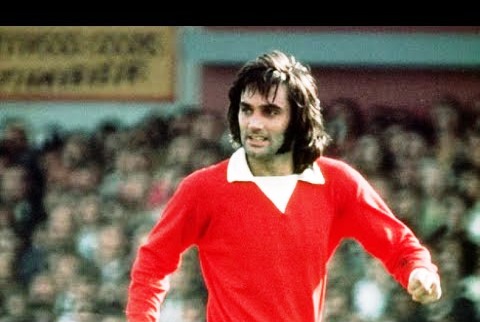


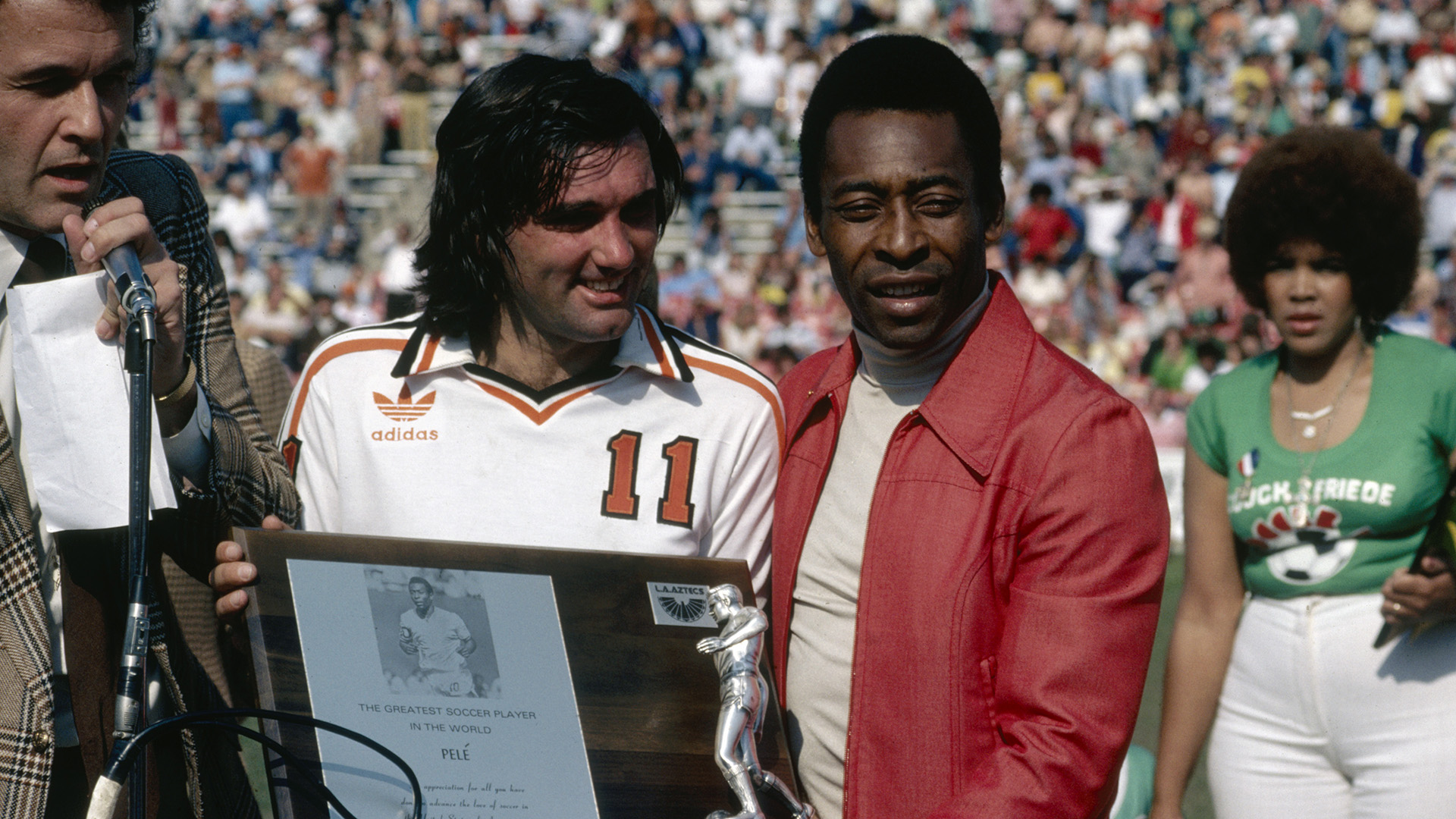


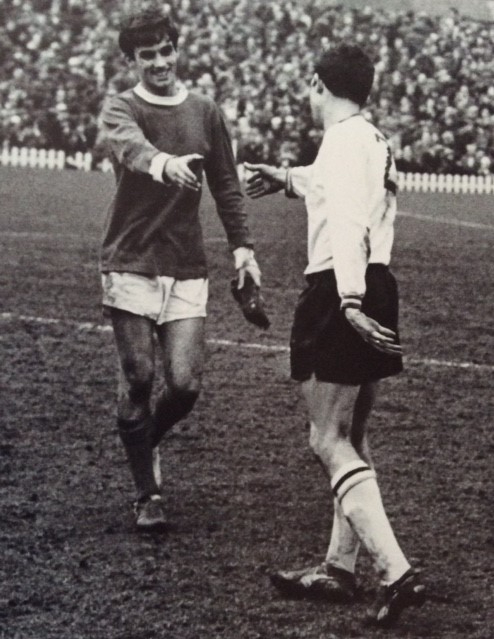




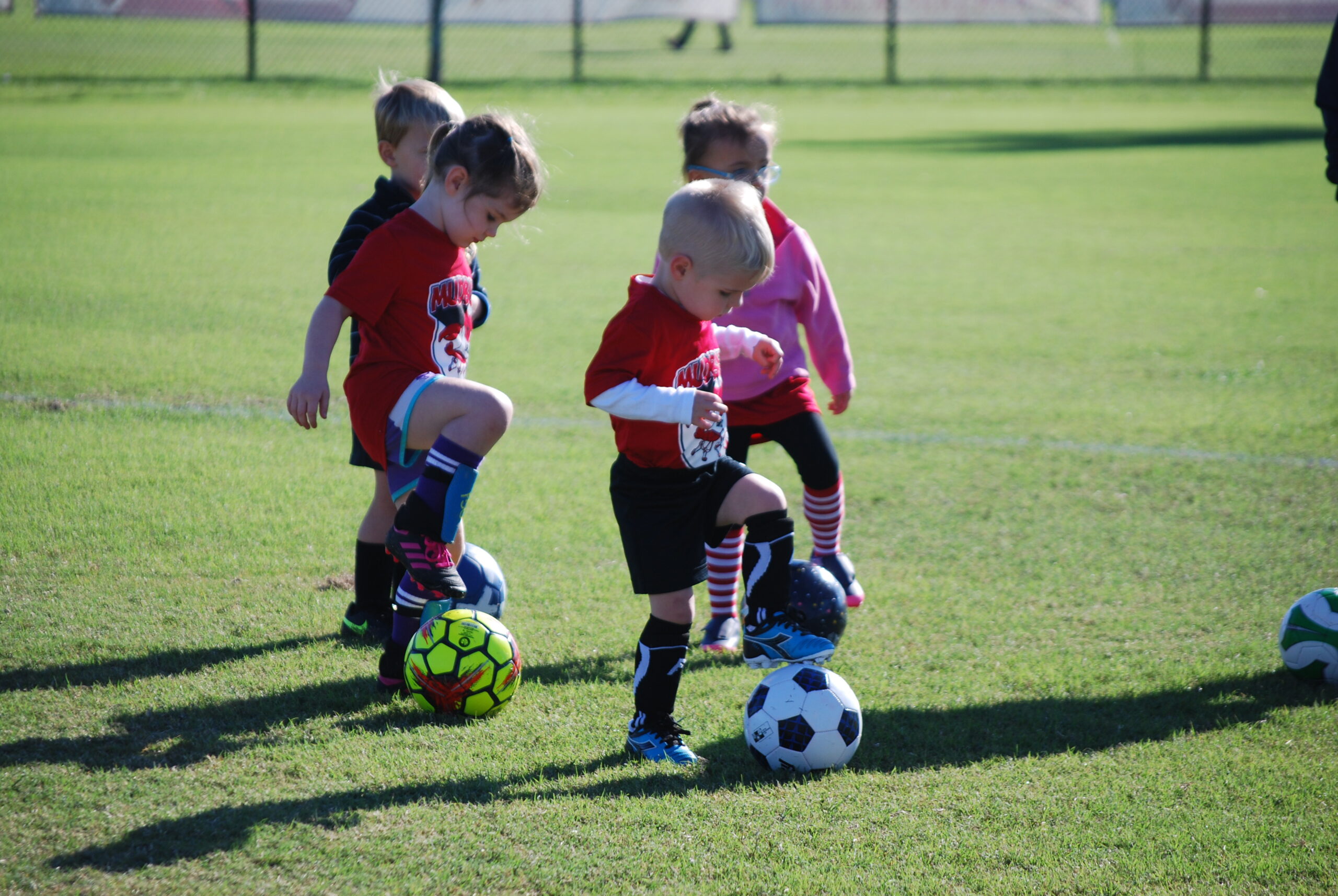
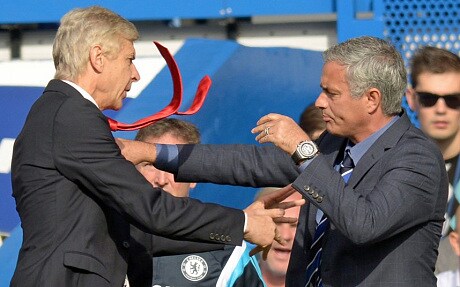


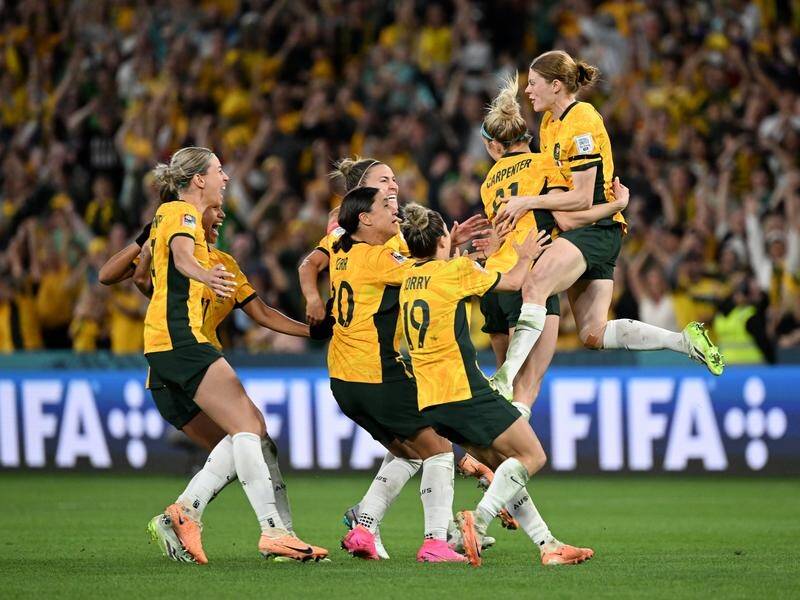
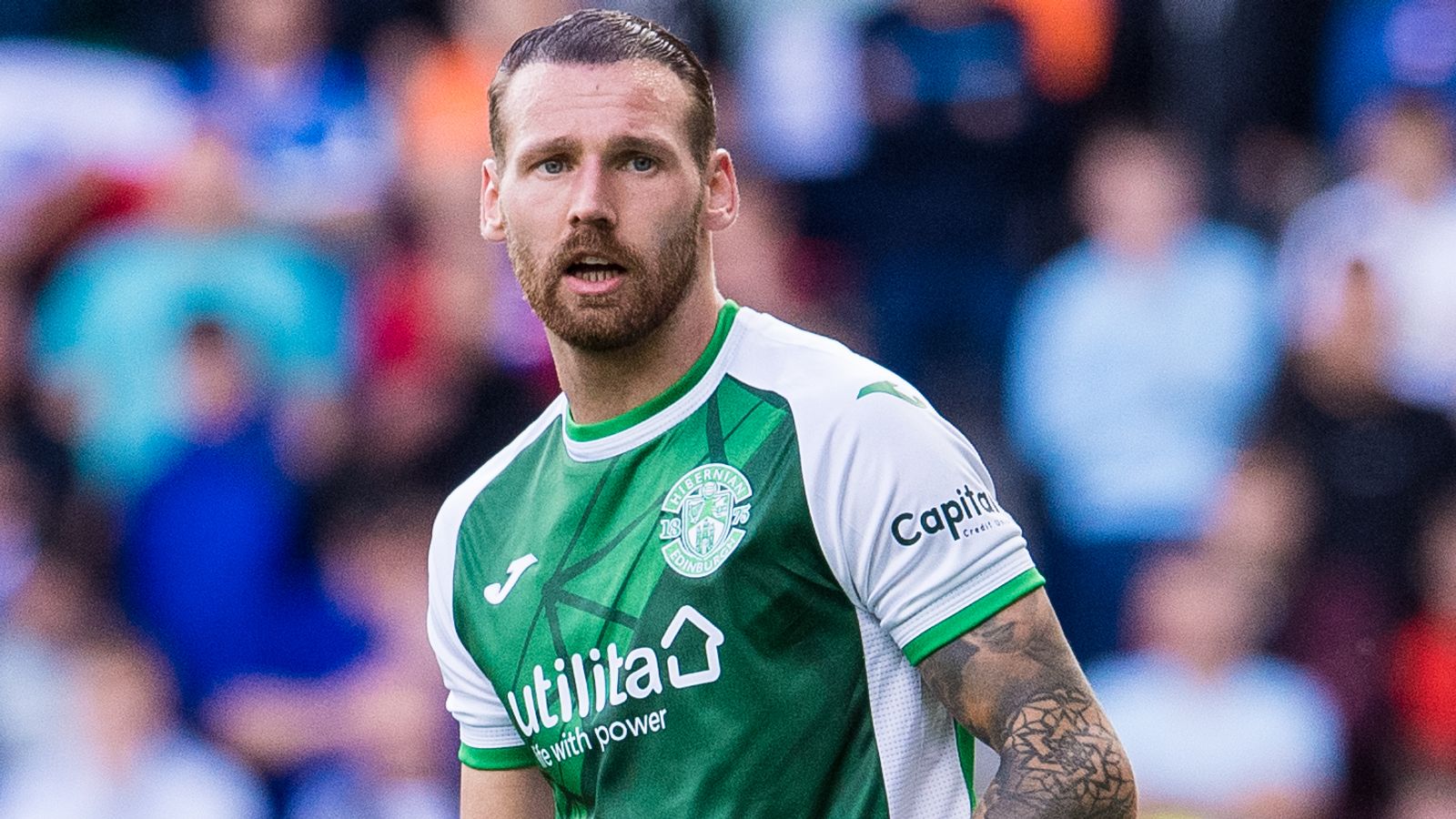


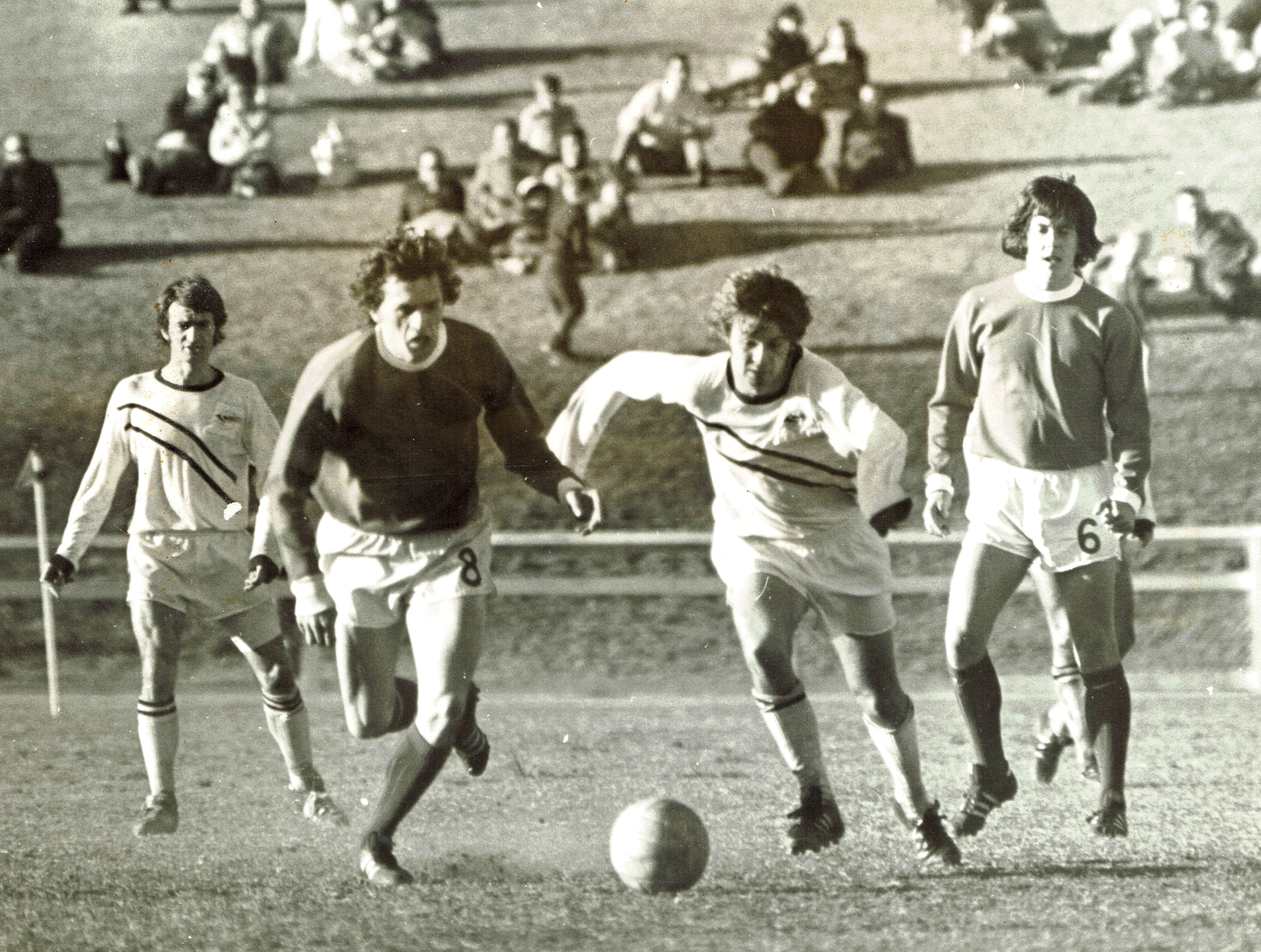

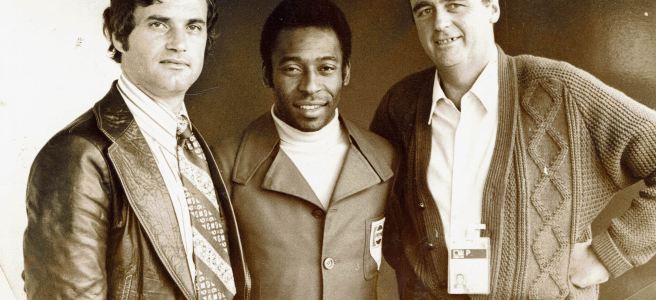

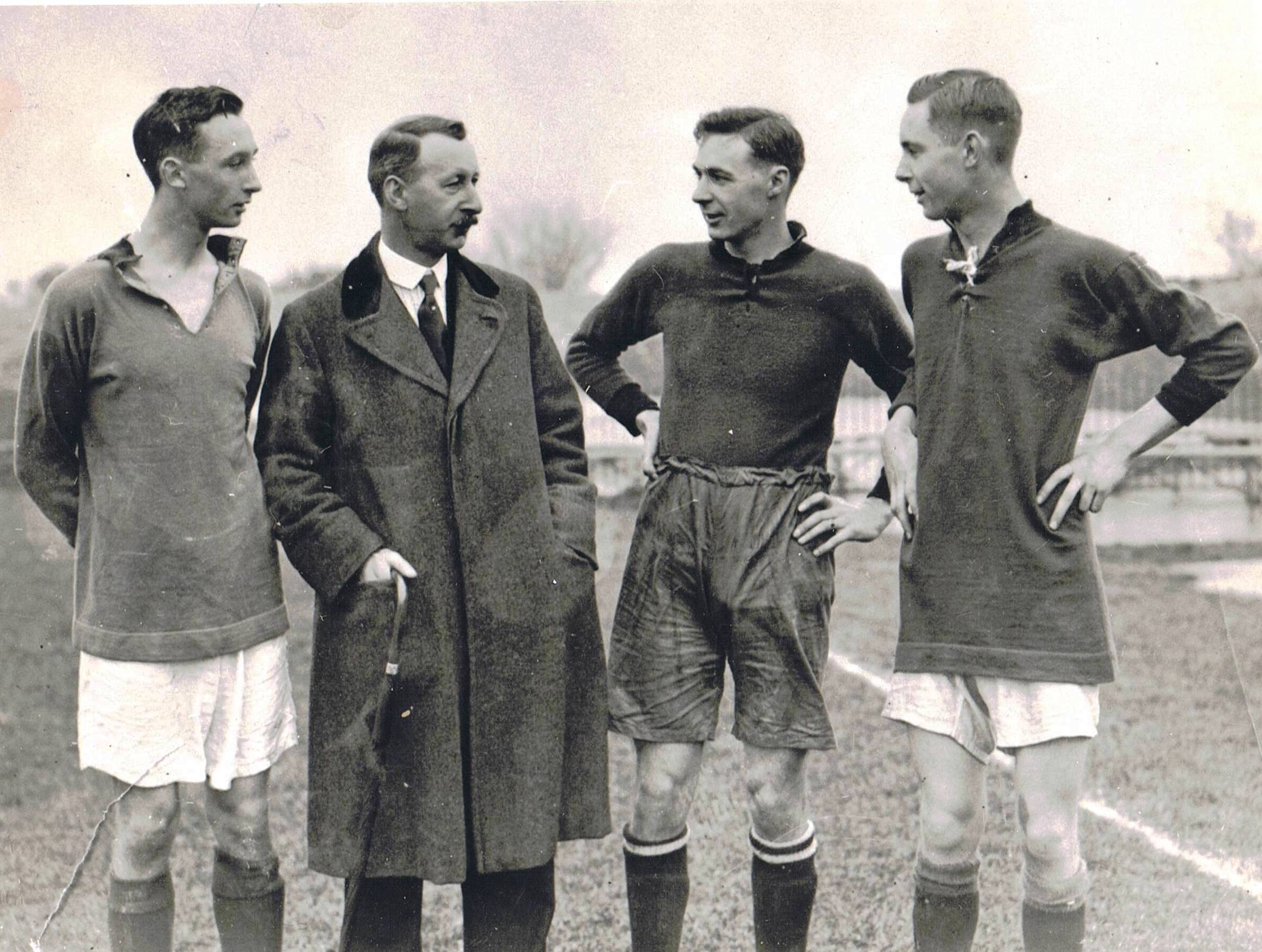
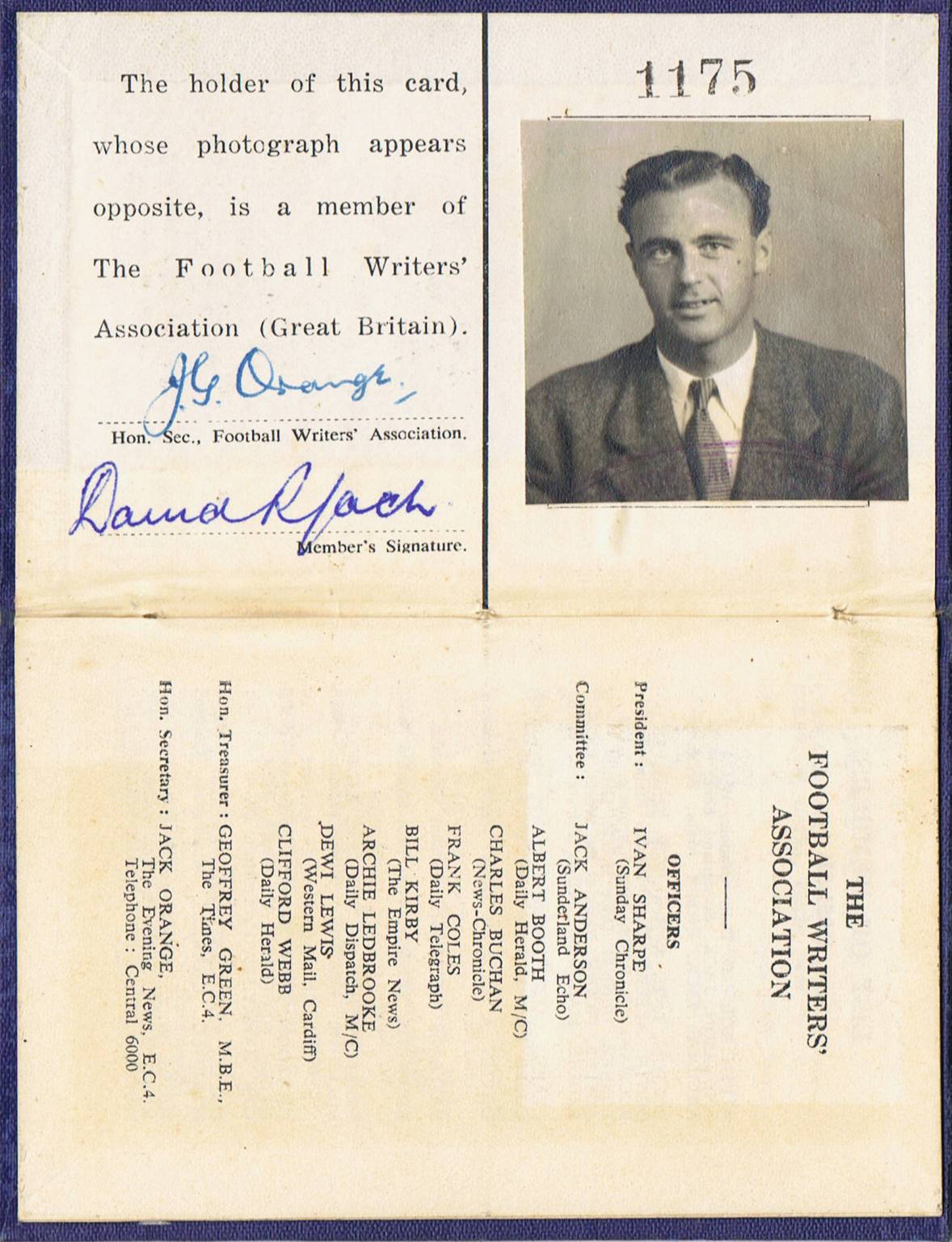

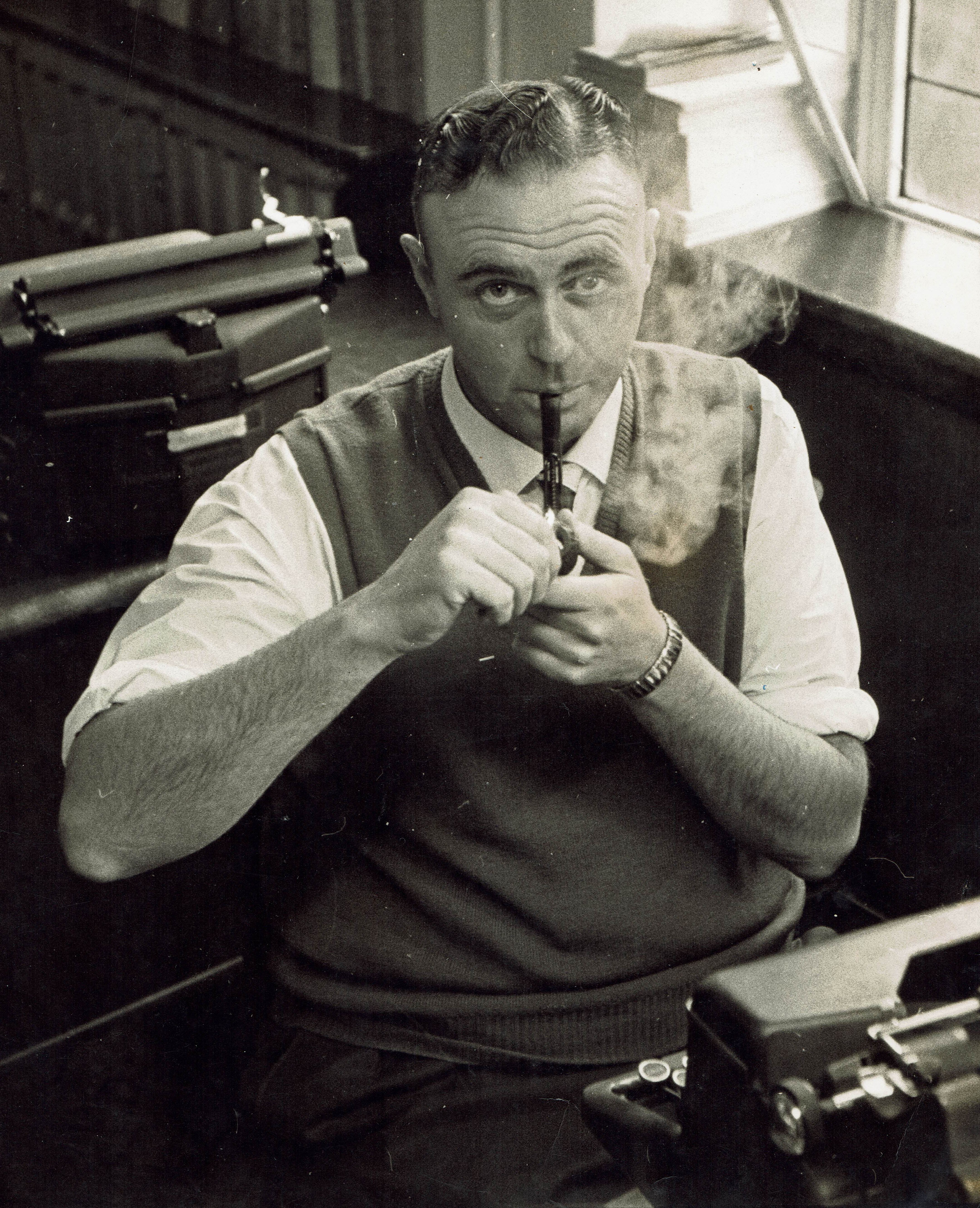

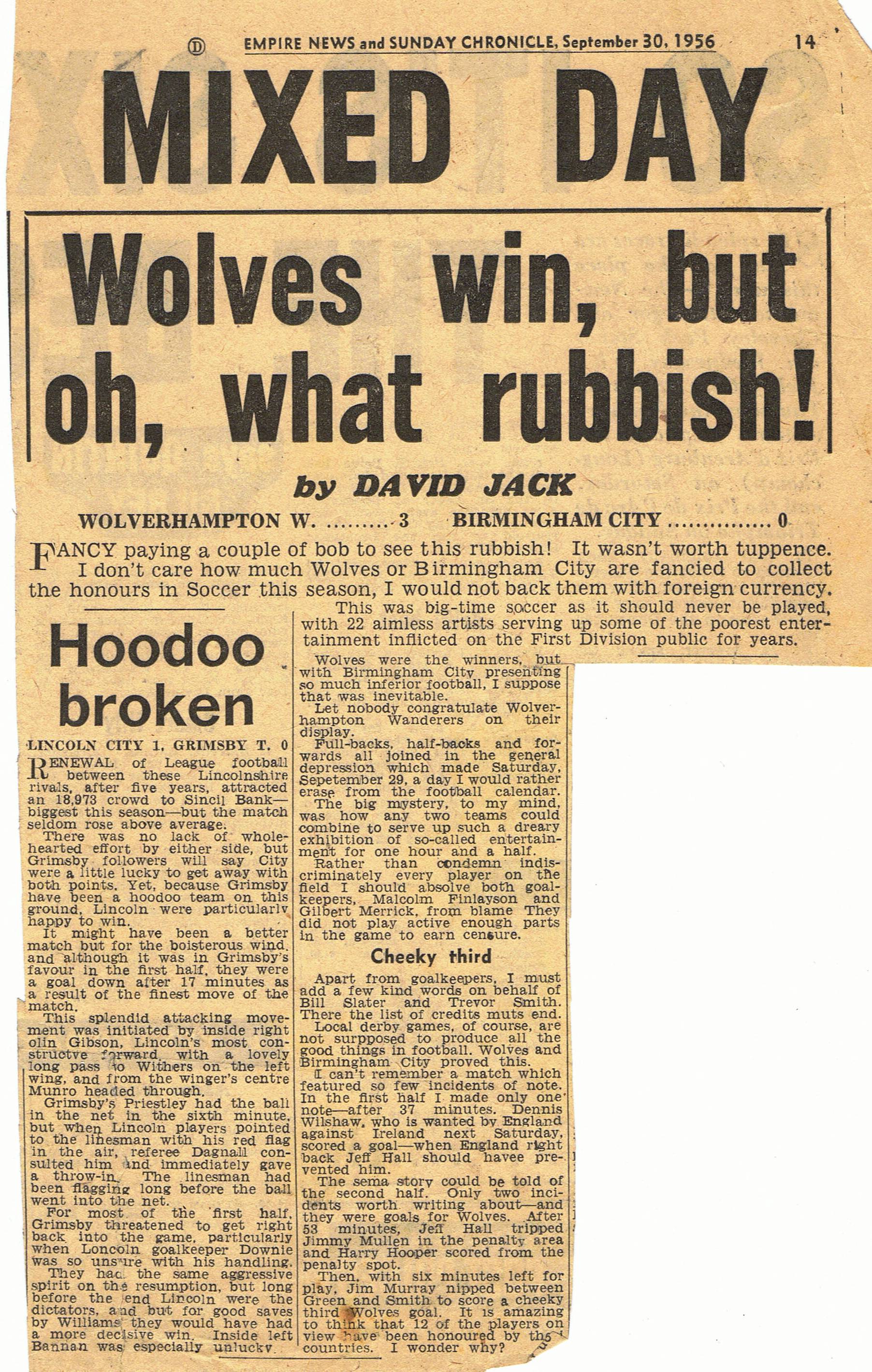
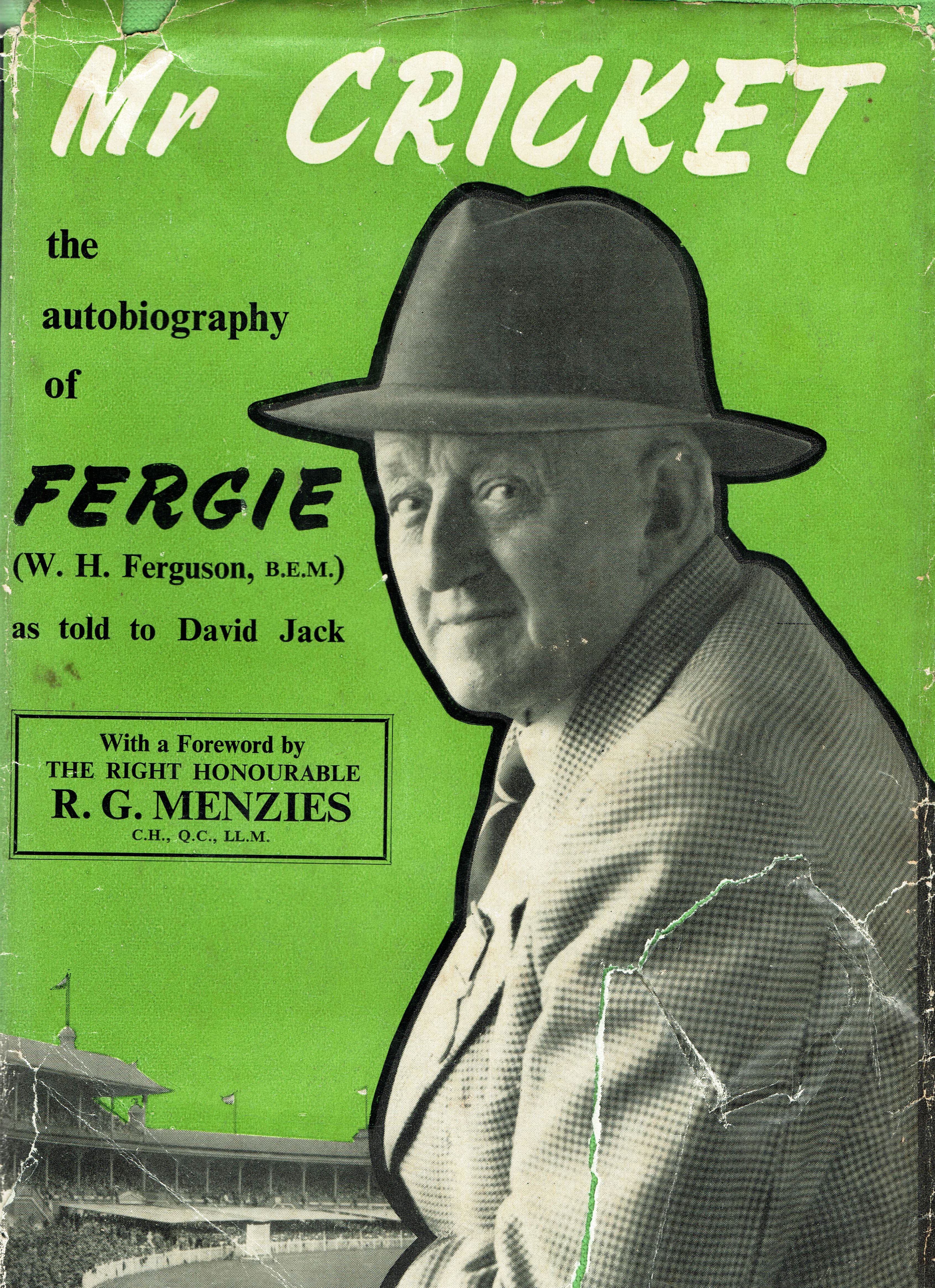


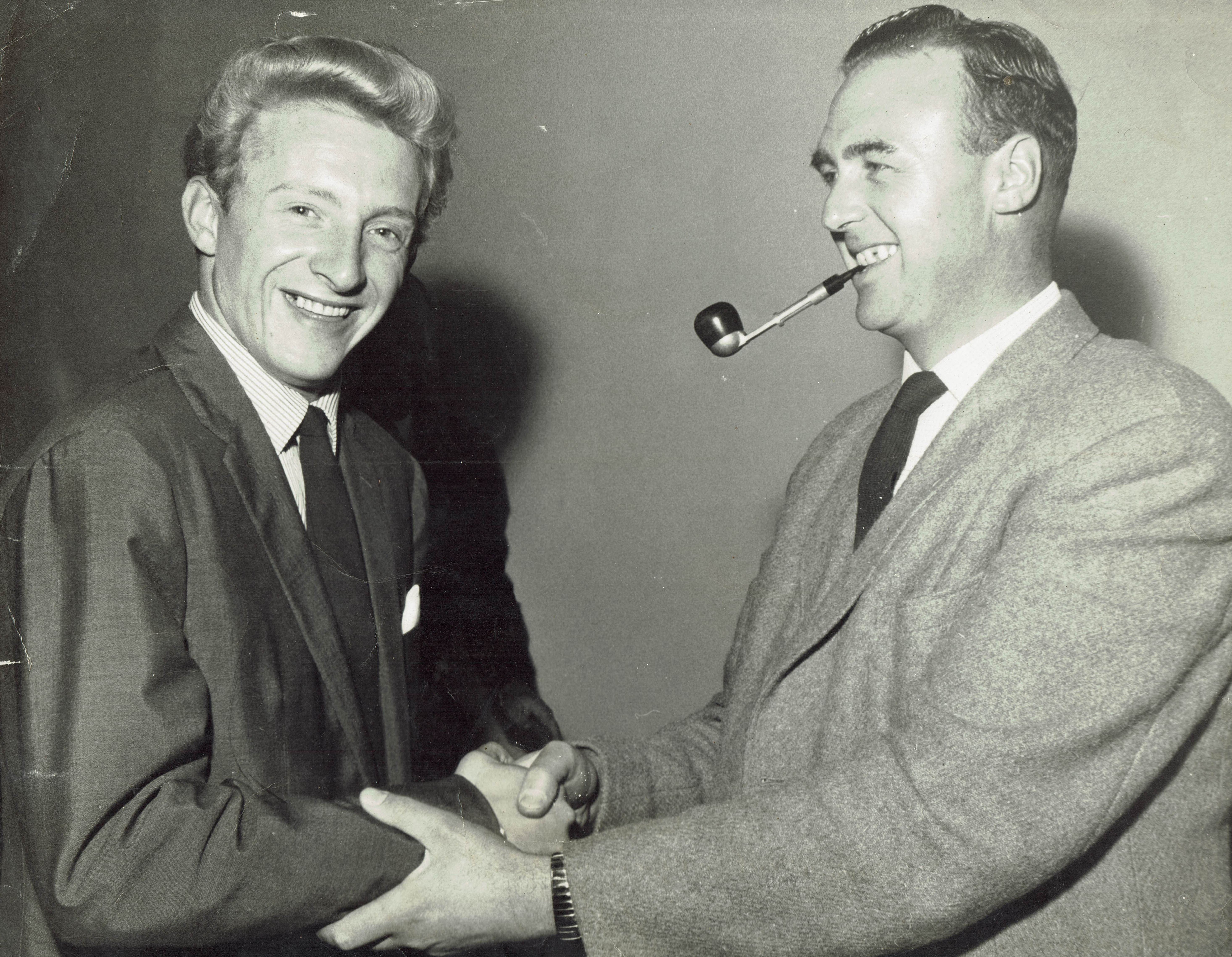


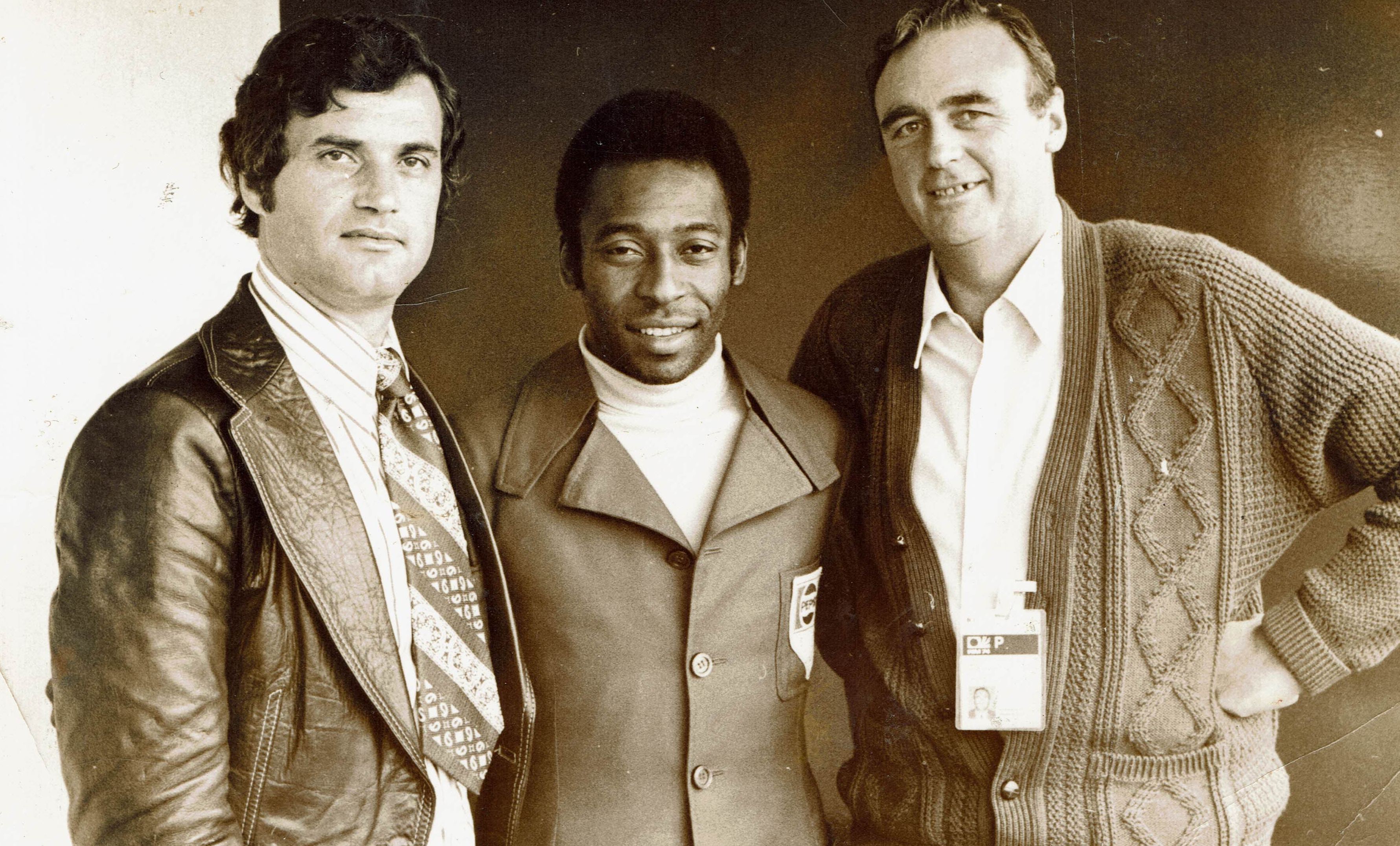
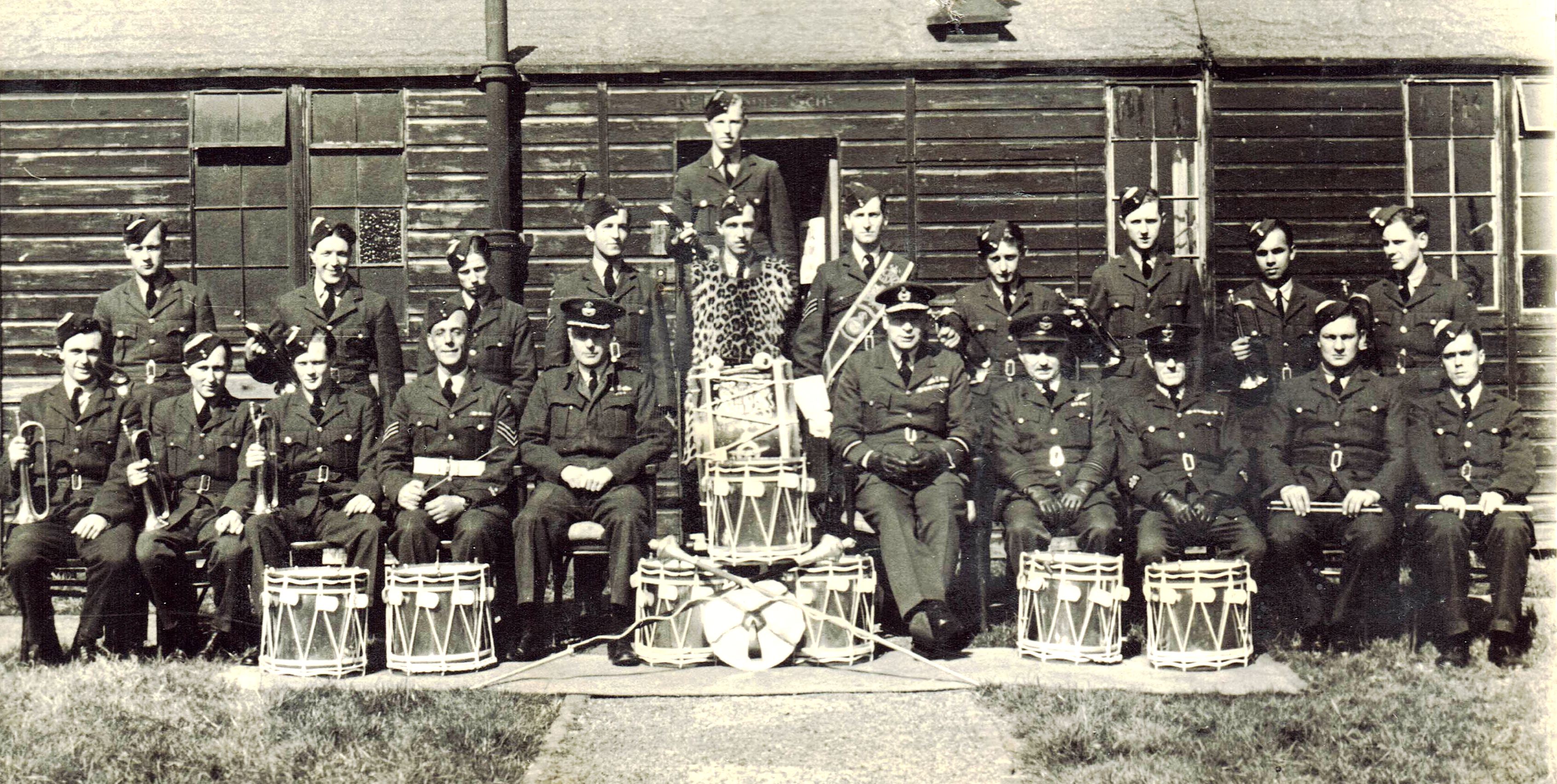

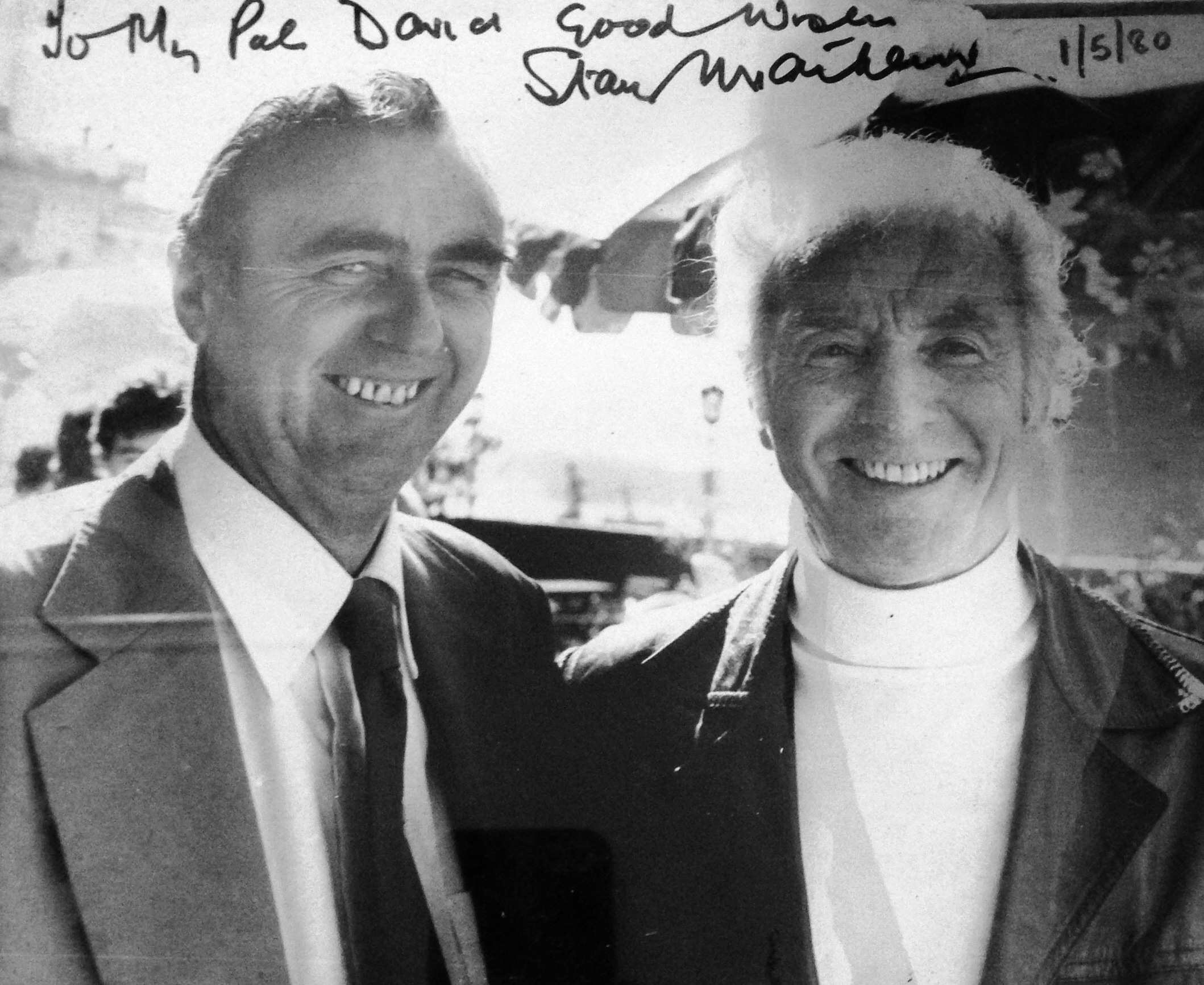
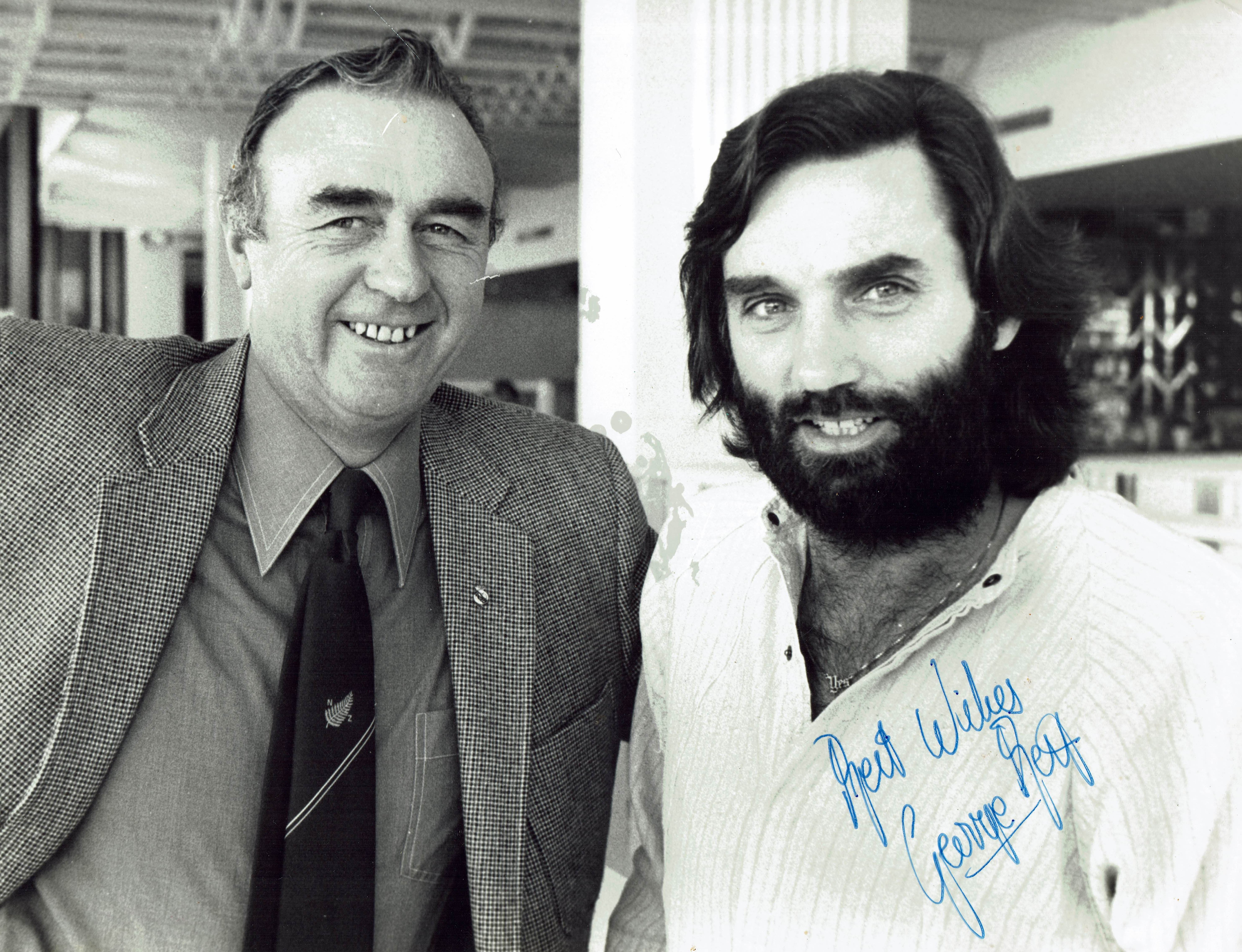
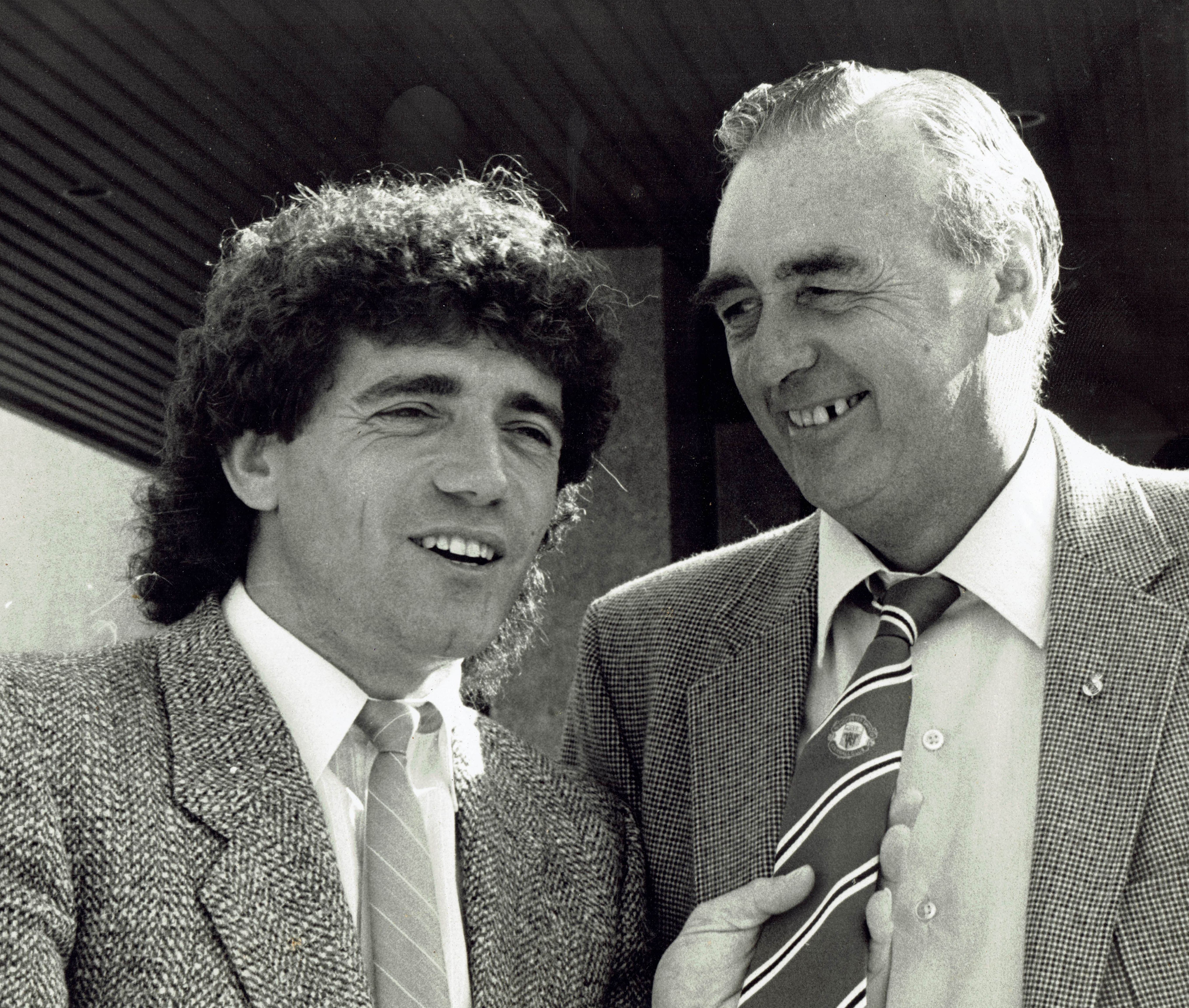


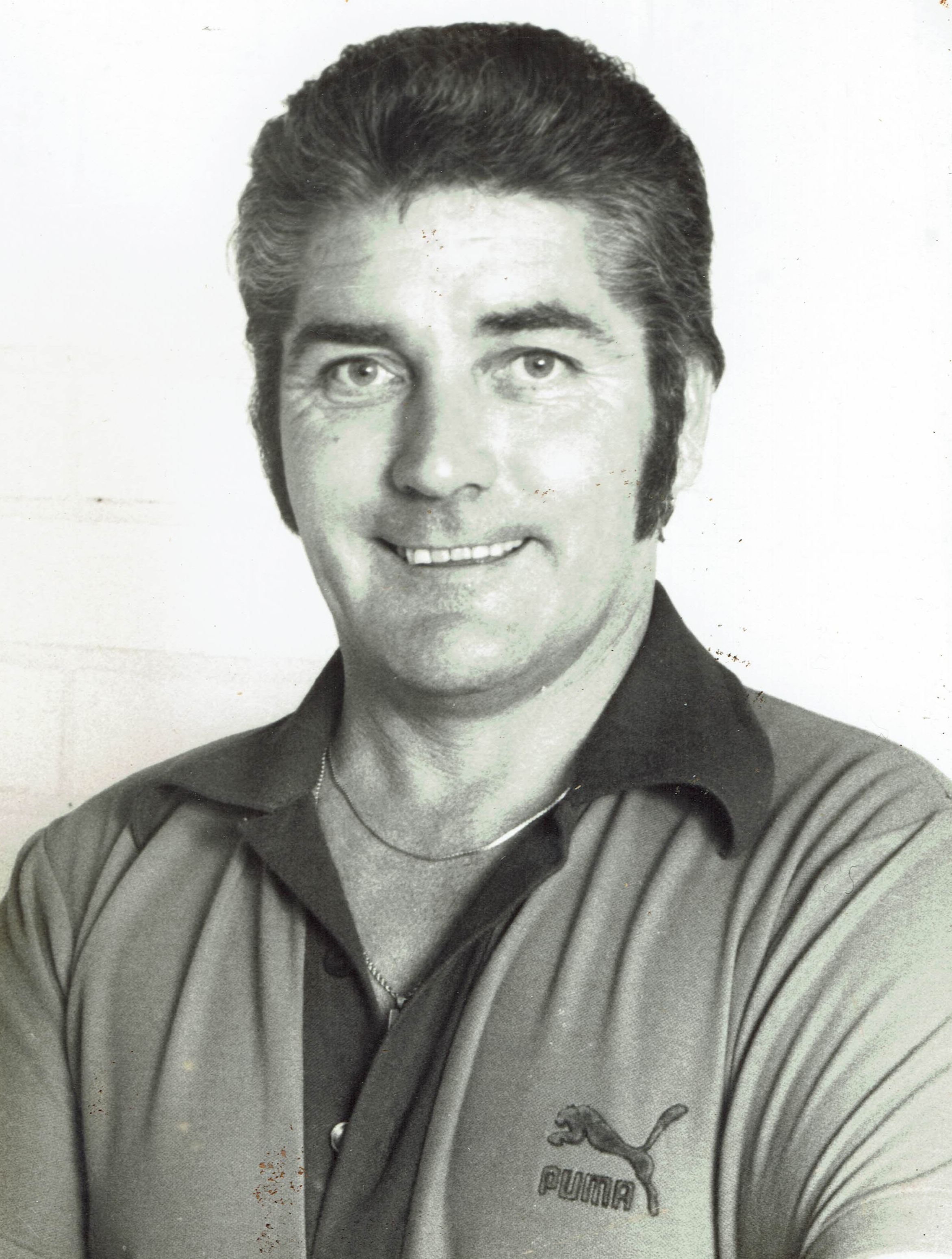

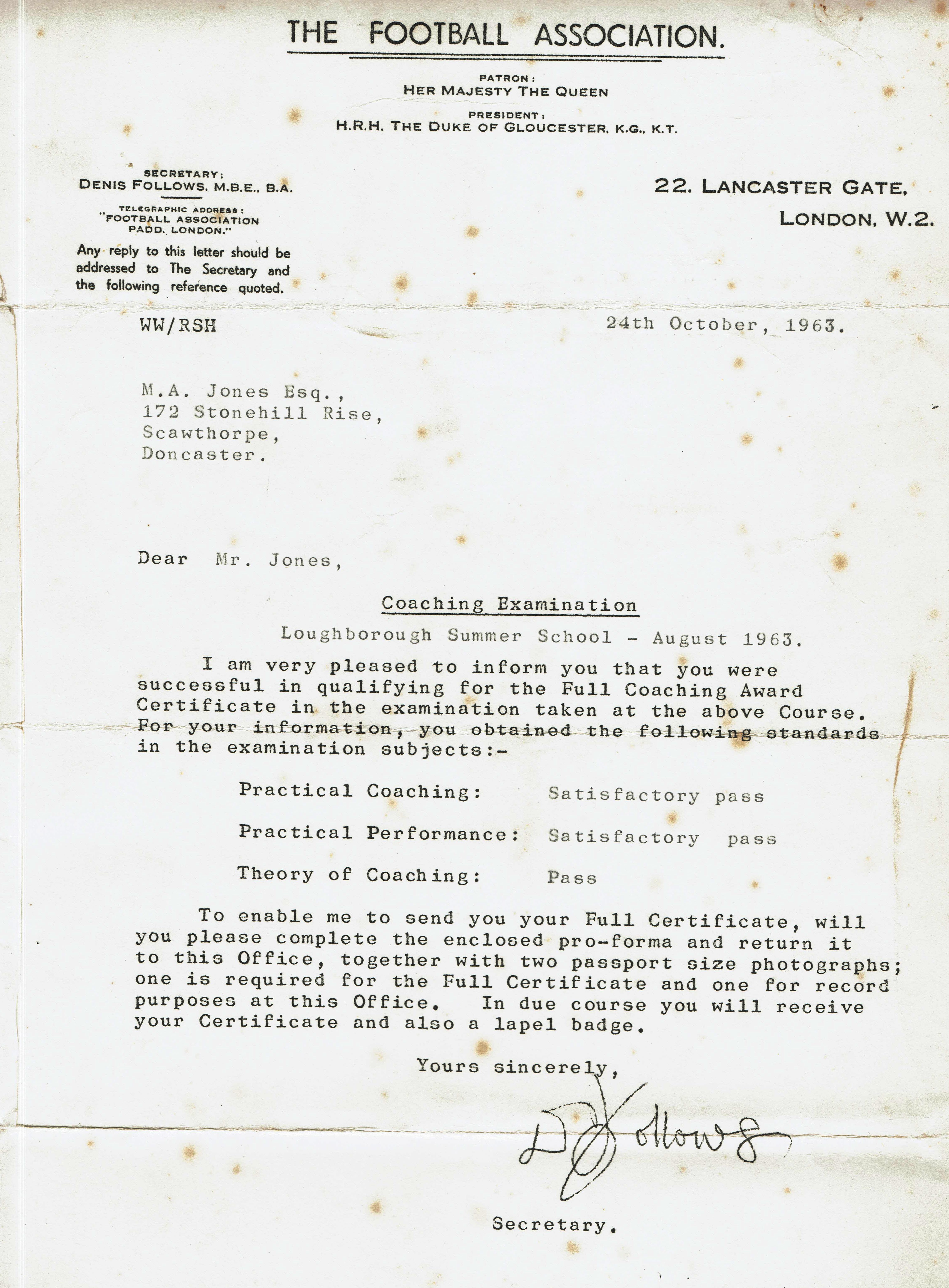
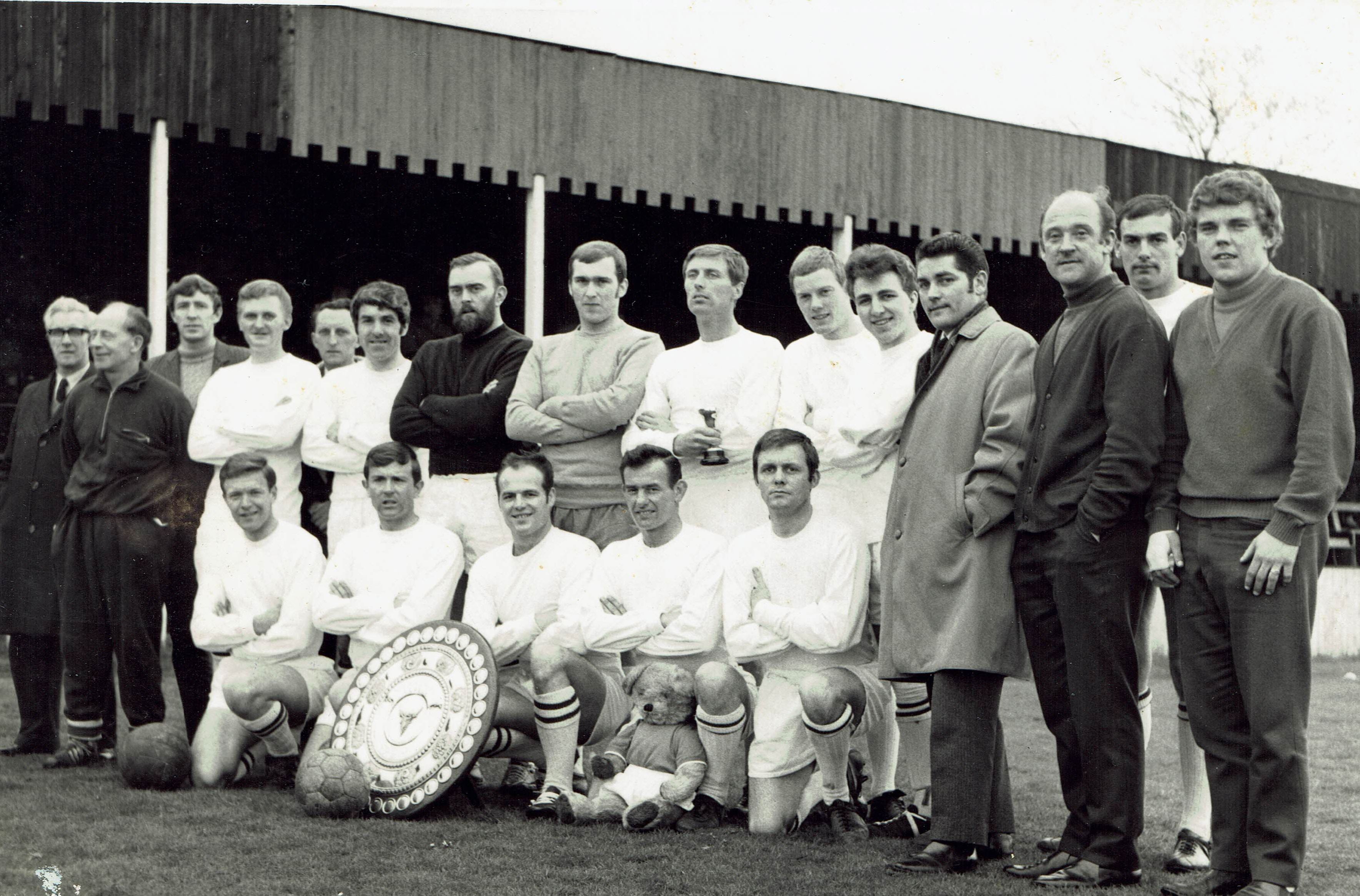
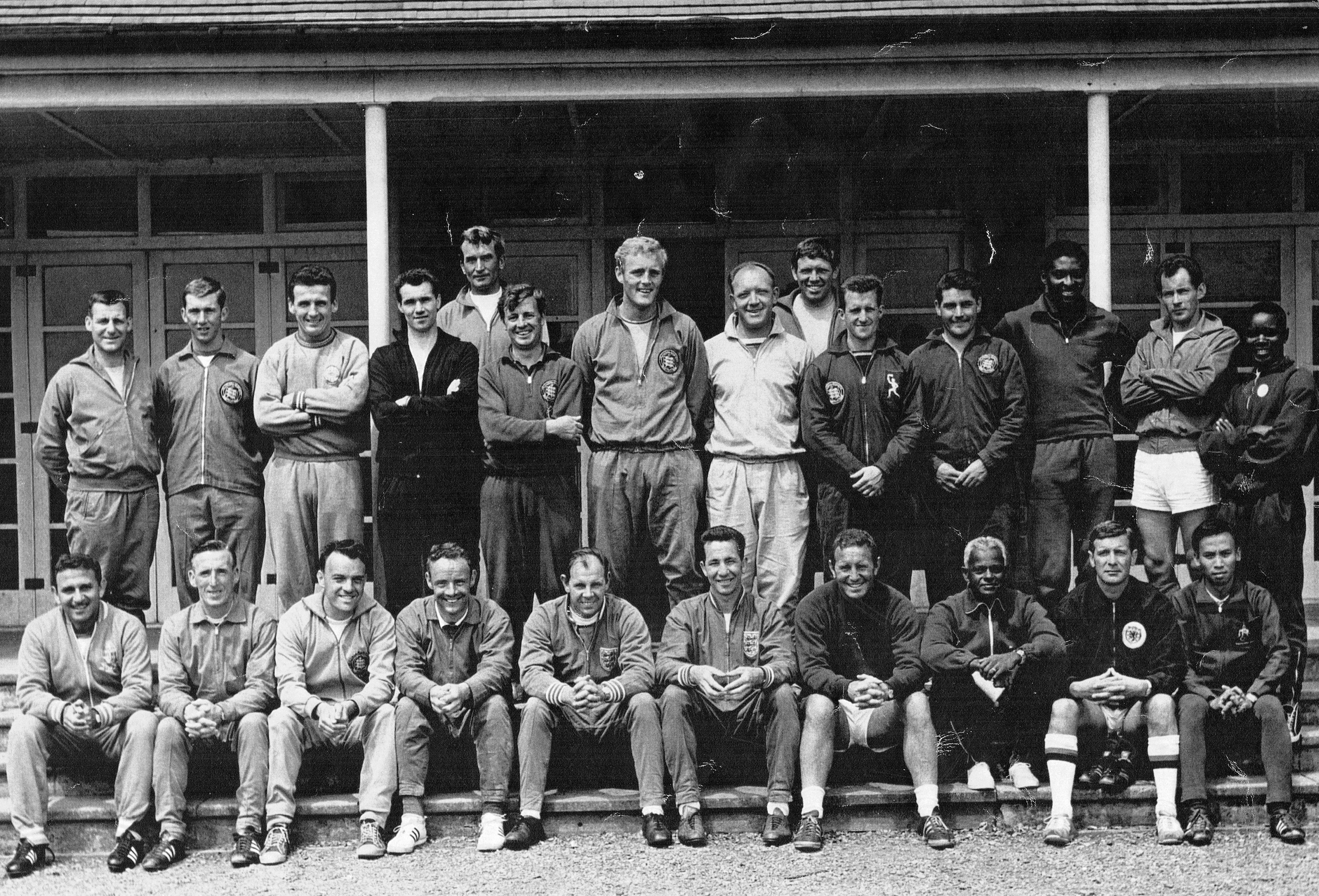

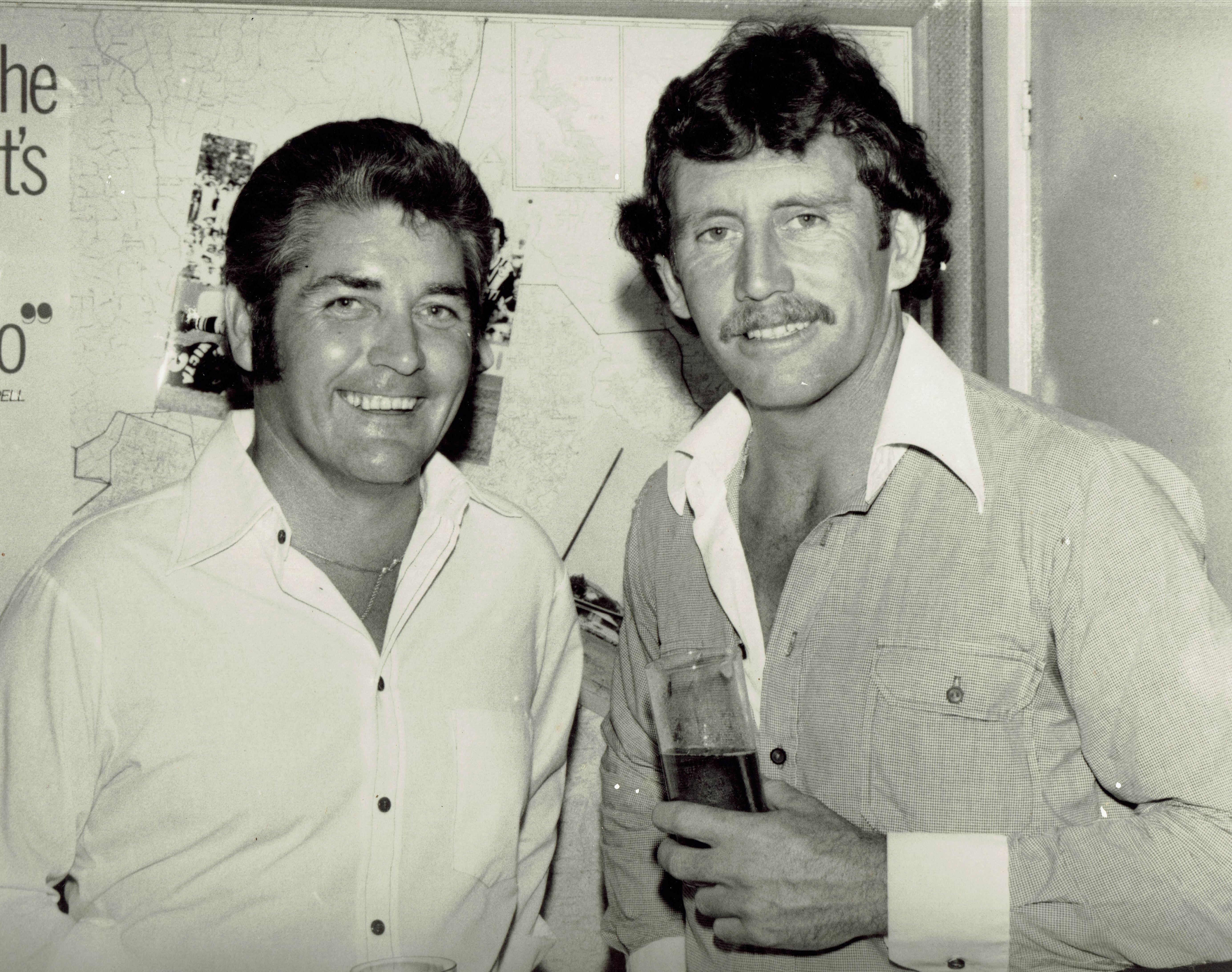


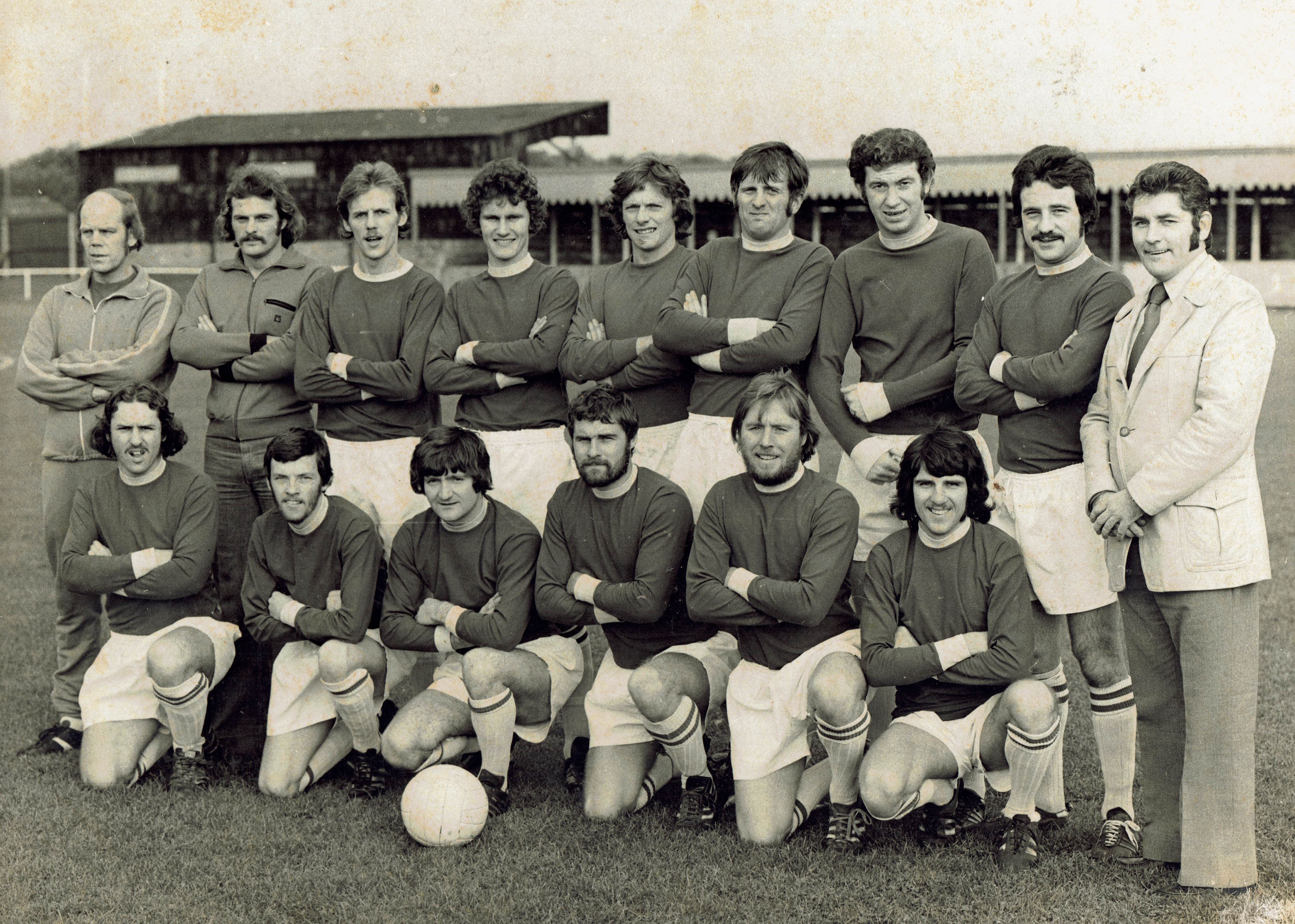
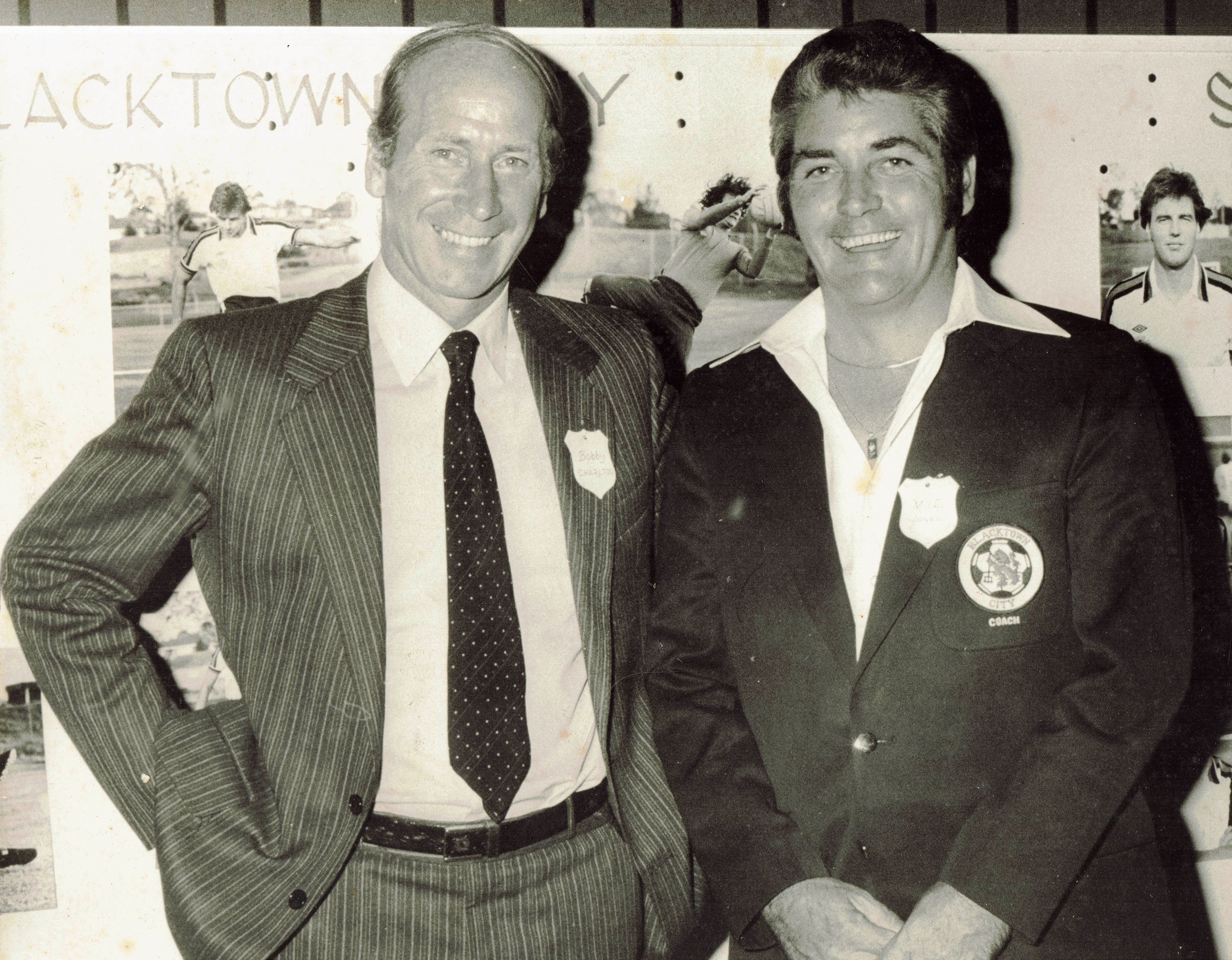


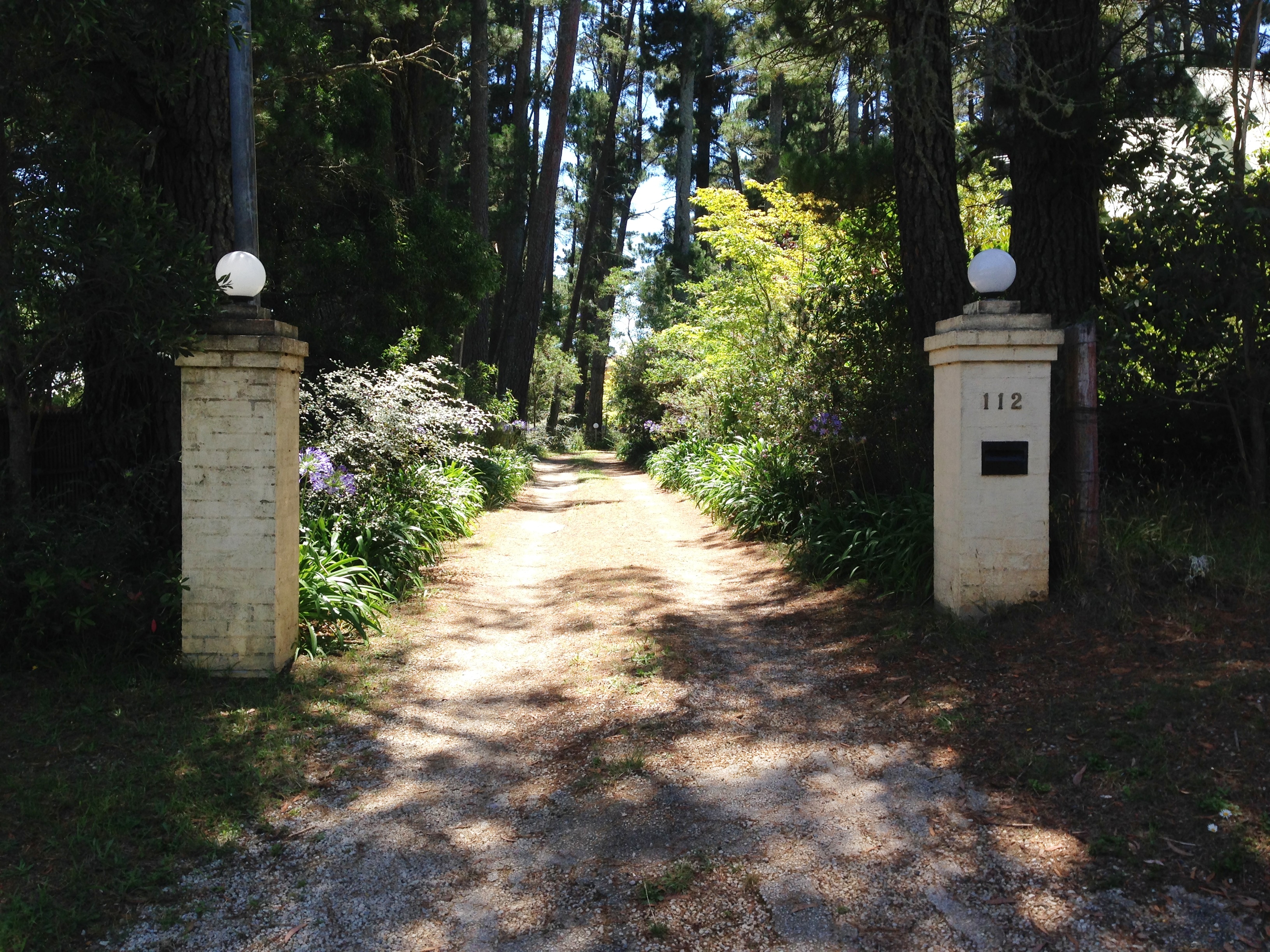


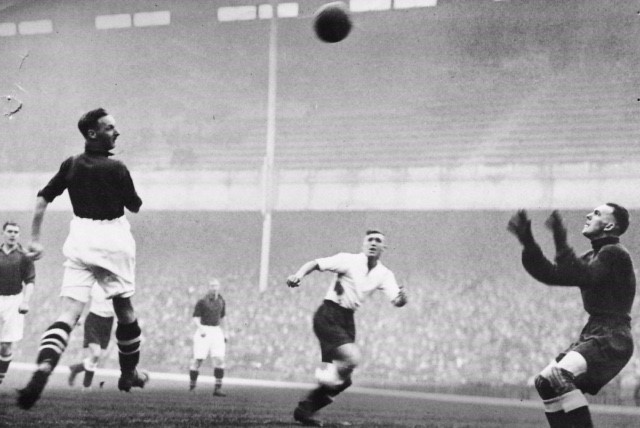


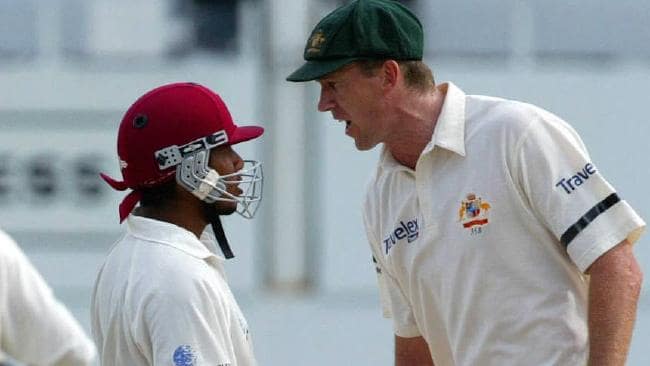


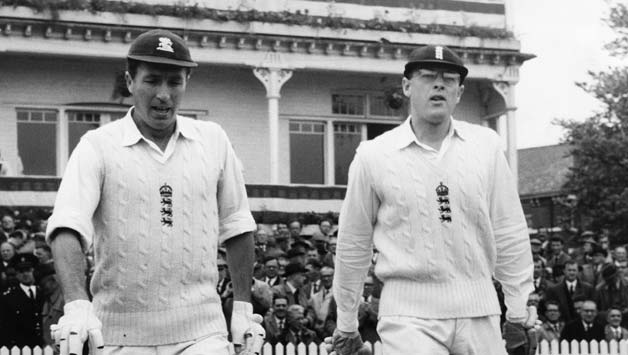

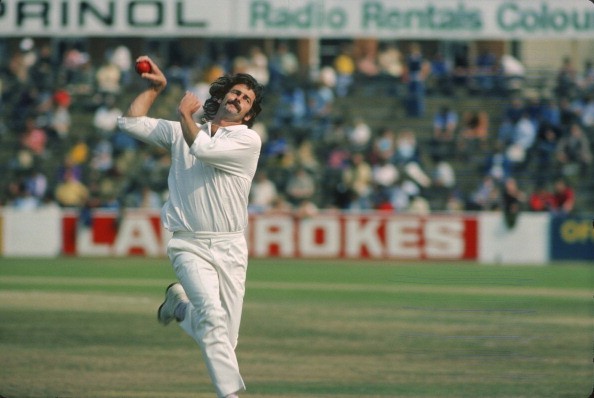

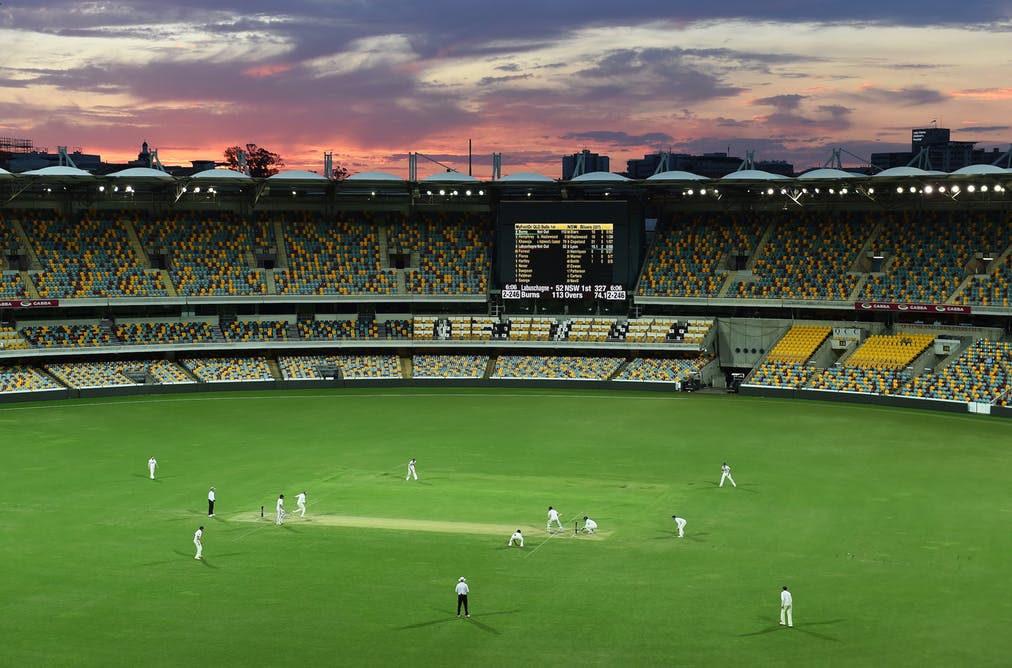






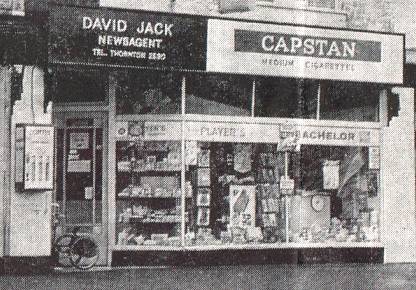

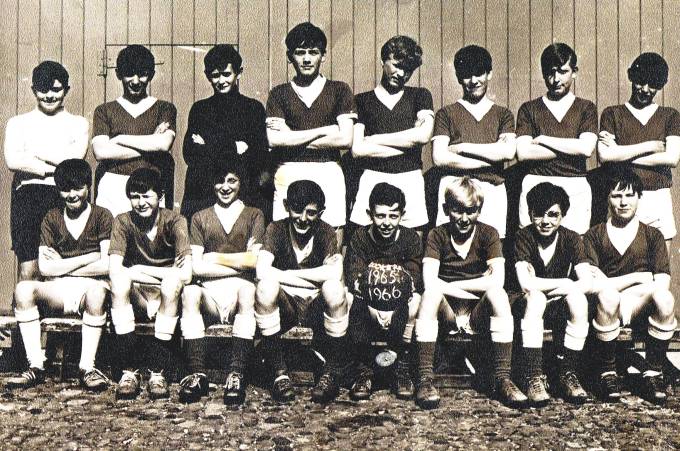




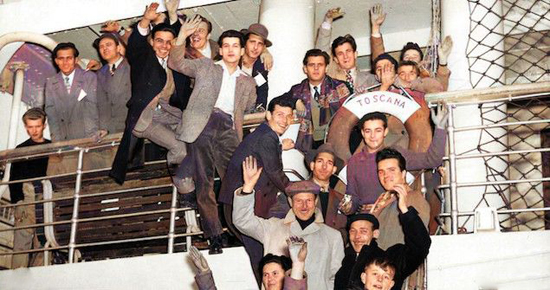


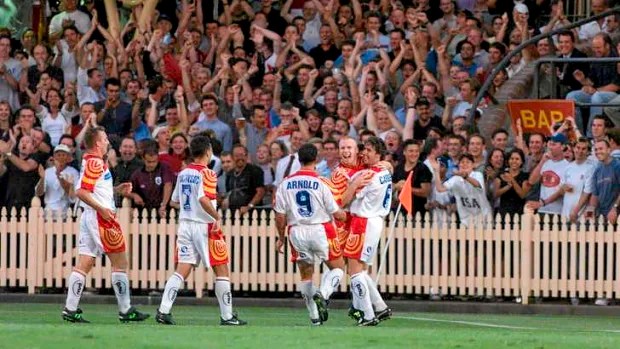



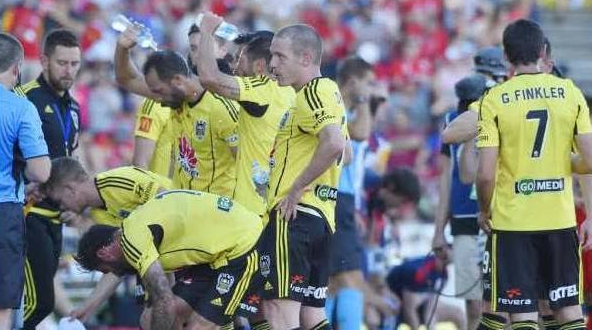


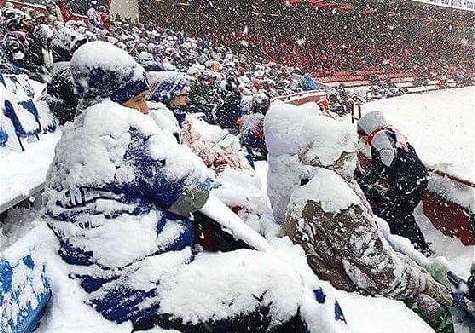


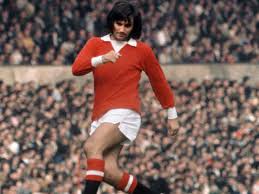
![George_Best[1]](https://djcjack.com/wp-content/uploads/2014/11/george_best1.jpg)
![GB%20Versus%20Chelsea[1]](https://djcjack.com/wp-content/uploads/2014/11/gb20versus20chelsea1.jpg)
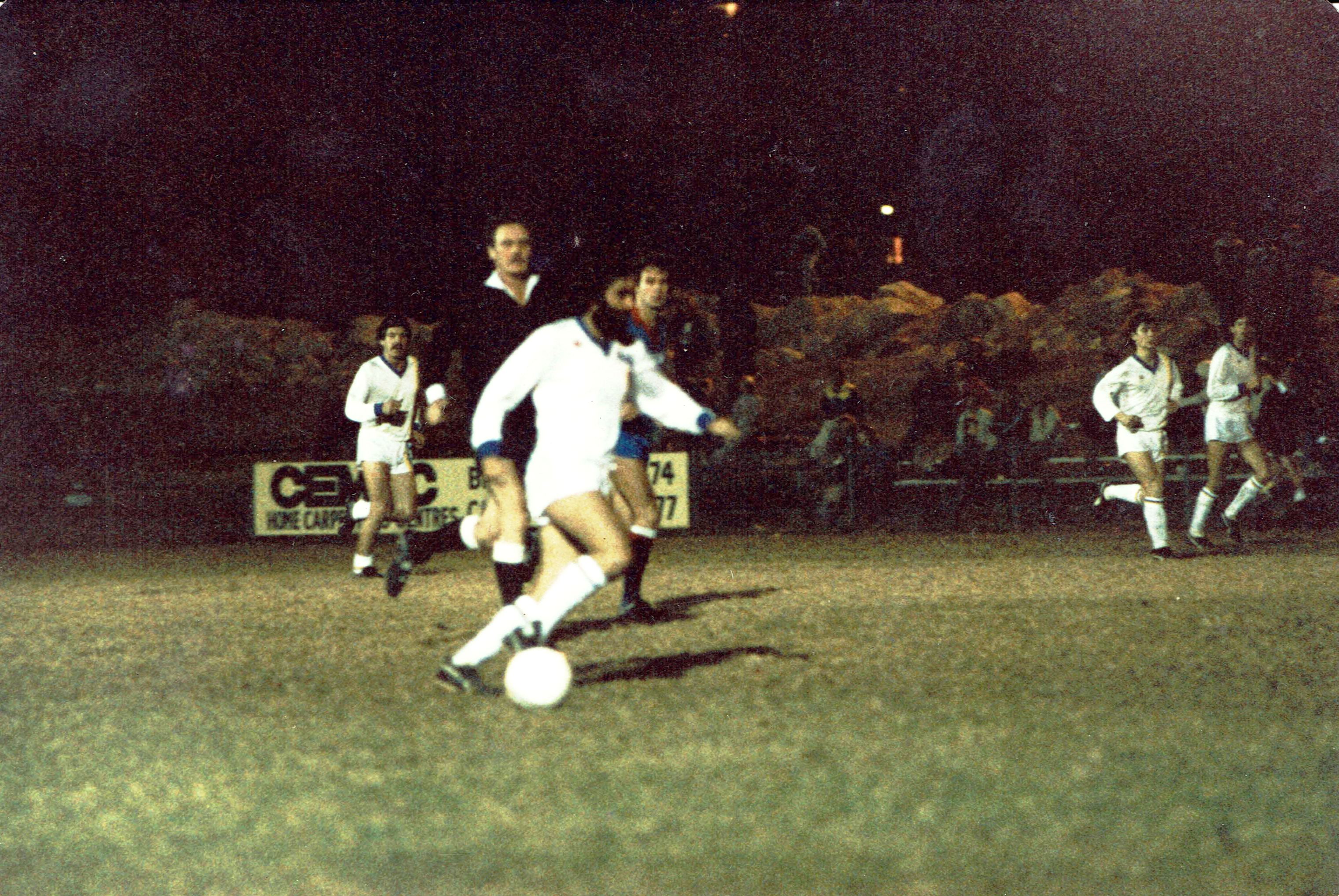
![item_4664[1]](https://djcjack.com/wp-content/uploads/2014/11/item_46641.jpg)


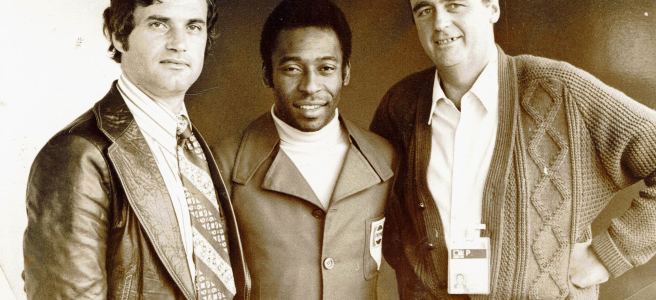





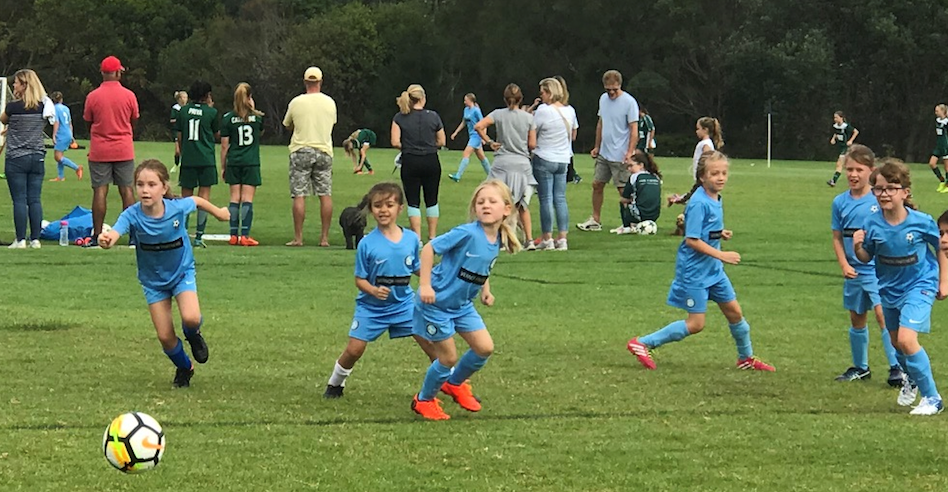

 David Jack