
My opinion on adult football coaching / managing and the inflated value of such, has been documented previously but the impact of a parent or a coach on the development of young footballers is in need of serious review. We have all witnessed frantic behaviour of parents and coaches on the sidelines of youth football but the “encouragement”, offered by parents and would be English Premier League managers (the team coach) is doing more harm than good to children.
Only last month at Fairfield in Sydney, five adults were charged by NSW Police for affray after a brawl broke out among parents during an Under 7 football match – Let that sink in, an Under 7 game. All parents whose children have played football have hoped that their Jenny or Johnny plays well and scores the winning goal but at times nothing other than confusion or distress can result from pearls of wisdom being screamed from the uneducated on the touchline. By “uneducated” this often extends to the team coach who may have been a parent who assumed the coaching role by default, when other parents shied away from the “opportunity”.

Recently, the Lancashire (UK) Football Association designated a “Silent Weekend” with almost 1,000 games played in total touchline silence. The coaches also had to respect the silence directive. “It was an incredible thing,” said Neil Yates, Lancashire County FA welfare officer, whose idea it was. “Gone were the sounds of adults screaming and shouting their advice from the touchline, like a bunch of baying sea lions. It was so refreshing”. The Lancashire Association initiative aims to change the rowdy environment of junior football matches so children have the ability to learn the sport, in a calm and more peaceful environment.
The parents’ responsibility should be to ensure that their children know where and when they are playing on any particular day. The parents then need to make sure that the children are awake in good time, have breakfast, transport is arranged and that the children arrive at the ground, with sufficient time to warm up. That’s it ! By all means, stay and watch the match but other than the occasional “come on Jenny” or “well done Johnny” parents and coaches should keep their mouths shut during the match. Any other comments are distracting, can cause stress for the children and most likely won’t improve their performance.

Thankfully, the existence of competitions for the younger players has been curtailed in recent years, which is a good move helping to modify and improve the behaviour of parents, coaches and players alike. Yes, competitions can allow the young players to bask in the temporary success of winning a medal, but winning a Grand Final does not improve the ability of a young footballer nor their sportsmanship. Certainly, the coach will enjoy adding a string to his bow and the parents can tell all their friends at the next dinner party, but winning medals and trophies is not important in the development of young footballers.
The responsibility of the coach of a young team is to advise the players which position that they should be playing in and in what part of the field they should spend most of their time. The coach must avoid trying to be an expert on the game. Not contribute clichéd coaching expressions such as “keep your shape” “no fouls” (children don’t foul) and don’t tell the six year old that you want him to play as a “6” or an “8” or worse still, as a “number 10 in the hole”. A six year old is not familiar with coaching jargon and will be confused. Explain the child’s position and what you expect from her / him, in plain language.

I know of examples of coaches sending pages of What’s App messages to 12 year old girls with non sensical information and instructions, well beyond the call of their responsibility as a coach of young footballers. I have heard of coaches wanting young players (and therefore parents) arriving an hour before the scheduled kick off. Young players must enjoy their football experience and such requests and behaviours by the coach do not enhance the player’s match day enjoyment.
The coach must also guarantee that every player receives an even amount of game time. Even if the coach has a potential young Harry Kane or Sam Kerr in their Under 9 side, they should guarantee that young Harry or young Sam spends equal time on the substitute’s bench and if the team does not have a regular goalkeeper, make sure that the goalkeeping load is also shared by all. No favouritism.
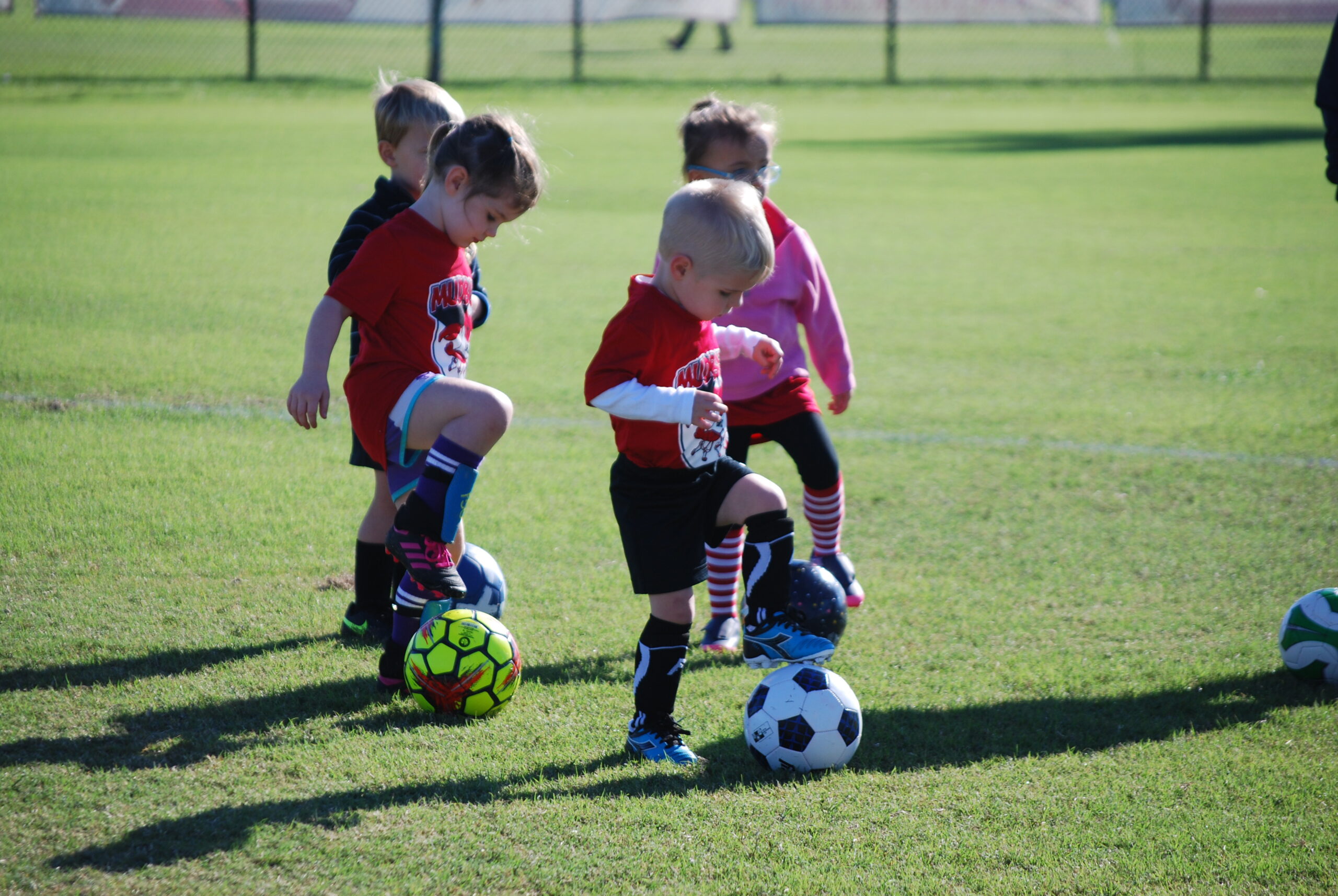
Australia is not known for having a football culture. Our busy urban environments are not conducive to playing street football and it is no longer safe to play at the park until dark, as I could as a boy. Consequently, young footballers won’t develop their ability naturally and a degree of skills coaching is necessary. The coach of young players should be able to demonstrate the basic skills – passing, trapping, shooting, heading and tackling. A coach should not try to implement systems and tactics for children, at least until they are well into their teens. This would distract them from developing any inherent football ability. As the legendary Liverpool F.C. manager Bill Shankly famously once said, “football is a simple game made complicated by those who should know better.”
Practising the basic skills will provide young Jenny with the ability to competently play the game. At training once these skills have been rehearsed, the coach should allow the team to play as much football as time will allow. On the pitch is the only place that budding footballers will master and improve their ability. This won’t be achieved by running an inordinate number of laps or performing one hundred push ups. The old saying, “necessity is the mother of invention” rings true on the football pitch and this will ensure that young players will develop the ability to dribble past an opponent or improve on all the skills required, without persistent instruction from a coach.
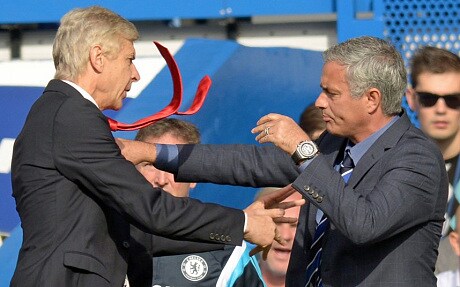
The sight of egotistical professional coaches and managers roaming their technical area, bellowing instructions to full time professional footballers is absurd to me. Don’t the players train most days of the week? The players are quite possibly far better exponents of the game than the coach / manager may ever have been. Similarly, the coach of a young team does not need to shout instructions to the team, as it will only confuse and distract them from their game.
If a young footballer is to progress and possibly reach the professional ranks, they need nurturing and encouragement, not ill advised instruction from the touchline brigade. A parent or a coach can assist in the development of a footballer but it is essential that their over zealous actions and words on the sideline don’t hinder the progress of the child. Keep the mouths shut and just let them play.
David Jack © 2025

 David Jack