Full time blows for Football Australia Chief Executive James Johnsonand Subway Australia (pic. J Field )
To say that the Gods have not looked kindly upon Australian football over the last 12 months, would be a gross understatement. The Olyroos failed to qualify for the 2024 Olympic Games and the Socceroos early underwhelming World Cup qualifying performances precipitated the resignation of coach Graham Arnold. Currently, direct qualification for the 2026 World Cup is still in the balance.
The Australian “Golden Girls” in happier times (pic. Nine Sports)
The Matildas remain without a permanent coach but continue to attract good crowds for local fixtures. Injuries however to skipper Sam Kerr and now Mary Fowler have dimmed the glow of Australia’s favourite female sporting team. At club level, the Hyundai Ute men’s A – League has staggered from one crisis to another. These included the speedy exit of former CEO Danny Townsend in October 2023, the Macarthur Bulls yellow card betting scandal and the grand final location fiasco. Last week, Football Australia’s Chief Executive, James Johnson announced his resignation and Subway Australia have declared that in September this year, they will not be renewing their substantial sponsorship and naming rights of Australian football’s junior and senior national teams. To cap off the financial woes of Football Australia, the ruling body will shortly report an $8.5m loss for the 2023-24 financial year, a loss exacerbated by a provision of $4.1m for the unlikely recovery of a loan to the Australian Professional Leagues (“APL”).
The Australian Professional Leagues owns and administers the men’s and women’s premier leagues and is on a road to nowhere. Financially embarrassed, despite the great “unbundling” of 2019-2020 that then APL chairman Paul Lederer described as “an historic moment for the future of football in Australia”, the Isuzu Ute A – League is teetering on the edge of obscurity.
A meaningless, end of season A – League match played in front of a mediocre crowd at Suncorp (pic – BP Football)
When interest and excitement should be growing during the final weeks of the competition, we see crowds petering out – eighteen hundred spectators at a 55,000 capacity Suncorp Stadium to watch Brisbane Roar play Adelaide United and not many more at AAMI Park for Melbourne City v Adelaide United, both top six placed clubs. The inclusion and success of Auckland FC this year may have boosted overall attendances marginally, but whether New Zealand clubs Auckland and Wellington are advantageous long term for the Australian men’s premier competition, is debatable.
Meanwhile, the possible white knight for club football in the form of a National Second Division, now to be known as TheAustralian Championship, has been diluted and delayed. This competition, described by the departing James Johnson as “a bold leap forward for the sport” will now commence in October this year. Instead however of being an exciting coming together of ethnic based “foundation clubs” playing a full season of home and away matches, it appears to be nothing more than a sixteen team round robin competition extending just eight weeks, with other NPL clubs making up the numbers.
“Foundation Club” APIA defeat A – League Melbourne Victory in 2018
Inviting eight foundation clubs to this competition is just a means to appease the growing discontent of those clubs with a rich football history and to paper over the divide that has seen these clubs locked out of the premier football competition in Australia for over 20 years. The proposed Australian Championship is not a satisfactory substitute for a national second tier of club football. What happens next? Another eight week “championship” in 2026?
Where is the commitment for a full season, national second division (in winter would be nice) with promotion and relegation? A competition where clubs from all over the country can strive one day to replicate the exploits of Welsh club Wrexham. The Welsh side have just gained promotion in the United Kingdom for the third successive season and are now knocking on the door of English Premier League football. Why can’t South Melbourne, APIA Leichhardt, Adelaide City or Marconi have a similar dream to that of Wrexham? Why can’t the elation that the Wrexham fans experienced, be mirrored in Australian club football?
Wrexham players celebrate another promotion with their fans
It all seems too hard for Football Australia who seem hell bent on keeping the status quo of the A-League and W-League franchises. I still believe that Association Football (and we can call it “soccer”) can become the number one football variant in the country but a major rethink of club football is imperative. As we all know, association football is the largest participation sport in the country but 95% of participants, myself included, do not attend professional or semi professional club football.
Club football evolved in Great Britain and elsewhere with the growth of clubs from specific geographical areas and communities that represented the populace from those areas and communities. The 2024 Isuzu A League Grand Final, played at Industree Group Stadium Gosford perfectly showed that the future of Australian club football lies not with centralised clubs playing in large sparsely populated stadia, Allianz Stadium Sydney and Suncorp Stadium Brisbane come to mind, but in smaller local grounds centred in the heartland of the clubs’ supporter base.
Jubilant Central Coast Mariners fans 2024 A – League Grand Final victory
Lakeside Stadium, Melbourne – home ground of South Melbourne FC
Admittedly, that match was a grand final, but the Mariners “rags to riches” success captivated the district. This was the locals’ own team performing above expectation in their club’s backyard. Club supporters don’t want to have to battle city traffic or parking issues to watch their local team. The Manly Sea Eagles rugby league fans are a good example. These supporters will rarely travel outside of what they call “God’s country” to support their team. However, give the Manly fans “Brookie Oval”, now 4 Pines Park on a Friday or Saturday night and the ground will be packed.
In Australia, the top tier of club football, Isuzu A – League and Ninja W – League, clubs presently rely on diminishing television rights, financial investment from (some) dubious corporate entities and allocations from grassroots football registration fees, to finance their operations. Using many guises, but also to prop up the ailing competitions, Football Australia is now seeking money (“investment”) from any willing level of government under their “Securing Our Football Future” proposal. Maybe it is time to stop seeking government funding and encourage clubs by providing a viable, national second and third level of football, all linked through a pyramid structure, where both the first and last days of competition are meaningful. Encourage clubs to be self sufficient and invest in young talent and not 38 year old imports. Inspire clubs to invest in their own home grounds and not squander rent on unnecessarily large stadia.
A “Sydney Sun” coaching clinic at Carrs Park Sydney 1968 – no shortgage of enthusiastic grassroots footballers
Strong professional competitions and successful national teams will promote good health for the future of Australian football. Our brand of football has always been the largest participation sport in the country and the juggernaut impact of the Matildas has seen female registrations increase by 20% since the 2023 Women’s World Cup. With growing concern of the effect of head injuries on players in AFL and the rugby codes, the preference for new youngsters opting for soccer as their sport, will continue to grow.
Grassroots football registration fees keeping FA coffers topped up
These new Matildas and Socceroos aspirants must be aligned with a district based club – a swathe of privately run, money spinning football academies is not the answer. If the multitude of grassroots players around the country, can convince their parents, partners and siblings to support their local district or community team, a team that could do a “Wrexham” and perform at the pinnacle of club football in Australia, the fan base would be staggering.
Frank Lowy, chairman of the former Football Federation of Australia, wanted Australian club football to become the predominant football version in Australia. But, as Lowy’s grandiose plans for the A – League (including playing in large inappropriate venues) have faded, it is time for yet another reset of Australian club football.
“Community clubs” Pan Hellenic & Apia Leichhardt in 1968
Australian club football has to return to making district and community based clubs, the focus of Australian club football. Clubs must have their own grounds, which can be modest initially but grounds that become synonymous with the club rather than largely empty, soulless stadia. Most importantly, the district and community based clubs must have the ability to play in the highest level of Australian club football. Promotion and relegation from the lowest NPL divisions to the premier level of club football, the A – League, W – League or whatever they may be called, is non negotiable.
* I am very grateful to the late Andrew Dettre, the journalists and all those associated with Soccer World that provided such a comprehensive weekly journal of football in NSW as well as in other States and on the international scene. I also want to thank Mark Boric for uploading all available issues of Soccer World to Blogspot, from which, so much of this article’s information has been derived
A full round of matches was played on the weekend of Saturday & Sunday 29th & 30th June 1968. There were no floodlit competition games in 1968 as no dedicated football grounds had lighting that would have been adequate for night time matches.
NSW Federation Division 1 competition table prior to the round of matches on 29th & 30th June 1968.
Leading into the weekend fixtures the unbeaten, star studded Hakoah side was three points clear of Pan Hellenic, who were soon to be reinforced by the arrival of Greek superstar, Takis Loukanidis. A Prague outfit, still able to call upon a 29 year old Les Scheinflug and their Argentinian import Raul Blanco, were one point behind on the table. At the bottom of the table, Division 1 debutants, Manly were finding the transition to the higher division challenging, although Canterbury were below them in last place on goal difference.
At the E S Marks Field, in a game described by Soccer World’s Lou Gautier as being “extraordinary”, Yugal earned a smash and grab victory over a strong Prague side, who had future Australian internationals David Zeman and an 18 year old Gary Manuel on show. Also, in the Prague line up was the speedy and ever dangerous winger, Australian under 23 international, Larry Armytage. Although only having three shots on goal, Yugal coach Ferdo Dunaj asserted that Yugal deserved their win and Lou Gautier agreed. A small crowd of 1,780 paying spectators was not unexpected for a Saturday fixture at E S Marks, although undoubtedly at least 100 fans would have enjoyed free admission on the aptly named “Scotsman’s Hill” overlooking the ground.
(Left) Les Scheinflug during his Australian coaching stint chatting to former rival Manfred Schaefer & Raul Blanco (far right) at E S Marks Field, playing for Prague in 1971.
Saturday matches were never favoured by Sydney football or “soccer” fans as they were known at the time. This was confirmed at the other Saturday match between Sydney’s second Greek sponsored club Canterbury Marrickville and South Coast United. A paltry crowd of only 800 was recorded at Arlington Oval, as local milk bar owners would have had to work all day on Saturday and travelling South Coast fans, customarily for away games, would most likely have only numbered wives, girlfriends and parents of players. South Coast had former Newcastle United (UK) striker Ron McGarry in their line up and the Englishman, a prolific goalscorer bagged more goals that season than both Max Tolson and Adrian Alston, squad members in the 1974 World Cup finals.
Reporter Charles Spiteri was not impressed and despite an Adrian Alston goal 7 minutes from time, Canterbury held on for a valuable point. Spiteri did however enjoy an impromptu comedic episode that resulted from a penalty kick being taken three times. Arlington Oval, like so many similarly named grounds, was not an oval but a quadrangle with peculiarly angled touchlines. It was also distinct because of a brick wall behind one goal that ran the width of the pitch and the remnants of a small fibro dwelling, masquerading as dressing rooms. Like the brick wall, another permanent fixture at Arlington Oval was club stalwart Andy Burton, who was always willing to share a half time nip of scotch to curry favour from supportive journalists.
South Coast United international striker Max Tolson spreadeagled after a clash with the Israeli goalkeeper in 1969. Referee Tony Boskovic reading the riot act.
High flying Hakoah’s opponents at Wentworth Park on Sunday, South Sydney Croatia had a number of representative players on board, including the Rons, Corry and Giles (now recovered from a broken jaw from a not so friendly encounter with Manchester United’s Scottish international Denis Law 12 months earlier) as well as the brothers Cush, Frank and Ray. Not to be outdone, Hakoah boasted Ray Baartz, Johnny Watkiss, Peter Fuzes, Alan Marnoch, Denis Yaager, Rob Fekete and Welsh winger Keith Jones, all of whom were internationals, with Jones turning out for Wales before arriving in Australia.
Lou Gautier appeared to enjoy the encounter, reporting that Hakoah, “turned on some glorious football”. That Marnoch, Watkiss, Yaager and Baartz all recorded “5” in the player ratings emphasises the quality of this Hakoah team. The crowd was noted as a neat 2,500 and could well have been just a Frank Lowy estimate as the club president looked out from his “corporate box” above the Wentworth Park dressing rooms.
(Right) Dennis Yaager in control at Wentworth Park and (left) South Sydney Croatia goalkeeper Ron Corry in action for NSW against Man. United June 1967. David Sadler (Man. Utd.) and Johnny Watkiss are in close attendance.
Next up, Manly against Pan Hellenic at LM Graham Reserve. I was at that game as a spectator, playing at the time in the Manly under 15 representative side. A bumper crowd of 4,393 attended, Manly’s highest of the season as rumours spread that Takis Loukanidis would make his debut for Pan Hellenic. Loukanidis was at the ground but didn’t pull on his boots, preferring to be a spectator, mixing amiably with the adoring Greek fans. Pan Hellenic took an early lead and although Manly became more threatening in the second half, Hellenic did enough to take both points.
Coach Wally Tamandl suggested that Pan Hellenic were lucky to win while rival Manly coach, Denes Adrigan asserted “this I know, we won’t be relegated”. Sadly for Manly fans, a few months later, the Hungarian born coach was to be proven wrong as Manly went back down to the second division. Pan Hellenic had a strong line up with a typically late 1960’s, Greek / UK mix, including Scots George McCullough, Dave Johnston and Alan Westwater, plus the very talented Roy Blitz. Among the Manly eleven was winger Gordon Nutt, who had made many first team appearances with Arsenal, prior to emigrating to Australia in 1966.
Greek international Takis Loukanidis playing for Pan Hellenic at the Sydney Sportsground against Hakoah in 1968.
Next, not too far from Manly across the Spit Bridge to North Sydney Oval, another less than suitable ground for watching football. The playing surface, particularly in the winter months was hard and sparsely grassed and playing on the cricket square in the pitch centre, was akin to playing on concrete. Polonia North Side entertained Melita Eagles in front of 1,980 spectators. Never short of gifted Polish born players, with often unpronounceable names, Polonia had Richard Krawiarz and Kas Kulak in their ranks, while a 20 year old Jim Fraser was in the Polonia reserve team and soon to embark on his first team career and representative honours. My memories of Richard Krawiarz are that his waistline was as expansive as his football ability but nevertheless, he was an exceptional footballer. Soccer World reporter Keith Gilmour referred to his “characteristic dash” which, although I played against Richard once or twice, I must confess that I never saw that dash !
Polonia had two players sent off in the first thirteen minutes which killed off their hopes of victory and it is surprising that Kas Kulak was one of the players sent off. I got to know Kas quite well when he coached at Western Suburbs and my memory of Kas was that he was a very polite man, liked to dress well and was partial to sweet smelling after shave lotion. Former Ipswich Town and Notts County striker, Terry Thorne scored both goals early on for Melita with Melita’s goalkeeper Terry (“The Eagle”) Eaton, being called upon infrequently to handle the best efforts of the nine man Polonia side. For Melita, Wollowczykow appears to have mistaken the Polonia home team dressing room for that of the away team. Later that year, I made my grade debut at North Sydney Oval and I clearly remember that the away dressing room was the one with the cold showers !
A lush North Sydney Oval in 2024 – a far cry from the rock hard surface that confronted footballers in 1968.
Hurstville Oval hosted the final match of the round between St. George and APIA Leichhardt. Both teams had a plethora of international or future international players and APIA took the lead through their skilful Argentinian, Ricardo Campana, just before half time. St. George equalised courtesy of a 19 year old George Harris and Soccer World’s Paul Dean remarked that APIA were “really the better team yet it is doubtful if they deserved to win”. The Soccer World editor also added that for St. George, goalkeeper Frank Haffey “was at his Celtic best” though APIA would have preferred that he reprise his Scotland form of 1963 when the affable Scotsman let England score 9 goals against him. It was reported that bang on 4,000 attended the match, which again is an indicator that nobody could really be bothered counting the cash in 1968 !
St. George Budapest in 1969 with Frank Haffey and youthful Johnny Warren and Manfred Schaefer.
Bobby Moore and the England team celebrate their famous 1966 World Cup win
Too many years have passed since 1966 but for football fans in England, that year came to a climax on Saturday 30th July, the day on which England won the World Cup. As a young boy living in England at that time, that World Cup held special memories for me, memories that will remain with me forever.
At the time I was a football mad 12 year old Manchester United supporter. In late 1965 my father, then a football writer with the News of the World, inexplicably decided we should move from our comfortable home, 20 minutes drive from Old Trafford to a small town 40 miles away called Thornton Cleveleys. Dad chose to purchase a newsagency in this little village which was certainly not a centre of high commerce in Lancashire. The rationale for the unexpected newsagency venture was never shared with our mum Rose or the 7 children. We can only assume that Dad thought that he would enjoy getting up at 4.30 a.m. every morning, work 14 hour days and deliver newspapers in the wind, rain and snow. This business venture would not be provident for me on World Cup Final day 30th July 1966
My parents’ newsagency at Thornton Cleveleys, Lancashire…and the paper boys who didn’t front on 30th July 1966
Football was in my father’s blood and despite the business purchase, he would continue to work as a freelance football writer in conjunction with selling newspapers and 20 packs of Woodbine cigarettes. Of course Dad was in the press box at Wembley Stadium on that special day in July 1966 to watch the historic match. It was a match of such footballing significance that England had never before contested nor has since. On that day, others would be left to manage the demands of the Thornton Cleveleys newsagency.
By early 1966, I was coming to grips with our move from Manchester, accepting that my Old Trafford visits would be more infrequent in the future. Our new home did however have some advantages for a United fan, as manager Matt (later to be Sir Matt) Busby frequently used to take his squad to nearby Blackpool, to prepare for games. The team would stay at the Norbreck Hotel on the beachfront and my friends and I could sit and watch United training on the lawns of the hotel. Soon to be England World Cup heroes, Bobby Charlton and Nobby Stiles, would be playing 5 a side games only metres from where we would be sitting and interaction between players and onlookers was quite common.
That’s me, 12 years old, far left, front row Preston Catholic College 1966
The 1966 World Cup drama unfolded before a ball had been kicked with the cup, then known as the Jules Rimet trophy being stolen from it’s temporary home in London. It was later found wrapped in newspaper in a London suburban garden, by a collie dog called Pickles. The portents were there for what was not going to be an ordinary World Cup competition.
For English football fans, the cup opened with much expectation, possibly too much as England were kept scoreless against Uruguay. For a Manchester United fan however, it was inevitable that Bobby Charlton would light the fuse on England’s road to World Cup glory. In England’s second group match against Mexico, a typical Charlton burst from inside his own half ended with a 25 metre rocket into the Mexican net. It was a wonderful goal and despite an unimpressive win over France in their final group match, England qualified for the quarter finals.
Bobby Charlton’s piledriver opens the scoring against Mexico
The Brazilians came to England as favourites. My father who in Sweden and Chile had seen Brazil’s previous World Cup victories, rated Pele, Garrincha and company very highly. Unfortunately aside from a magnificent Garrincha free kick scored against Bulgaria, the Samba Boys struggled. Pele particularly, suffered brutal treatment from the Bulgarians and Portugese and as in Chile in 1962 the footballing superstar was on the periphery for the tournament.
I attended one match in the tournament, a group game at Old Trafford. Eusebio da Silva Ferreira the greatest player to have come out of the African continent, scored for Portugal in a 3-0 victory over Bulgaria. That Lancashire based group witnessed one of the best ever world cup matches when Hungary beat Brazil 3-1 to knock out the favourites. I clearly remember watching on black and white television, the Hungarian’s second goal – a stunning volley by Janos Farkas after Florein Albert and Ferenc Bene combined beautifully. This will go down as one of world cup’s greatest ever goals.
Janos Farkas celebrates after scoring his wonder goal against Brazil
My World Cup memories include a slight North Korean player named Pak Doo Ik scoring the only goal of the game at Middlesborough to send the Italians packing. Italy, boasting the legendary names Mazzola, Rivera and Facchetti were outplayed by the marauding North Koreans who could have scored three that day. The English Press, at that time not big fans of Italian football, were only too happy to report on the tomato pelting The Azzurri faced upon their return to Italy.
Coin toss Italy v North Korea July 1966Jubilant North Koreans after defeating Italy 1-0
The West Germans and the Argentinians cruised through their groups, the Germans inspired by Franz Beckenbauer, yet to be crowned Der Kaiser. When the Argentine captain Antonio Rattin was sent off (somewhat harshly I can say 47 years later ) in the quarter final against England at Wembley, relations between the two nations sunk to depths only surpassed by the Falklands War, many years later. England manager Alf Ramsey branded the Argentine players “animals” and Ramsey physically intervened to stop players exchanging shirts at full time.
Portugal’s amazing 5-3 quarter final victory over North Korea and four Eusebio goals meant that England would have to face the in form Portugese in the semi final. There was minor controversy when the game was conveniently (for England) switched from provincial Goodison Park to Wembley. England had played all their games at Wembley but if this move had upset the Portugese, which certainly it had, the English press weren’t reporting it. Once again Manchester United’s Bobby Charlton was the matchwinner scoring both goals in the semi final as England beat Portugal by the odd goal in three. We all looked forward to Saturday 30th July 1966 and the final against West Germany.
England & West Germany line up for the 1966 World Cup Final
I had been brought up on boy’s magazines, TheVictor and TheRover, where invariably the cover story centred around some act of heroism by a British soldier almost always against the Germans in World Wars 1 or 2. Being an avid and gullible reader, I had the utmost confidence that, as in the comic books, England would beat West Germany to win the World Cup final just because we were the “good guys”. That the home country were to wear Manchester United red in the final was one good reason to expect an England win.
In July 1966 The Kinks were on top of the pop charts with Sunny Afternoon but on the Saturday morning of the match, there had been drenching rain at the Empire Stadium in London. By midday however the rain had cleared for what all England hoped would be a very sunny afternoon.
Wolfgang Weber scores West Germany’s last minute equaliser – so near yet so far for England ?
Helmut Haller, a dynamic blonde striker opened the scoring for the Germans after 12 minutes. England equalized soon after through Geoff Hurst, the find of the tournament and when his West Ham colleague Martin Peters put England ahead in the 78th minute, all of England sensed our time had come for football glory. The 90th minute and West Germany are awarded a free kick on the edge of the penalty box. When the ball is deflected more than once and ends up within the outstretched foot of Wolfgang Weber, we prayed for a miracle but goalkeeper Gordon Banks was beaten. It was 2-2 and extra time beckoned.
When Weber slid home this agonising, 90th minute equalizer at Wembley Stadium on 30th July 1966, forcing the World Cup Final to extra time, not one of the seven regular paper boys turned up to the Thornton Cleveley’s newsagency to deliver the Saturday afternoon papers. Our mother Rose said to big sister Theresa and I “the papers must go out – off you go”. Despite my pleas, I missed that historic half an hour of football.
I’m on my Raleigh pushbike and delivering newspapers like a paper boy possessed. Ninety eight minutes into the match and the redheaded Alan Ball makes another exhaustive run down the right touchline and cuts the ball back. Geoff Hurst kills the ball and crashes a shot against the underside of the crossbar. Surely the ball was over the line. “no” say the Germans. Swiss referee Gottfried Dienst consults with his Russian linesman and without hesitation, the linesman nods in the affirmative and the goal is awarded. It’s 3-2 and the German players are distraught – England euphoric. To this day the Germans won’t accept that this third goal was legitimate
Geoff Hurst’s controversial third goal for England – was it over the line ?
West Germany continues to press for an equalizer then Bobby Moore releases Geoff Hurst into the West German half. Alan Ball, socks around his ankles, is away to Hurst’s right but Hurst ploughs ahead towards the West German penalty area. Spectators are already on the pitch when the BBC’s Kenneth Wolstenholme utters possibly the best known words in the history of football commentary “some people are on the pitch. They think it’s all over – it is now” as Geoff Hurst smashes the ball past the weary German goalkeeper, Hans Tilkowski. Jubilation for England – utter despair for the courageous West German team.
England had won the World Cup, my parent’s customers got their newspapers and I got paid two shillings for the paper round. Even Pickles the collie dog had reason to be happy, being invited to the official England World Cup celebrations. Of course, I did eventually get to see that magical thirty minutes of extra time and have relived the tournament many times, courtesy of the wonderful documentary “Goal”
Bobby Charlton holds aloft the Jules Rimet World Cup trophy
As a music lover, I consider myself blessed to have been brought up in England in the swinging sixties but also as a football fan, I could have wished for nothing better than to witness the country of my birth, England win the World Cup in my homeland
Wakehurst Football Club – Manly Warringah Football Association 2023 Over 45 Division 3 Champions
Wakehurst Football Club’s Over 45 division 3 players have been stunned by the decision of Northern Beaches Council to allocate only one quarter (that is only 25%) of one football pitch at Lionel Watts Reserve, Belrose, one night weekly, for their training this year. Club officials are outraged by the council’s action whereas Australian Rules Football and Rugby League receive a disproportionate training space on the same park, considering their player registration numbers.
Wakehurst club president Greg Dick is livid about this move by the council, which is emblematic of the nationwide ostracism of the world game and its’ participants, in favour of those of the less populous football codes. Dick points out that Wakehurst club registrations have soared by 26% in 2024, yet training space has diminished.
This prejudice against Association Football has also been highlighted recently by national team boss Graham Arnold, who was only able to train the Socceroos once on a rugby field prior to an important World Cup qualifying match. Wakehurst team stalwart, Robert Brennan scoffed at Arnold’s complaint and in a feigned Yorkshire accent said “luxury ! At least the Socceroos had a full pitch to train on and we get one quarter of a pitch for a squad of 22 players”
Wakehurst Over 45/3 were champions in their division last year and some cynics are laying the blame at the feet of Beacon Hill (now known as Allambie Heights Beacon Hill Football Club) the team Wakehurst defeated in last year’s grand final and who, some are suggesting, got into the ears of Northern Beaches Council officers, in an attempt to sabotage their rivals 2024 title chances.
Wakehurst team spokesman, Cameron Smith said “if I phone Northern Beaches Council and say it’s Cameron Smith and I need some space to coach a rugby league team,” council would reply, “how many grounds would you like Mr. Smith?” But Cameron Smith, the soccer player and his team mates have to make do with a miniature training space, so small that players get dizzy completing laps.
The paltry training space is going to seriously impede the Wakehurst team’s preparation this season. Free kick specialist, Tom Dolan (“The Narraweena Messi”) affirmed that practising his dead ball free kicks at half a goal, will play havoc with getting his angles right. Left full back Rod Lloyd, who seriously needs to practise his throw ins, will not have this opportunity, as his side of the training “area” will not have a touchline, so all throw ins will be taken on the right hand side and Rod misses out on the chance to improve his throw in capability.
Not all players were unhappy however, with the mini training space. The team’s diminutive goalkeeper, Sean Poulson now only has half a goal to cover at training and stands a better chance of saving some of his team mates blistering shots thereby avoiding the subsequent banter that normally comes his way.
Wakehurst midfielder and physical fitness guru Tico Rios is concerned that players are going to have to complete forty laps of the training pitch before raising a sweat whereas previously, two laps of a full field would have the defibrillators primed.
Once again, the “Beautiful Game,” the “World Game” or whatever you would like to call it, is the victim. Something must be done and how many FIFA World Cup wins by the Matildas or the Socceroos do we need before Northern Beaches Council afford the round ball game the space and facilities that it deserves?
There are few better settings for a concert than the Sydney Opera House and Graham Nash delivered a performance in its’ concert hall, equal in splendour to the location. On his Sixty Years of Songs and Stories tour, the slender 82 year old Nash dressed in pencil thin blue jeans, was accompanied by multi instrumentalists, Adam Minkoff (drums, guitar, bass & vocals), Zach Djanikian (guitar, bass, drums, vocals & saxophone) and Todd Caldwell (keyboards & vocals.). Each played their part in this celebration of songs penned by Graham Nash, complemented by others borrowed from his former partners in Crosby Stills Nash & Young.
World War 11 saw Nash’s mother evacuated from industrial Salford, Lancashire in 1942 to the safer haven of Blackpool, where Graham Nash was born (“in an upstairs room”). Following his move to the USA in 1968, teaming up with David Crosby and Stephen Stills, Nash was immediately at the forefront of that country’s anti Vietnam War counterculture.
Despite this background, the Sydney Opera House performance was not that of a man still crusading constantly against the death and destruction caused by war. Yes, the show was punctuated with many references to the current state of the world and the more unseemly characters on this earth, (Vladimir Putin and Donald Trump receive mention), but above all, Graham Nash came to entertain the Sydney audience and in his kit bag he carried a string of songs comprising stimulating lyrics and delightful melodies.
The show opened with Wasted on the Way, a commentary on the lengthy period of enmity and estrangement of the CSNY band members after their initial explosion on the world music scene. This was followed by Marrakesh Express, a song that The Hollies turned down, triggering Nash’s exit from that band.
Left to right Zach Djanikian, Adam Minkoff, Graham Nash & Todd Caldwell
Broken relationships have been a catalyst for some of Nash’s best compositions and I Used to Be a King was written after his separation from Joni Mitchell. This was followed by Military Madness, with some nice wah wah guitar effect from Zach Djanikian, addition of Russan leader “Putin” into the lyrics and an engaged audience chanting “No More War” in the song’s outro.
The Young Hollies with snappy dresser Graham Nash far left – pic EMI
Bus Stop was pre-empted by an interesting tale as to how The Hollies snared the song from its’ 15 year old songwriter and later 10CC founder Graham Gouldman. This version saw Adam Minkoff replicating Nash’s original high vocal harmony on the bridge and his more senior colleague settling comfortably into the lower melody.
One of the show’s highlights followed, To The Last Whale/Critical Mass/ Wind on the Water, a CSN song that spotlighted that band’s concern for the slaughter of whales. The lights went down and the original CSN recording provided the intro, supplemented by the band with Nash on keyboards and Zach Djanikian providing simulated whale cries on guitar.
Graham Nash gave an interesting insight into Immigration Man a personal favourite of mine, inspired by a “tiff’ with a USA immigration officer when the musician was re entering his adopted country. Better Days featured a lovely sax solo by Zach Djanikian and the set ended with Love The One You’re With, complete with audience participation in the chorus.
Announcing the 20 minute break between sets, Nash said that he had to have a pee, commenting that it can’t be avoided “when you are in your sixties”. If urinary frequency is the English American’s sole physical concern, he has done very well after hanging out with David Crosby for so many years !
Crosby Stills & Nash debut album cover 1969
The second set kicked off with another product of Nash’s failed relationship with Joni Mitchell, Simple Man with Nash solo on vocal, keyboards and harmonica. Delving into the Stephen Stills cupboard of songs, Nash then produced an lovely rendition of 4 + 20, complete with elegant and precise fingerpicking on acoustic guitar, the performance of which, the song’s writer would have been well pleased.
Wounded Bird followed, yet another result of a relationship, this time not Nash’s but Stills’, written as a warning to his bandmate during the latter’s liaison with folkie songstress, Judy (Suite Judy Blue Eyes) Collins.
Taken At All gave Zach Djanikian and Adam Minkoff the opportunity to add some nice backing vocals to a less well known CSNY song and this led into A Better Life. A recent composition, this is Nash almost basking in a sunshine of optimism, encouraging us all to leave the world in a better state than that which we have inherited from our forebears.
A story of a hallucinatory drug experience in Winchester U.K. leads into Cathedral a dramatic track with piercing vocals from Nash and then a little ditty, Just a Song Before I Go, written in Hawaii at the request of a friend who asked the departing Nash if he could write him a song, in the 15 minutes left before Nash returned to mainland USA.
Graham Nash & Joni Mitchell 1969 – pic Robert Altman
By now, the source of the inspiration for Our House must be well known to all fans of CSNY (going shopping with Joni Mitchell, buying a vase, going home to a cold house, lighting a fire, putting flowers in the vase etc.). This doesn’t diminish the impact of this beautiful melody which closed the second set, with Nash and Todd Caldwell providing keyboard input with vocals and harmonies by the complete ensemble.
The audience were well aware that there were still unlocked treasures in the CSNY locker and we were treated to many gems in the encores. The brief, but marvellous lesson in vocal harmonies that is Find The Cost Of Freedom, the definitive soft rock anthem Teach Your Children complemented with lovely (in tune) backing vocals from the crowd, a song in synch with its’ composer’s A Better Life philosophy and Chicago from 1971, in which Nash reinforces his opinion that yes, we really can change the world.
Stephen Stills & Neil Young in happy times – pic Thrashers Wheat
To close the show, Nash borrowed Ohio from Neil Young, a song written by Young in reaction to the shooting deaths by the US National Guard of four anti war Kent State University students in 1970. This highlight was delivered with pulsating lead guitar from Zach Djanikian and searing vocals from Nash. By now, the crowd had been well and truly entertained by this 82 year old craftsman of evocative lyrics and charming melodies.
Graham Nash’s performance at the Sydney Opera House has definitely contributed to a “better life” for this long time fan and I’m sure that all those who witnessed “Sixty Years of Songs and Stories” on the night, would agree.
World Cup 1974 Socceroos against West Germany -all played their club football in Australia – photo Anton Cermak
For those who had followed the Socceroos through the 2023-24 Asian Cup group stage, their exit at the hands of South Korea in the quarter finals, was not unexpected. Favourably drawn in anything but a “Group of Death” and then fortuitously matched against 142nd ranked Indonesia in the Round of Sixteen elimination match, Australia stuttered through the competition, failing again to make an impression on this tournament.
South Korean match winner Son Heung-min skips away from Keanu Baccus in the Asian Cup quarter final – photo FMP
The reasons for Australia’s consistent below par performances were plentiful from the coach Graham Arnold and supported by the flattering media and match commentators. We were told that our opponents’ defensive blocks made it hard for us to create meaningful chances. We had too much possession because we were a counter attacking team (can you have too much possession in a football match?). The popular excuse for the early poor performances was that most cup champions “grow into the tournament” and it would take a few games for the team to shine. The Socceroos did indeed start slowly and then ultimately fizzled out of the Asian Cup. This has left many questions for coach Arnold to ponder before Australia takes on Lebanon, in the upcoming FIFA World Cup qualifying matches.
Mitchell Duke confronted by two Indian defenders at the 2024 Asian Cup – photo Fox Sports
The most compelling justification for our failure was that it was difficult for Graham Arnold to get the Socceroos to play as a collective unit as they had been gathered hastily from many different parts of the world. The best eleven should have been set in concrete well before the start of the tournament but this was not the case. Instead of having a regular starting line up, there were four or five changes with each game, not the modus operandi for consistent cohesive performances. As might be expected, with the squad comprising players from most corners of the football world, including some new to the national team group, the team arrived as relative strangers and this was reflected in their performances.
Penny for their thoughts : Socceroos coach Graham Arnold & his assistant Rene Meulensteen – photo Code Sports
For many years, Australian football has been afflicted by the belief that playing club football almost anywhere but in Australia, is better than playing at home. Sadly, those responsible for selecting the present national team, appear to be disciples of this mantra. The squad selection reflected this and I believe that the impact of having so many foreign based players was responsible for the Socceroos tepid performances at the Asian Cup
Contrast our performance with that of the ultimate winners, Qatar. The entire Qatari squad plays in that country and their cup final opponents, Jordan, had twenty of their group playing their club football at home in Jordan. In the Australian squad, only four (including two goalkeepers) play in this country. The other unsuccessful pre tournament favourites, Japan, South Korea and Iran also boasted a swathe of players on the “world circuit”, clearly demonstrating that there is a lot to be said for selecting home based players to help produce unified, organised performances.
Qatari players celebrate their Asian Cup triumph – photo Al Jazeera
Leaving aside too much possession, defensive blocks and inadequate preparation, this team individually and collectively was not good enough. We struggled throughout the Asian Cup. In particular, the Australian midfield was devoid of any semblance of creativity or invention. The engine room was staffed with European based players, who excel at playing ten to fifteen metre passes, sideways or backwards and little else. “But Jackson Irvine plays in Bundesliga 2?” you say. Mitchell Duke is a regular with Machida Zelvia in the Japanese second division. We even managed to naturalise and recruit an unknown Welshman, Bolton Wanderers 28 year old full back, Gethin Jones. “Hey mate, Bolton Wanderers? Sign these papers – you’re in!”
“New Australian” Gethin Jones of Bolton Wanderers – photo SMH
There are scores of young and not so young Australian footballers earning their living overseas but, aside from the financial aspect, are they any better off for it? Does playing in a foreign country, coming to grips with learning a foreign language and having to assimilate into that country’s culture, provide the best environment for the development of Australian footballers? If you are going to sit on the bench in winter in second or third division football in Europe, you may be better off sitting on the bench in the sunshine of Melbourne or Adelaide. At least in Adelaide your friends and family can come and watch you sit on the bench.
Garang Kuol, forgotten starlet currently in the Netherlands – photo Hearts FC
The very talented young Garang Kuol was whisked off with much fanfare to English Premier League Newcastle United, only to be immediately offloaded on loan to Hearts in Scotland and then Volendam in the Netherlands, where his appearances have been spasmodic at best. Kuol should have been pushing for a spot in the Socceroos starting line but more than a year of this player’s footballing life has now been wasted – another pawn in the club / agent football merry go round. Has it been worthwhile?
Australian club football is capable of being a rewarding foundation for local players. With thousands of talented footballers of all genders playing the game locally at grassroots level, not to mentioned the private academies churning out potential Socceroos or Matildas, local club football could be and should be very strong. To create the ideal foundation however, will require a drastic change to Australian club football, particularly the men’s game. Whatever it takes, Football Australia has to abandon the APL A Leagues that are lurching from one calamity to another and create two connected divisions of senior professional football for both men and women. Promotion and relegation is not negotiable and would have to commence immediately.
The next generation of national team players ? Photo Rachel Bach
Everyone, especially Graham Arnold, agrees that local players need to play more matches. If Football Australia were to place serious restrictions on imported players, the senior competitions would be able to provide regular professional football for the local Australian product. As the popularity of the competitions grew, the leagues could expand allowing a more extensive match calendar, importantly providing more game time for all locals. Remuneration would increase in vibrant local leagues, which would entice more home grown players to make a footballing career in this country.
Lachlan Brook during a stint in the UK with third tier Crewe Alexandra – photo Optus Sports
Despite their current problems and matches often having to be played in stifling heat and humidity, the A Leagues can provide some quality and entertaining football. There are enough talented footballers doing the rounds of the A Leagues, that could form a very strong national team, without us having to resort to @ancestry.com or play those in far away lands, who may be sitting on substitute benches, watching their football lives ebb away.
Nestory Irankunda and Daniel Arzani are two gifted A League players who were overlooked for overseas based Martin Boyle, Marco Tilio and John Iredale as Asian Cup attacking options. Luke Brattan at Sydney FC has always been an outstanding footballer, despite successive club coaches blunting his attacking flair. Is there a better goal scorer presently in the A League Men than former Socceroo, Adam Taggart ? Taggart’s Perth Glory team mate Stefan Colakovski too, has been performing very well in a struggling Perth outfit. Western Sydney Wanderers have a number of talented Australian players, not the least Lachlan Brook, another Australian born player who found that playing football in the United Kingdom, had more than its’ share of challenges. Similarly, Brandon Borrello, who had a chequered five year stint in Germany.
Prolific A League marksman Jamie Maclaren, excluded from Asian Cup squad : Photo Canberra Times
Selection in the Socceroos squad of a disproportionate number of overseas based footballers, has to be addressed. If Graham Arnold was to pick a greater percentage of local players, this would offer him a chance to work regularly with the squad on home soil. I have no doubt that a team assembled from within Australian clubs, would be more than a match for the incumbent Socceroos. Also, more frequent international friendlies could be arranged, without the need to bow to the demands of overseas clubs.
Nestory Irankunda – signed by Bayern Munich at 17 – photo Canberra Times
Playing a largely home based team would enhance the flagging popularity of the Socceroos. If the national team comprised a substantial number of local players, ticket sales and other revenue streams would increase as local fans supported their club favourites, rather than those playing (or maybe not playing) for Hibernians, Hearts or St. Mirren in Scotland.
Local players must be given more opportunity to be selected for the national team. Selection must be based on merit and not deflected by the perception that if you are playing in Germany, Japan or Scotland, in whatever division, you must be a superior player to those back home in Australia.
“Smile boys” – The not so popular Socceroos according to a poll in September 2023 : Photo – Optus Sport
A survey conducted by news.com.au after the 2023 Women’s World Cup, revealed that the Matildas ranked 2nd (22.8%) behind the Australian male test cricket team (31.2%) as Australia’s favourite national sporting team. As cricket in the Australian summer dominates the population’s interest, this is not surprising, however that the Socceroos came in 6th with a miserly 6.4% of the vote, should be of concern to the game’s administrators. Considering that the “world game” ranks first in sport participation numbers nation wide, the question needs to be asked as to why our national men’s football team is graded so lowly in the popularity charts? Why does a team that performed so creditably at the 2022 FIFA World Cup have such a modest popularity rating?
Star quality – Sam Kerr & Mary Fowler : Photo – The Guardian
Despite the 2022 World Cup heroics, the Socceroos, with a couple of exceptions, remain a team of unknowns, strangers to local football followers. Unlike the Matildas who have genuine star players in Sam Kerr and Mary Fowler, the Socceroos squad is bereft of true quality performers and the majority of the team are playing in lower football divisions overseas. For most Australian football fans, it is a case of out of sight, out of mind.
After the Women’s World Cup, Australian penalty shoot out heroine, Cortnee Vine asserted that more needs to be done to retain elite women footballers in Australia, including better remuneration. Clearly the same applies to their male counterparts. Cortnee went on to say “I think that its’ so important for our faces to be here. We represent this country, I think it’s so important to be part of the domestic league and to show the girls that this is the way we go”. Too true Cortnee!
Cortnee Vine celebrates her penalty goal against France WWC 2023 : Photo – SMH
In the six weeks or so of the Women’s World Cup, the Matildas received large scale exposure and their engagement with the media and their winning over of the public, was a lesson that the male footballers would do well to learn. The Matildas also won many friends with their approach to playing football. The women’s game is more free flowing, less aggressive and tackles less cynical, than those of men’s international football. On many occasions, I even saw the girls laughing and appearing to be enjoying the game! What limited engagement we have with the Socceroos is usually standard post match interview responses, where the stock phrases are rolled out and typically “all credit to the boys” is offered. The Socceroos popularity is critical as it feeds into merchandising, ticket sales, player registrations and keeps the broadcasters happy. All of which helps the coffers of the reputedly cash strapped Football Australia.
” Aussie” Martin Boyle of Hibernians (Scotland) : Photo – Sky Sports
In announcing his twenty six man Socceroos squad for the 2024 AFC Asian Cup in Qatar, coach Graham Arnold included a certain Gethin Wynne Jones as one of the selected players. Like myself, thousands of Australian soccer followers were asking the question, Gethin Who? Gethin Wynne Jones (it doesn’t get more Welsh than that!) has played for 7 English football clubs in 9 years, fleeting between the Championship and Leagues One and Two. Jones is presently playing for Bolton Wanderers in League One, effectively the third level of professional football in England.
Bolton Wanderers Welshman Gethin Jones – a surprise selection for the Socceroos : Photo – Manchester Evening News
In 1950, an essay “The Cultural Cringe”, referring to Australian literary works, proposed that “in any nation there should be an assumption that the domestic cultural product, will be worse than the imported article”. Australian soccer has always suffered from such a cultural cringe and continues to be infected by it today.
Certainly, this was true with Australian club football from the 1960’s onwards, evidenced by the scores of second rate British imported players, filling team spots that could just as easily have been taken by locals. We still see this in the Isuzu Ute A League, where imports / “visa” players frustrate the ambitions of the local players. There are a large number of exciting local players currently with A League clubs (Brisbane Roar is a good example), however most are just not getting enough playing time, due in part to the presence of visa players imported from lower divisions overseas.
The cultural cringe is patently evident with Socceroos selection. Apart from a couple of exceptions, playing anywhere outside of Australia, be it in the second divisions of Norway, Germany or Japan is considered a better “article” than the local product, the Australian professional football competitions. Or, in the case of Asian Cup squad member, Marco Tilio at Celtic, scarcely playing at all overseas is preferable to scoring hat tricks in the A League. Nevertheless, I do consider Tilio a very talented footballer.
Marco Tilio – yet to start at Celtic but selected for Qatar : Photo Celtic FC
Getting back to Gethin Jones, is it reasonable to assume that there may be local Australian footballers more deserving of a place in the national side than a 28 year old English lower divisions journeyman, who states unashamedly that he is 100% Welsh? At his recent press conference after the announcement of the Asian Cup squad, Graham Arnold stated that “we have been very impressed by Gethin’s form.” I would ask the question, “how difficult is it to impress as a right full back in the third level of English football?”
There have been a number of “strangers” who have been elevated to the national team ranks in recent years, emphasising the cultural cringe ethos. Martin Boyle, Harry Souttar and Cameron Burgess were all born in Scotland and never played club football in Australia. We didn’t know them nor their footballing background and is it any wonder that the Australian public rank the Socceroos as only their 6th favourite national sporting team?
Once a player is picked in the national team, the effusive Australian TV media, with their superlatives and patriotic commentary, can turn an unremarkable thirty year old Scottish winger or a 28 year old Welsh full back into Australian football superstars. Don’t expect objective analysis either from the barely visible football print media and on line reporters. Journalistic scrutiny and objective assessment of Australian football has long gone.
Bayern Bound -Nestory Irankunda (right) with his agent Adrian Griffin : Photo Front Page Football
Graham Arnold seems to manage the ancestry.com jibe amiably enough these days, but it is sad that the coach feels that he has to recruit players, with fragile links to Australia, to fill the Socceroos ranks. How annoying too, it must it be for a precocious talent such as Adelaide United’s 17 year old Nestory Irankunda to be overlooked for John Iredale. The latter’s team SV Wehen Wiesbaden, are in the bottom half of the German second division having been promoted from the third division in 2022-23? Iredale, a former Sydney FC player, has a meagre goal tally in Germany, however he has been selected ahead of Melbourne City’s Jamie Maclaren, whose prolific goalscoring form continues – but in Australia. Admittedly, Melbourne Victory’s Bruno Fornaroli was selected in the Asian Cup squad although the Uruguayan born striker’s astounding A League goal tally this season, demanded selection.
Jamie Maclaren – banging in the goals for Melbourne City but despite the ancestry and distinctly Scottish name, not required in Qatar : Photo – Canberra Times
Of course, Australians dating back to Joe Marston and Ken Greives in the late 1940’s, have chased football careers overseas, primarily in England but also throughout Europe. Some did achieve a good measure of success, certainly Marston, Craig Johnston and the “Golden Generation” of Kewell, Viduka, Bosnich, Cahill and Neill, but many who ventured overseas found that ultimately, there was no place like home and these returned to play in Australia, well before their twilight years. Playing in the premier English leagues, Johnston and the majority of the Golden Generation were very visible. Additionally, most had spent their formative football years in Australia and when they were playing in the top English divisions, their familiarity with Australian football fans was guaranteed.
Craig Johnston enjoyed an outstanding career at Liverpool with an exceptional Liverpool team : Photo – BBC
The 1973-74 Australian World Cup squad comprised a team most of whom were born overseas, however they all played their club football in Australia, not in the lower leagues of Norway, Germany or Japan but at local suburban grounds. These grounds may not all have been ideally suited for football but in Sydney, at venues such as Arlington Oval, Lambert Park or Bossley Park, you could lean over the fence and hand the ball to Ray Baartz, Johnny Warren or Ray Richards. If you lived in South West Sydney, you might have been lucky enough to have had your milk delivered by Manfred Schaefer of St. George and Australia. We knew these players and even without TV coverage, international players had a major presence in the country. This may have been from turning out regularly at Middle Park or Olympic Park, Melbourne, possibly appearing at school holiday children’s coaching clinics or as guests on local television sports shows.
Socceroos Attila Abonyi and Alan Ainslie (dark shirts) playing at suburban Drummoyne Oval Sydney in 1971 : Photo – Anton Cermak Col Curran (dark shorts) who gave up the chance of overseas professional football to forge a very successful career in Australia : Photo – Anton Cermak
We play far too few international matches in Australia, again an important way to help fans connect with the Socceroos. Even when not constricted by international breaks, the national team plays Argentina in China and Mexico in Texas ? There are a number of Asian nations that would provide stiff opposition for Australia and how hard would it be to play a mid week game against our New Zealand neighbours. If overseas based players could not obtain a release from their clubs, there would be plenty of others here, keen to represent their country. I’m sure that Australian football followers might warm more to the national team, if we could watch them play more often, not just in occasional World Cup and Olympic Games qualifying matches against the likes of Bangladesh and Lebanon.
Australia has a huge number of registered footballers and it is imperative that we cash in on the volume of grassroots players and have them embrace our national football teams. For this to happen, we need more national team players turning out regularly here in Australia. Too many local players head overseas mistakenly thinking that the overseas grass is always greener. To stop the export of our best talent, it is imperative that Australia has seamless, vibrant professional competitions that are fully connected through promotion and relegation. Where every match counts and 16 and 17 year old players consistently have the opportunity to compete with the country’s best.
Until those competitions materialise and player’s salaries increase, it will be hard to avoid local players seeking football and financial fortune overseas. In the meantime, let’s give more national team opportunities to those playing locally and cease this cultural cringe mentality where the local player is frequently considered inferior to the “strangers” playing overseas. Then, the Socceroos might find a greater slice of the nation’s love.
Below is the link to a podcast regarding my connection over many years, to footballing superstar George Best and how I happened to play against George at suburban Cromer Park in 1983
A young football writer starting out in London in 1947
David Ronald Jack, my father, was born on 6th June 1925 in Bolton, Lancashire. David was the only son of David Bone Nightingale (“DBN”) Jack and Kathleen Jack (nee McCormack). David was a sports writer, author and TV Presenter and he and his wife Rose had seven children during their lengthy marriage. David wrote primarily on Association Football for 40 years, split almost 50/50 between working in England and in Australia. David attended and reported on a number of FIFA World Cup tournaments including milestone achievements of Australia’s first ever World Cup Final’s appearance in 1974 as well as being present at Wembley Stadium on the occasion of England’s World Cup victory in July 1966.
Plymouth ArgyleDonald, Bob David BN & Rollo Jack
The Jack name had been synonymous with British football for generations. In 1885, David Jack’s grandfather, Bob Jack was amongst the earliest Scottish professional footballers to infiltrate the predominantly amateur game as it was at that time, south of the Scottish border. Bob Jack played professionally for Bolton Wanderers and Preston North End and managed Plymouth Argyle for 29 years. Bob Jack had three sons, Rollo, Donald and David (hereafter referred to as DBN Jack), all professional footballers, although DBN Jack was the stand out.
Football Writers Association Membership
The Jack family excelled in a number of sports, including tennis and Rollo Jack became a high ranking lawn bowls player. DBN Jack scored the first goal in an F.A. Cup Final at Wembley in 1923 and was twice transferred for what were then world record transfer fees. DBN Jack captained England on a number of occasions. DBN Jack’s signing by the legendary Arsenal manager, Herbert Chapman in 1928, was the catalyst for almost a decade of continued success for “The Gunners”. DBN Jack made the difficult conversion from a strict Scottish Presbyterian upbringing to Catholicism, to allow him to marry Roman Catholic Kathleen from Derry, Northern Ireland. DBN Jack scored the only (winning) goal for Bolton Wanderers in the 1926 F.A. Cup Final, just three years after scoring the very first cup final goal at the Empire Stadium, Wembley in 1923.
David B N Jack scoring the first goal at Wembley 1923
Having a father who captained England and two professional footballing uncles, it was inevitable that young David might himself look to earn a living playing football. David was a capable centre half (now known as a central defender) and played in the North Eastern Wearside league. His father considered that David might make a decent third division centre half but in those days, footballers’ wages were capped and David’s father, an English international, was only earning £8 weekly. Young David was encouraged by his father to get a “proper job” so he joined Barclays Bank. Admittedly, banking wages were no better than those of a third division footballing centre half, however behind the banking counter there was less chance of David sustaining a broken leg or knee cruciate ligament injury, so the prospect of long term employment was more secure in banking.
Having a puff in the office in Manchester
Although working as a London bank teller, David’s desire to earn a living from football was strong and in 1947 he applied for and was successful in securing a cadetship in journalism with the Sunday Empire News. Initially restricted to court reporting and mundane stories of garbage bin and cat theft, David’s break in sports journalism came in November 1947. Not yet considered for matches featuring high flying clubs such as Liverpool, Manchester United or Wolverhampton Wanderers, David’s first match report was an intriguing first round F.A. Cup match between non league club Vauxhall Motors and third division Walsall, with the car assembly specialists losing a close encounter 2-1.
In 1947, English football was a seasonal sport and when not engaged in football writing, David covered weightlifting, wrestling, tennis, cricket, speedway and whatever sport entertained post war Great Britain. With the advent of European football championships and England’s belated inclusion in World Cup football, David’s job took him further afield and he spent more time covering his primary sporting love, football locally and internationally
Book signing with Len Shackleton
Leaving court reporting behind him and gaining confidence as a writer, David ghosted footballer Len Shackleton’s book “The Clown Prince of Soccer” (Nicholas Kaye Limited 1955). The subject Len Shackleton, was possibly the original “maverick” footballer, long before the term was ascribed to players such as Rodney Marsh, Frank Worthington, Paul Gascoigne and the like. A controversial footballer, Shackleton only played a handful of times for England but was famous for his party tricks, including playing one two’s off corner flags and sitting on the ball in the penalty area during a game, pretending to comb his hair. The book sold well and to this day is still best known for Chapter 9, “The Average Director’s Knowledge of Football” – The chapter was blank.
The offending match report
Nearly ten years into his journalism career, David was a reputable and respected football writer. In 1956 however, his reputation risked coming unstuck, the result of a damning but what he considered, honest report of a First Division match between Wolverhampton Wanderers and Birmingham City. Both clubs were unhappy with the report and consequently banned David from press box and directors box facilities at their respective grounds. The banning of a journalist became a “cause celebre” and the matter was discussed at length on BBC television. David reported the next match from the terraces and Wolves and Birmingham eventually reinstated his press access, but not before legal action was threatened by both sides.
In 1957, David ghosted another book, “My Story” (Souvenir Press 1957) Manchester United manager Matt Busby’s autobiography. Although first published in 1957, David revised the book 12 months later, adding another chapter, after the plane crash at Munich the following year, in which eight Manchester United players and eight journalists were killed. Ironically and sadly, the review (below) of “My Story” had been written by the esteemed Manchester based journalist, Donny Davies (“An Old International”) who died in the Munich crash.
“Fergie”The original Mr. Cricket
It was just good fortune that David was not on board that fateful BEA aeroplane that crashed in Germany on 6th February 1958. David had travelled to Dublin in September 1957 to cover the European Cup preliminary round match between Manchester United against Shamrock Rovers. When United had progressed to the quarter finals of the European Cup and a match up with Red Star Belgrade, David expected to travel to Belgrade to cover this clash. David’s editor however, asked him to travel to Stockholm instead, to cover the 1958 FIFA World Cup draw, scheduled for 11th February 1958. The eight journalists who died on board the flight at Munich, returning to England from Belgrade, were all grouped together at the rear of the plane. There was every chance that at the age of four, I could have lost my father, had he travelled to Belgrade.
This was a very difficult time in David’s life. Those journalists who perished at Munich were his friends as well as being colleagues. Two weeks earlier, David’s mother Kathleen died followed as did his father, later in 1958. After the Munich crash, David was posted permanently by his newspaper, to the North West of England. David’s transfer was to help fill the void caused by the Munich journalists’ deaths. David and Rose purchased a house in what is now a prized piece of real estate in Wilmslow, Cheshire.
Sept. 1957 Manchester journalists in Dublin. Five would perish at Munich
David continued to write biographies and next up was “Finney on Football” ( Nicholas Kaye Limited 1958) the story of Tom Finney, one of England’s greatest ever footballers and then “Right Inside Soccer” (Nicholas as Kaye Limited 1960) the musings of Burnley FC Irish inside right, Jimmy McIlroy, coinciding with Burnley’s winning the English First Division. To avoid being typecast as a football writer, David had also written the autobiography of Bill Ferguson (Nicholas Kaye Limited 1957). Ferguson was the official scorer of the Australian cricket team and had travelled with all the famous Australian cricketers, Bradman included, in the first half of the 20th century. David donated all proceeds of this book to Bill Ferguson’ wife who was widowed soon after the book was published. The foreword to the book was written by Australian Prime Minister R G Menzies.
Seeking a new challenge, in 1965, Dad decided that he and my mother would buy a newsagency at Thornton Cleveleys near Blackpool. David continued to write on football and in 1965 was elected Chairman of the Football Writers’ Association (“FWA”) – the first freelance writer to be appointed to that position. As sitting chairman of the FWA, David had the honour of presenting Bobby Charlton with his Footballer of the Year award in 1966, the year of the nation’s biggest ever footballing triumph, the winning of the FIFA World Cup.
A time of early rising and absentee paper boys
Like a typical journalist, David was always looking for “the big story”. He thought that he had this in 1966 when contacted by a former Scottish footballer, Jimmy Gauld, the ringleader of the British football betting scandal of the 1960’s. Gauld, who was serving four years jail at the time, had incriminated himself by selling his serialized story to the Sunday People for £7,000 in 1964. Not satisfied with The Sunday People articles, Gauld asked David to write a book with the whole story! Many letters were exchanged between Gauld and David and I still recall travelling with Dad to Wakefield as a 12 year old, where I dutifully waited outside the prison in the car, for what seemed hours. Ultimately, the book did not eventuate but dad received many letters from Gauld sent from prison, often covertly, which provide very interesting reading.
By 1966, tired of getting up daily at 5.00 a.m. to take delivery of the morning newspapers and filling in for absentee paper boys in the snow and rain, David decided that the family would emigrate to Australia. In February 1967, David and his family embarked from Southampton on the Chandris Lines ship “S.S. Australis”. The total cost under the assisted passage scheme was just £20 and motivation for this significant life change, was the promise of sunshine and the suggestion that the warmer climate might assist my brother Paul’s asthma. Also, a former journalist colleague of Dad’s, Tony Horstead (“Hotspur”) was living in Sydney and writing football for the Daily Mirror. Tony sponsored our trip and found us temporary accommodation at Manly outside the delightful former St. Patrick’s College, a Catholic Church seminary. Waking to an expansive view over the Pacific Ocean and the blue sky above, was worlds away from looking out to a drizzly cold morning in Thornton Cleveleys, Lancashire.
All on board for Australia on the SS Australis
Setting off from England in 1967, David had no employment guarantee but still nine mouths to feed. Upon arriving in Australia, David had to prove his worth as a journalist, which he achieved by writing a series of articles for Pix magazine. One in particular on Australian jockey Mel Schumacher, caught the notice of the industry and as the Sydney Sun did not have a full time “soccer writer” (to use the preferred Australian vernacular), David was offered a permanent job in April 1967 with that newspaper. Recognizing that a football environment did exist down under, David soon became an important part of Australian football. Having been used to receiving as much column space as was needed in the United Kingdom, David was often frustrated by the lack of paragraphs allocated here, to what was a minor sport at the professional level. His pleas to his sports’ editors often fell on deaf ears but he continued to try to grow the visibility of Australian football encouraging his employer to support football at the grass roots level.
David Jack (centre) at coaching clinics promoted by the Sun newspaper
David was convinced that the way forward for Australian soccer was to attract the non committed fans of the rugby codes and Aussie Rules and to entice Australians and the latent British football fans down under, to watch local soccer. David wanted to have club names changed to clearly identify with a local district rather than having a connection to a European nation. David felt that this was the only way to appeal to the greater population. Though this would be frowned upon today, David’s forceful writings on this subject were not motivated by racial bias but a burning desire to make the whole nation embrace soccer in this country. David had a very good association with the clubs, officials and supporters of those clubs sponsored and supported by post World War II immigrants and he wanted to retain the support of these groups but supplement them with disenchanted rugby and Aussie Rules followers.
Congratulating Denis Law just signed for Man. Utd. from Torino in 1962
David was never afraid to speak his mind – his experience in the Wolves v Birmingham match attests to this and soon after starting with The Sun newspaper, he had a falling out with his long time friend, Matt Busby. Manchester United played a Sydney XI here in June 1967 and Ron Giles, formerly of South Sydney Croatia, suffered a broken jaw after an off the ball scuffle with United’s livewire, striker Denis Law. David reported Law’s “involvement” in the incident, upsetting Busby, the respected Scottish born manager, who would have preferred the incident to be hushed up. To his credit, Busby, a man of integrity, apologized to David, soon after.
Australia’s qualification for the 1974 FIFA World Cup brought widespread optimism for the future of the game and the media started to provide more coverage of Australian soccer. As a result, David was asked to host a soccer segment on Sunday mornings on Channel 7’s Sports Action which later became Sports World, chaired by former rugby league and union international, the bombastic Rex Mossop. The weekly appearance was far from lucrative for David, although I do remember the family being well stocked with “delicious hams from Meapro” and numerous bottles of Patra orange juice. The Sports World exercise ceased after Rex abused David for allowing Socceroo Atilla Abonyi to wear the wrong brand of tracksuit on the show (Rex had a deal with an alternative sportwear provider). Aside from insisting Abonyi strip down to his underwear, there was not much that David could do, prior to going to air. He subsequently resigned from Sports World. Rex asked David to reconsider, however the peace was short lived and some time later, when Rex Mossop abused one of David’s guests for being 90 seconds over time, David again resigned, never to return. The tardy guest just happened to be the well known football identity and businessman, Frank Lowy.
The short lived Soccer Monthly News
David travelled to the 1974 World Cup Finals in West Germany and by this time, he was happy with his lot in Australia and never contemplated returning to the UK. David’s trademark pipe was familiar with the local football fraternity and David continued to be outspoken about the local game and he received more than one threat of legal action from Sir Arthur George, chairman of the Australian Soccer Federation at the time. David founded the Australian Soccer Weekly and Soccer Monthly News and sought interest from local publishers for writing a number of books, including the Australian coach, Rale Rasic’s life story. Australian football unfortunately had still not captivated the population sufficiently to attract publishers to Australian football or its’ characters. David did collaborate with Andrew Clues, a UK ex patriot coach in the writing of “Soccer for Coaches & Players” (Australia & New Zealand Book Company 1977). Clues had high hopes for the book, however to this day it remains a “collector’s item”
Until his dying day, David strongly advocated that Australia should not play football in summer and the matter was once debated on SBS television. The former SBS presenter Les Murray and one time Australian coach Eddie Thompson argued in favour of playing in summer. Now, however, whenever watching a local A League game and the heat results in players taking mid half drinks breaks, I think of Dad and say to myself “You were right”! David lived most of his Australian life on Sydney’s Northern Beaches, notably Fairlight and Harbord. David spent many hours on Freshwater Beach, caked in Coppertone sun tan lotion, listening to his adopted country playing cricket against the country of his birth, on his National Panasonic transistor radio (yes, in the brown leather case). He continued to play tennis regularly on the court at their Harbord home. David often promised an appearance from Ivan Lendl, apparently a friend of the then Sun newspaper photographer, Anton Cermak. Lendl never fronted so we had to make do with a less than talented tennis player in Socceroos coach, Rudi Gutendorf.
A coach, the G.O.A.T and a journalist at the World Cup in 1974
As one might expect of a journalist, David had an extensive vocabulary. This came to the fore when playing family Lexicon card games. On numerous occasions, David would come up with what we would think were the most unlikely of words, only for him to be proved correct when a challenge was lodged. We think that he wrote the dictionary being referenced !
Aldershot RAF Band – David Jack far left front row
David married Rose Costelloe in December 1950. Rose came from the seaside town of Ballybunion, County Kerry and she and David had seven children. From their wedding day onwards, Rose understood very well the ramifications of marrying into a committed professional sporting family. The wedding ceremony had to be at 11.00 a.m. as her father in law, DBN Jack was then manager of Middlesborough F.C. who were kicking off at White Hart Lane at 3.00 p.m. against Tottenham Hotspurs. The wedding was specifically arranged for that day, to coincide with Middlesborough playing in London.
Wedding day, then off to watch Spurs v Middlesborough
A competent piano player and armed services cornet player, David loved his music, especially Frank Sinatra, Sammy Davis Jnr. and Peggy Lee. He had played cornet in the RAF band at Aldershot during World War II and family photo albums indicate that cornet playing appeared to be David’s pre eminent contribution to the war effort. David however always insisted that he “kept the Sunderland (UK) skies clear of The Hun”. David had a very dry sense of humour, garnered from the British comedy greats of the 1950’s and 1960’s – Spike Milligan, The Goon Show, Tony Hancock, Sid James and of course the silliness of Benny Hill.
David was always calm and thoughtful and loved all of his children equally and they loved him similarly in return. David Jack retired from sports journalism in 1988 and he and Rose moved down to Sussex Inlet on the NSW south coast. David continued to write for the local Probus club. He even started to march on ANZAC Day, perhaps reminiscing about his Royal Air Force days when he could produce some beautiful sounds on his RAF cornet.
Surprisingly, despite David’s substantial 20 year contribution to football in Australia, he has never been inducted into the local Football Hall of Fame.
David Ronald Jack died on 1st June 1990 at the age of 64.
Rest in peace Dad.
P.S. All of David’s published books are still selling consistently.


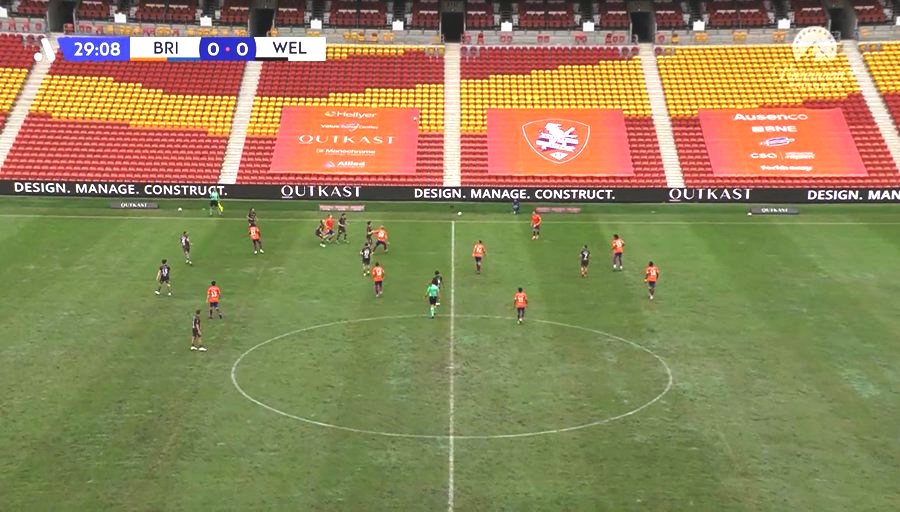


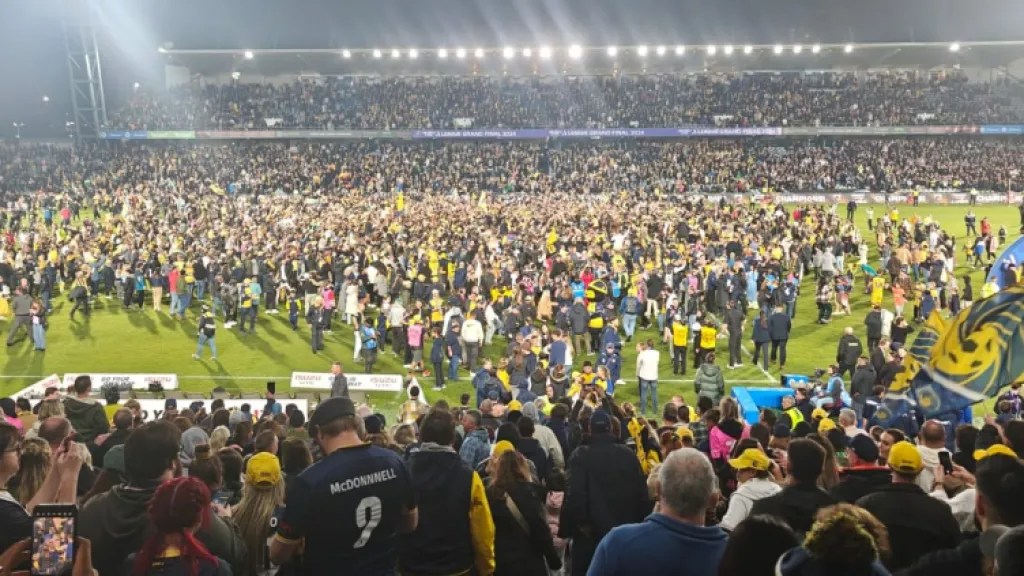
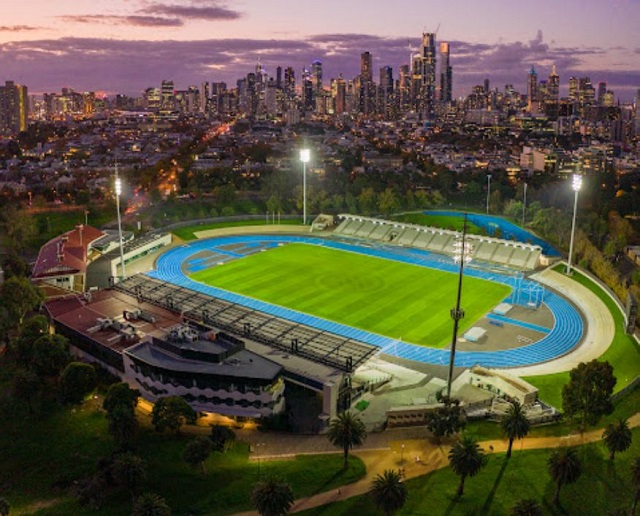

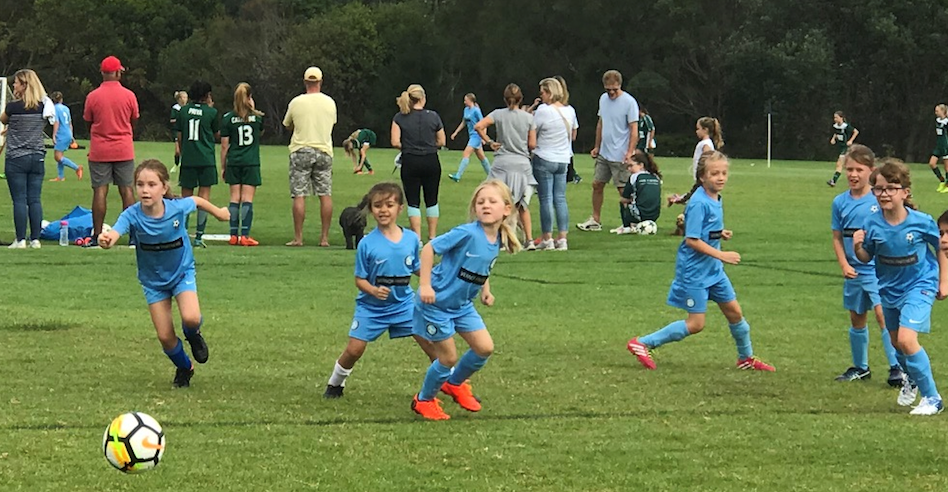


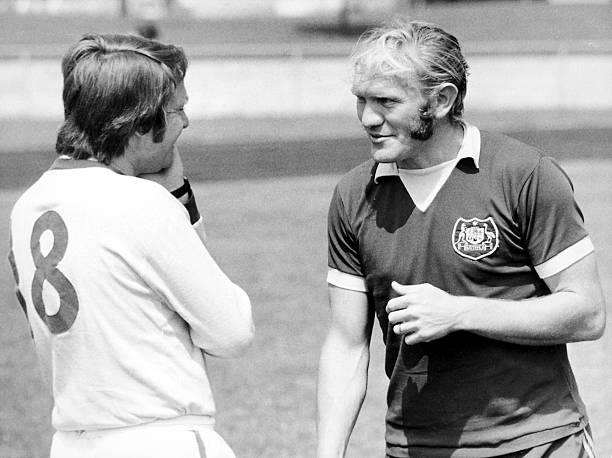
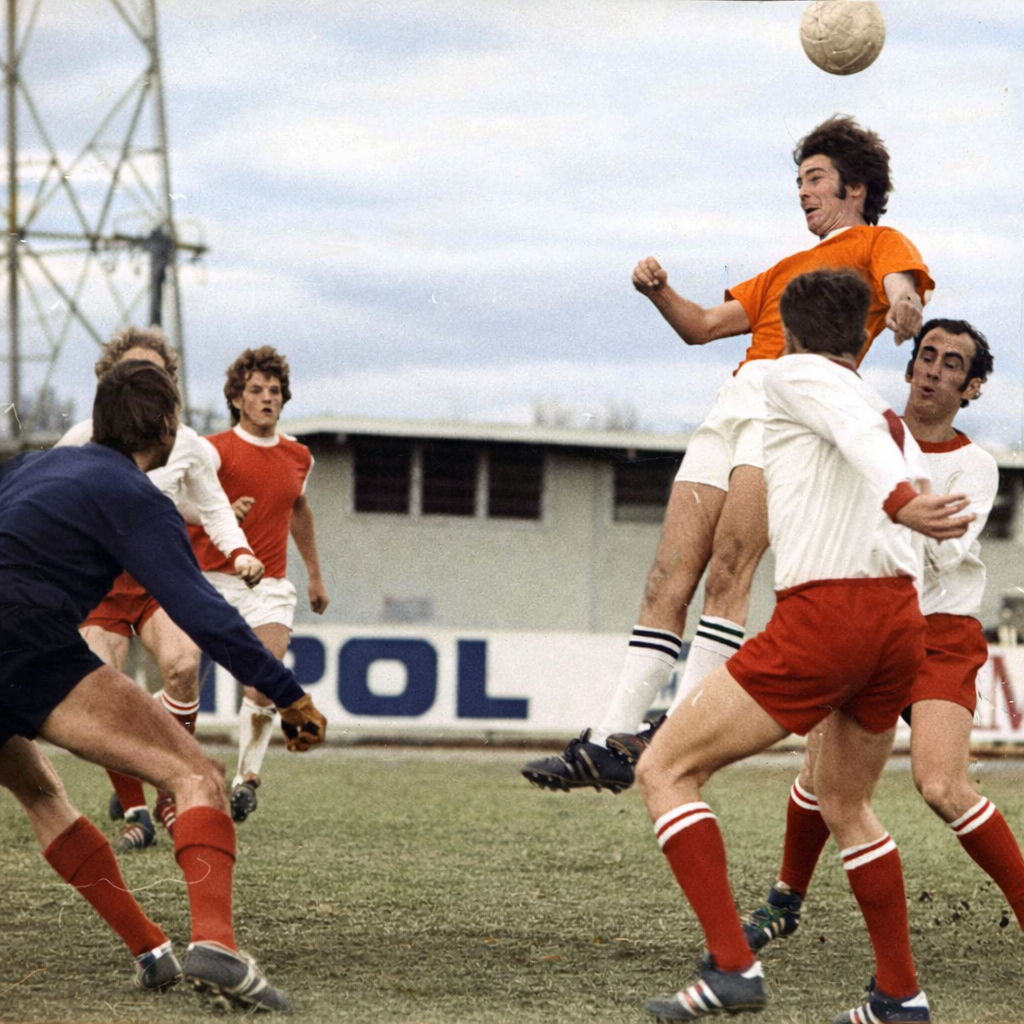

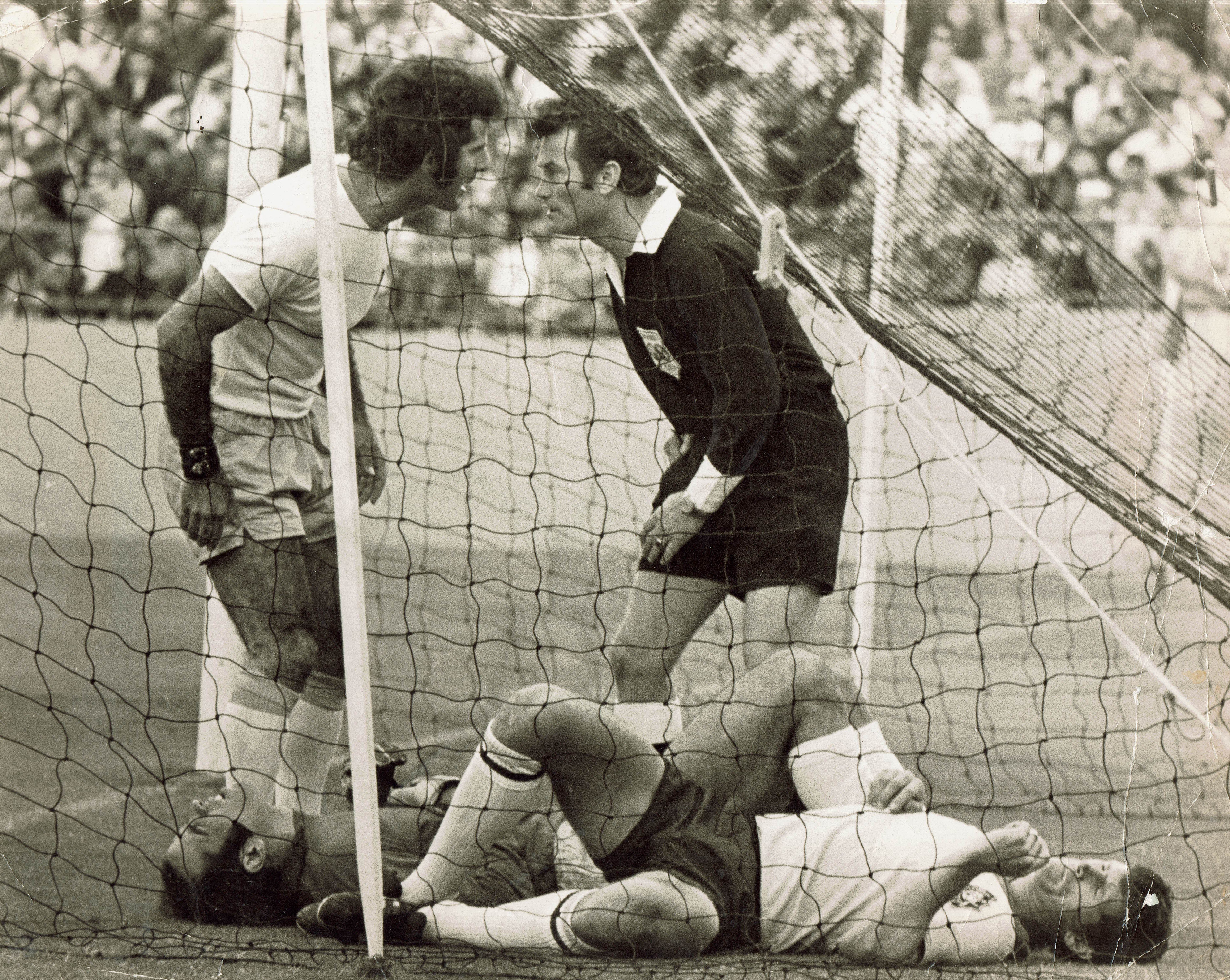
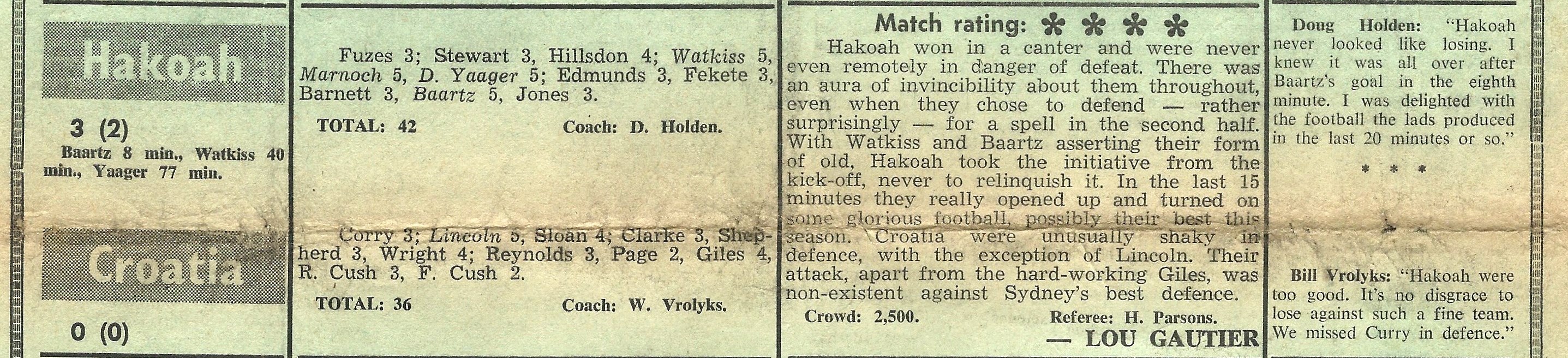
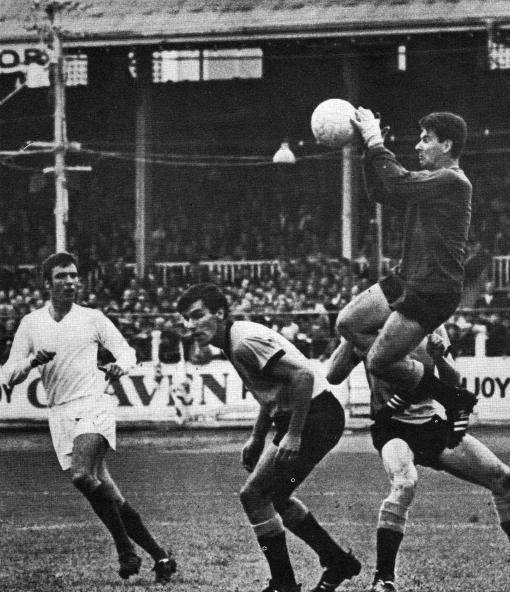
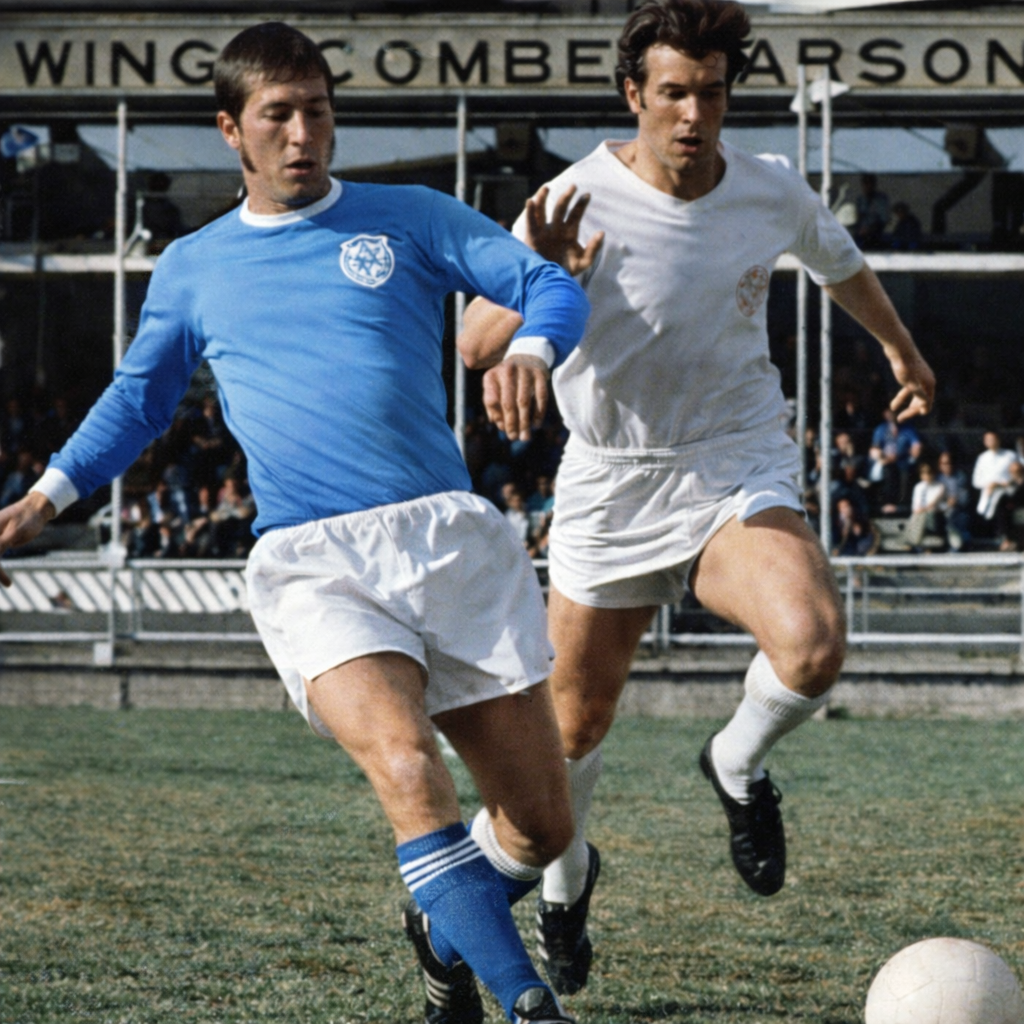
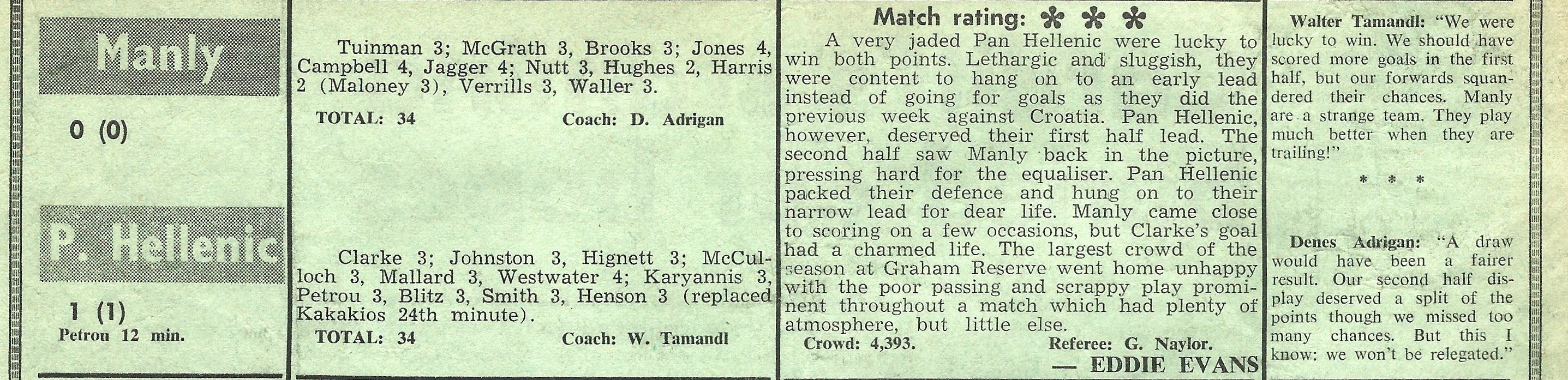

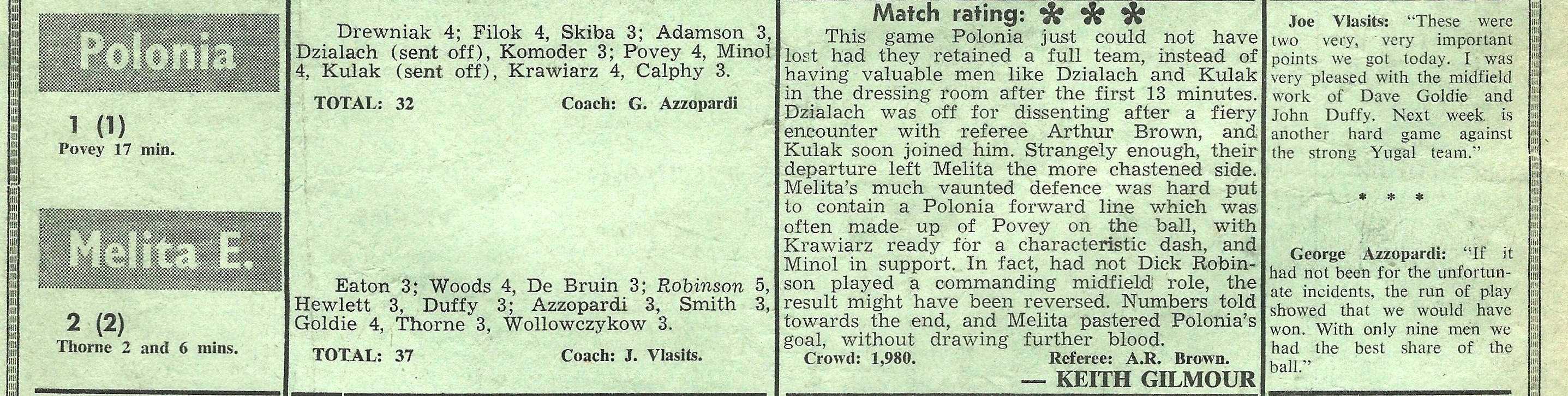


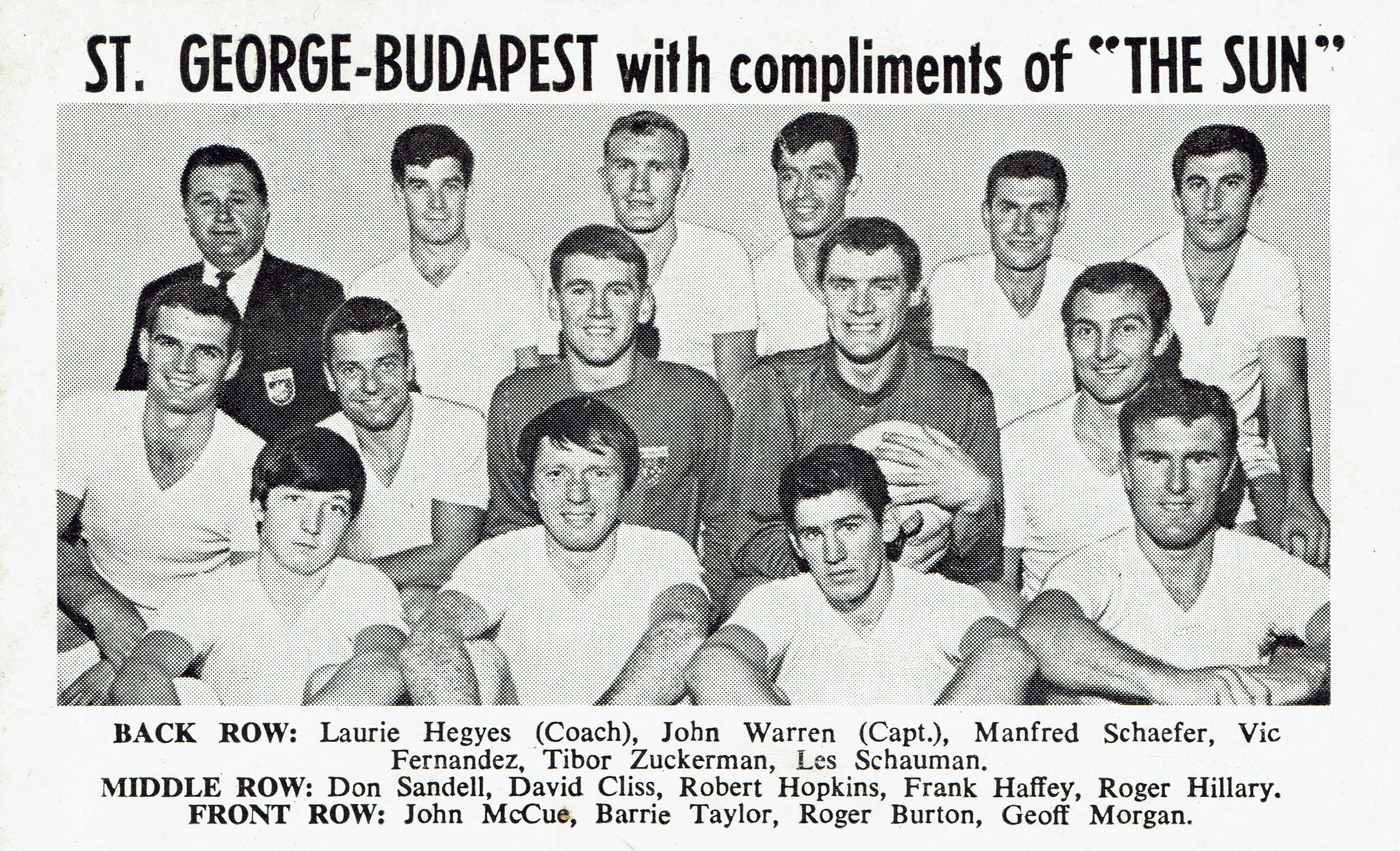

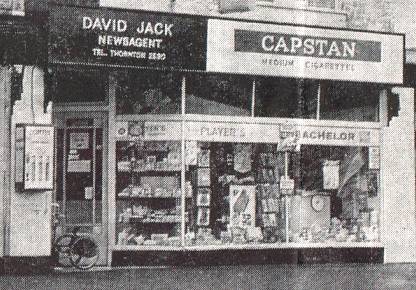

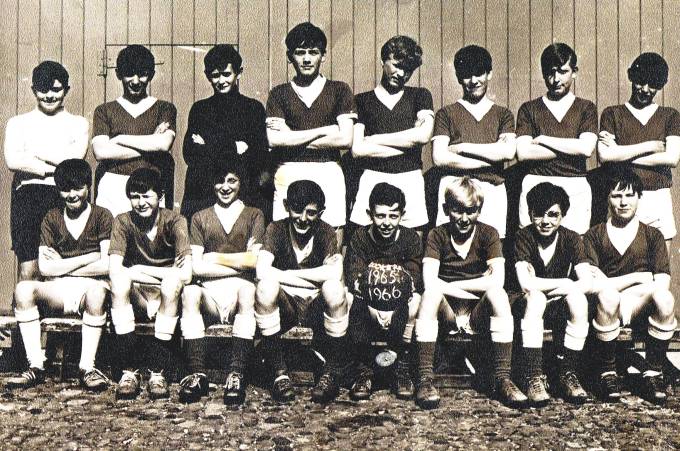






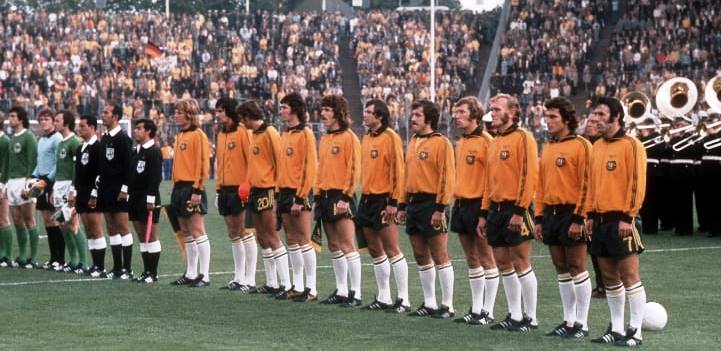





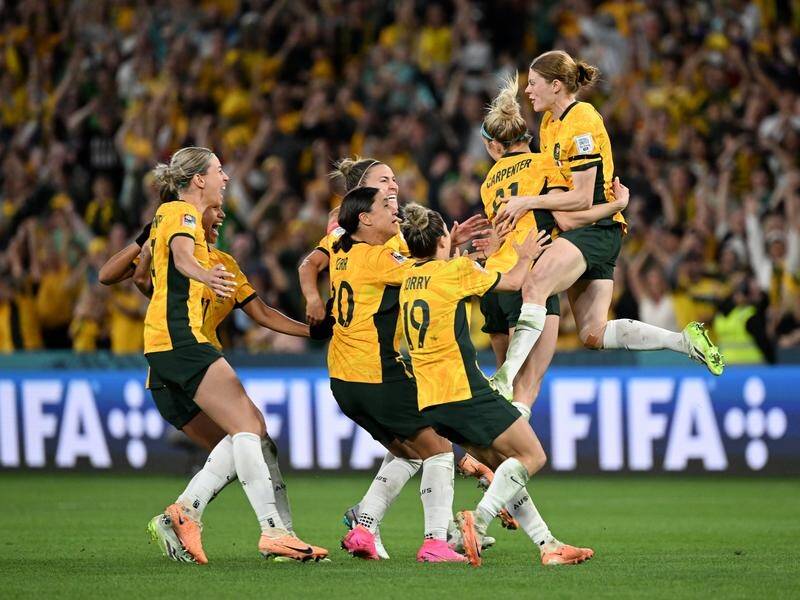



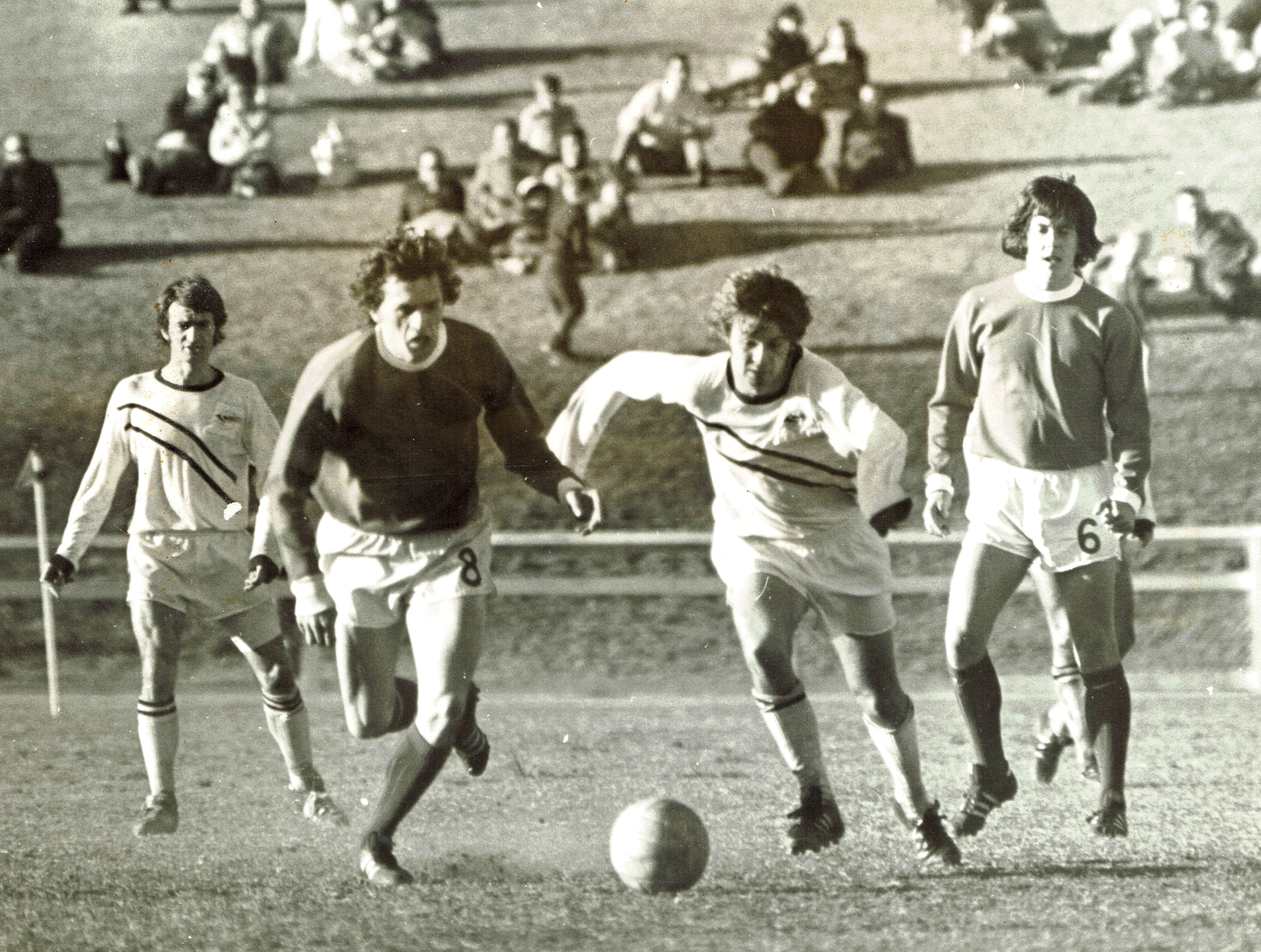




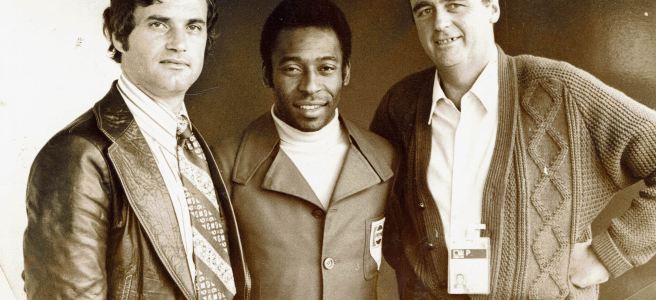

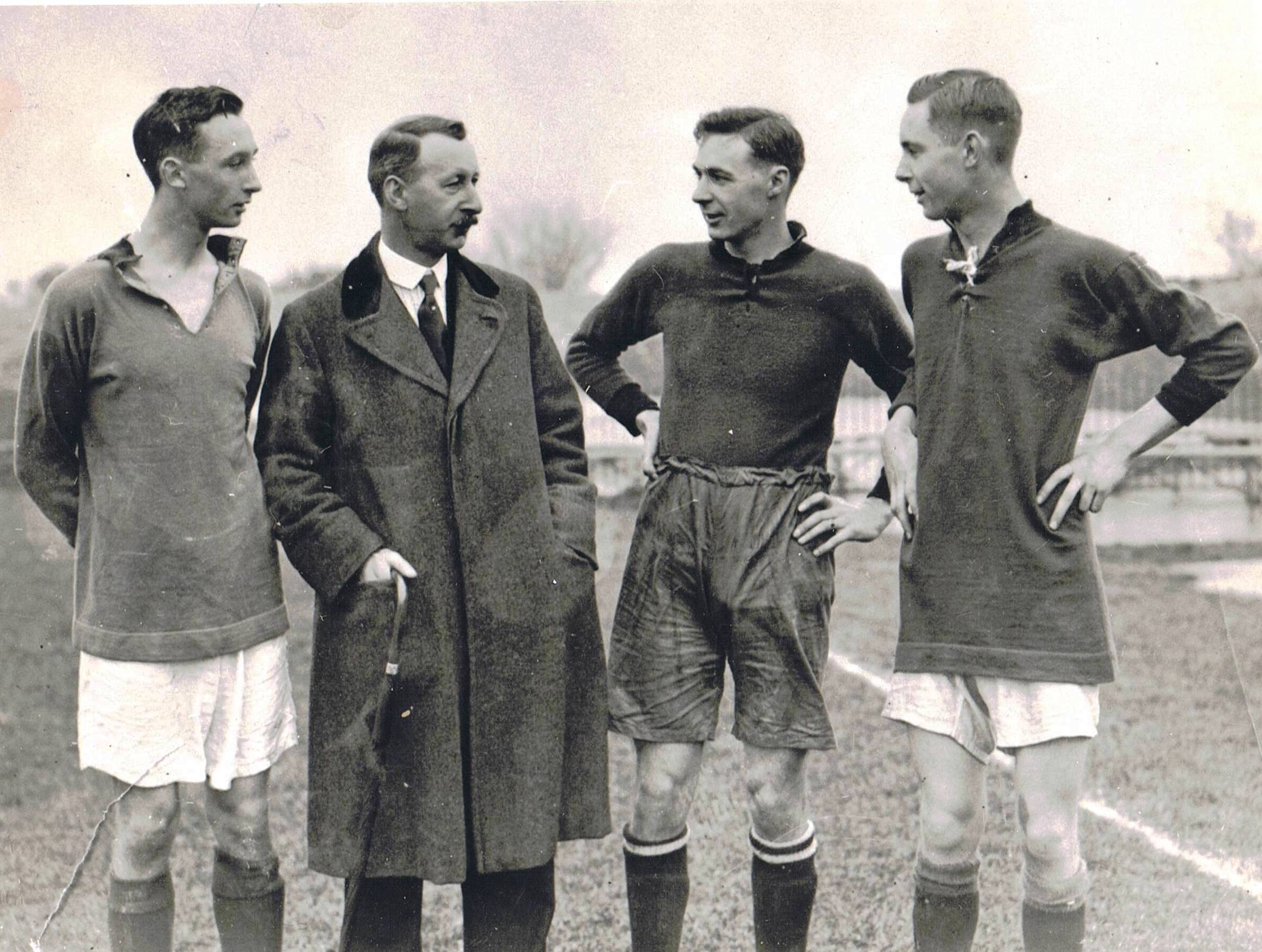
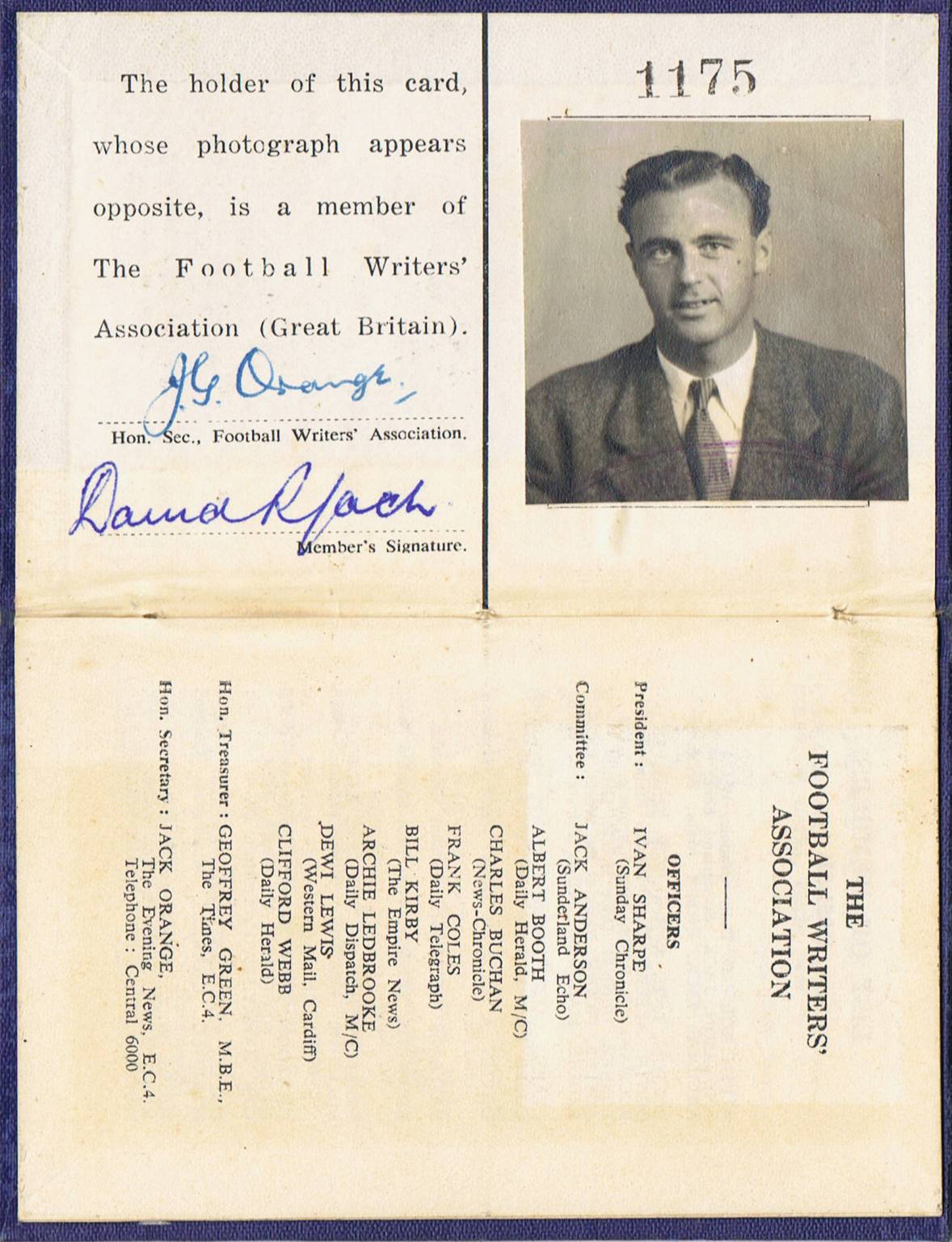
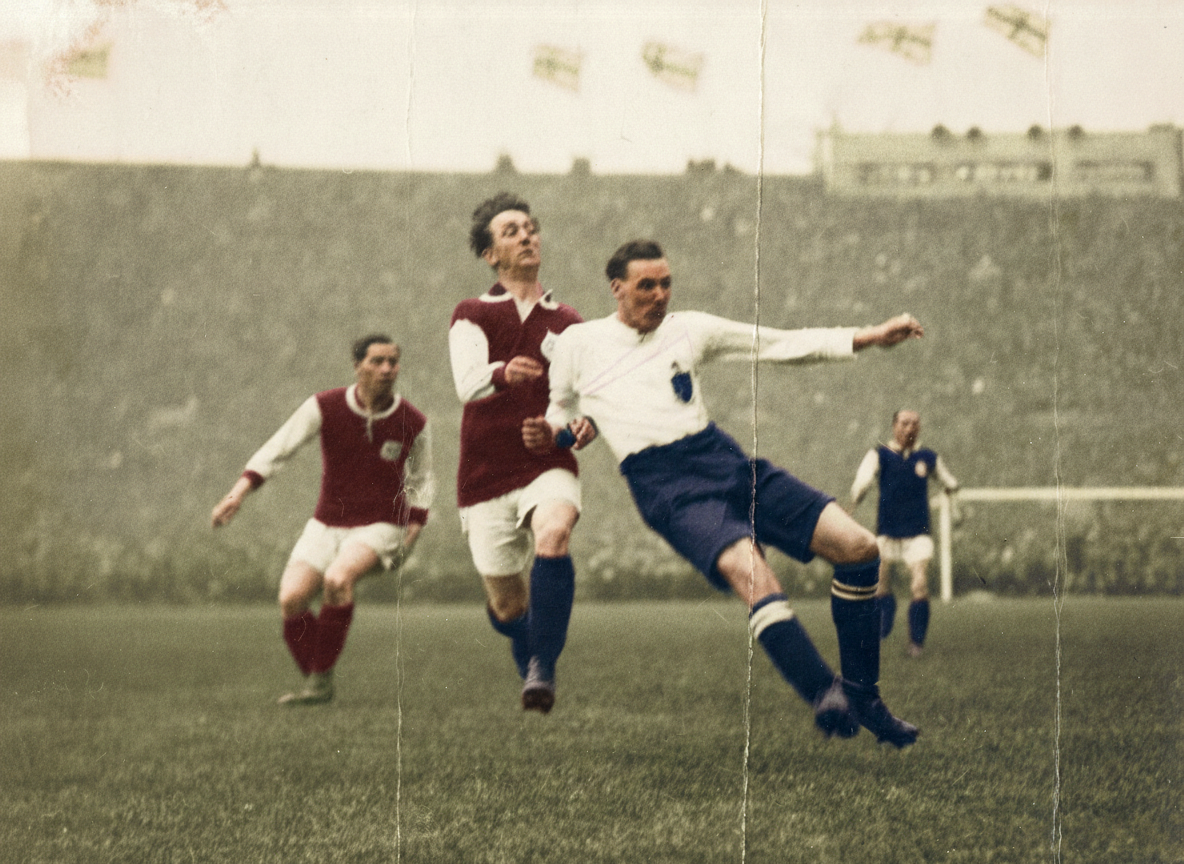
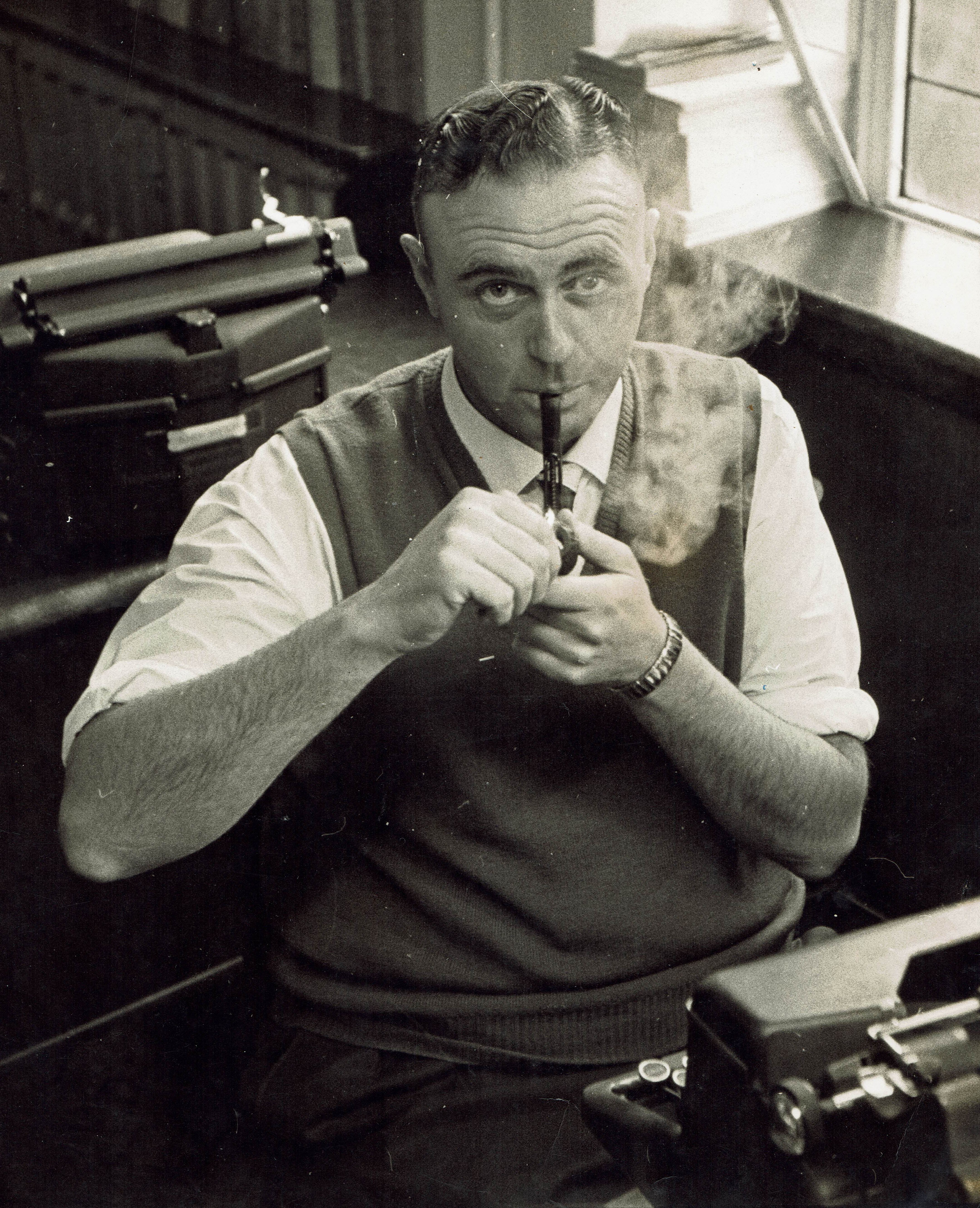

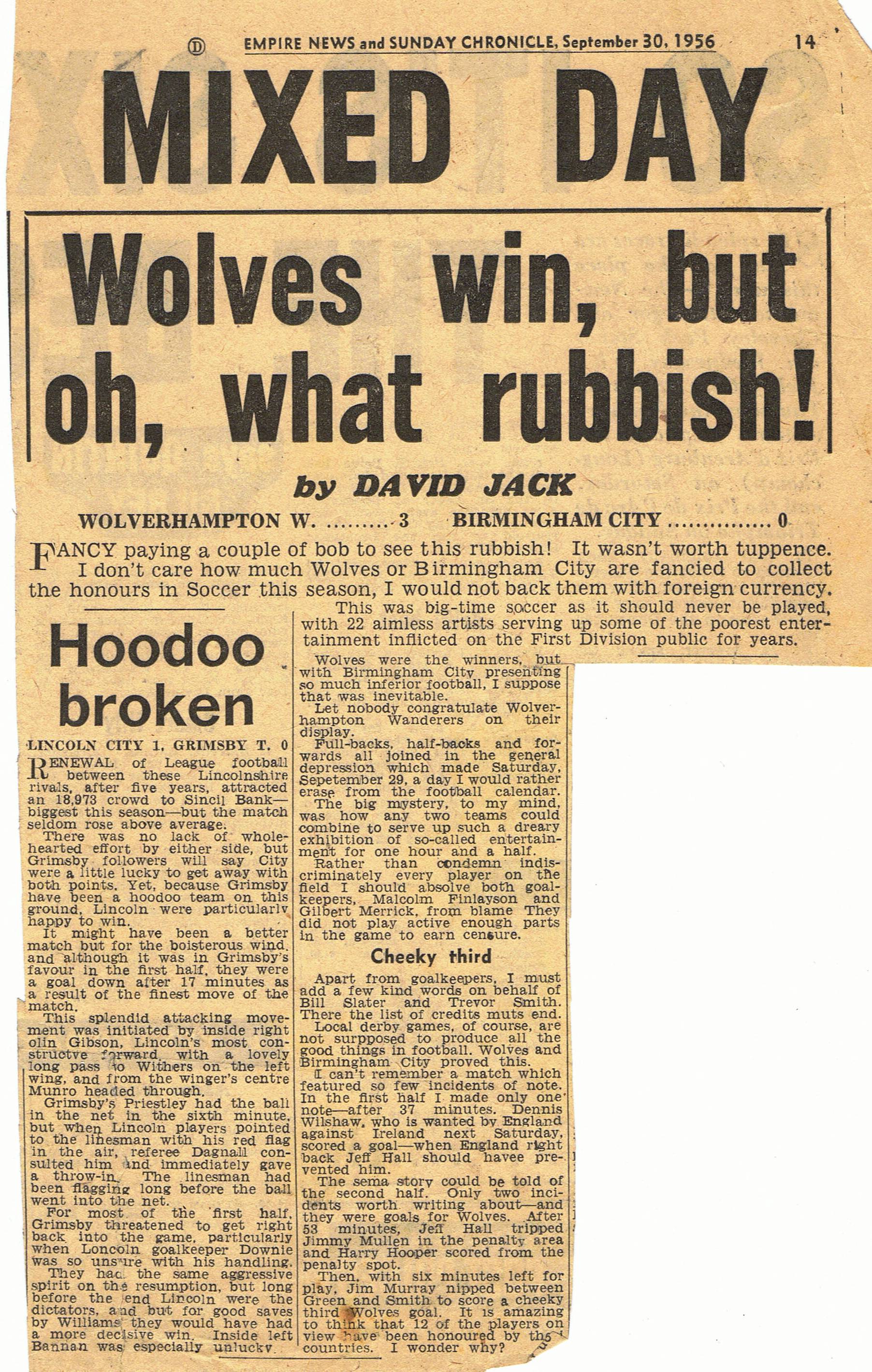
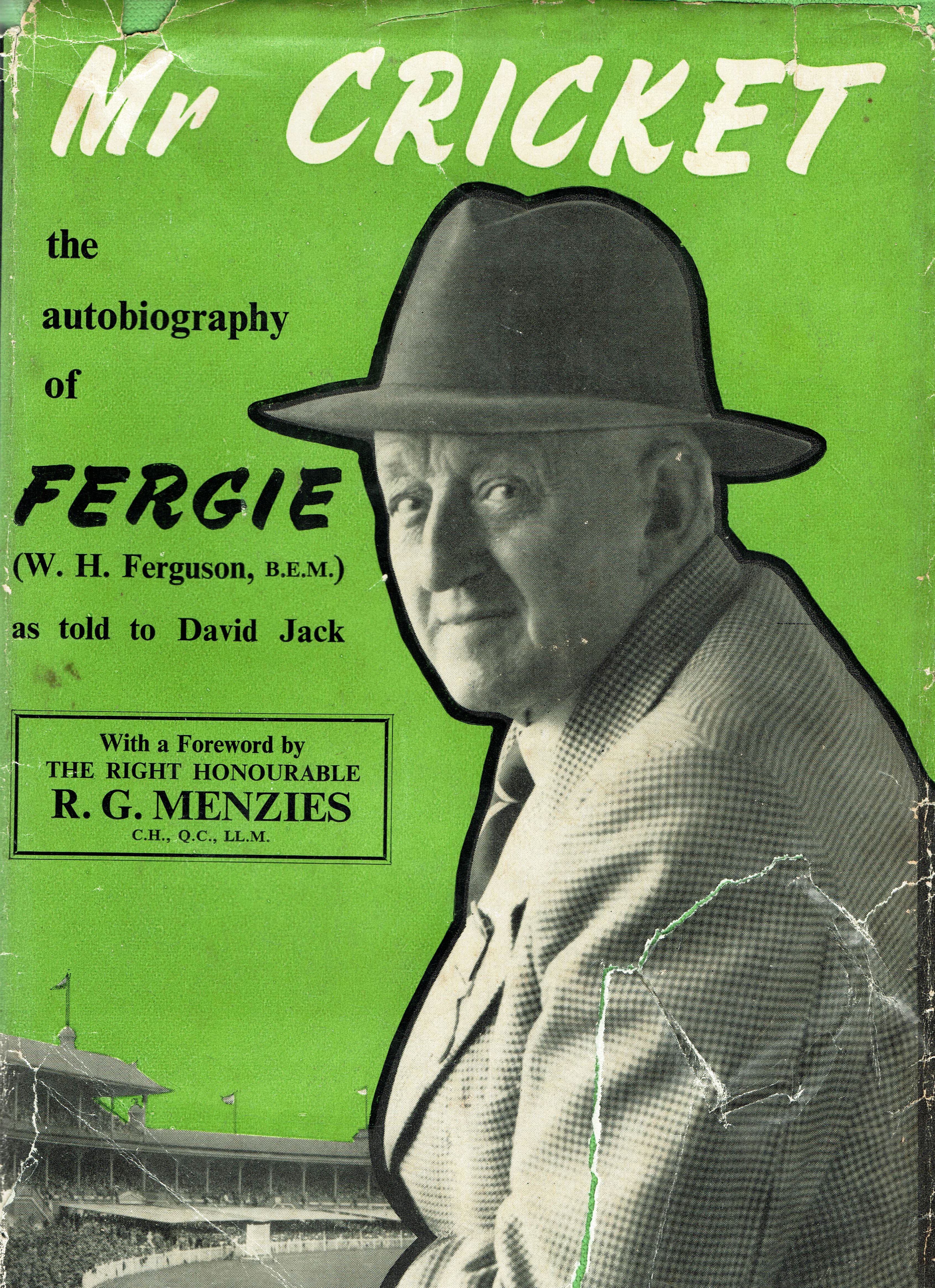


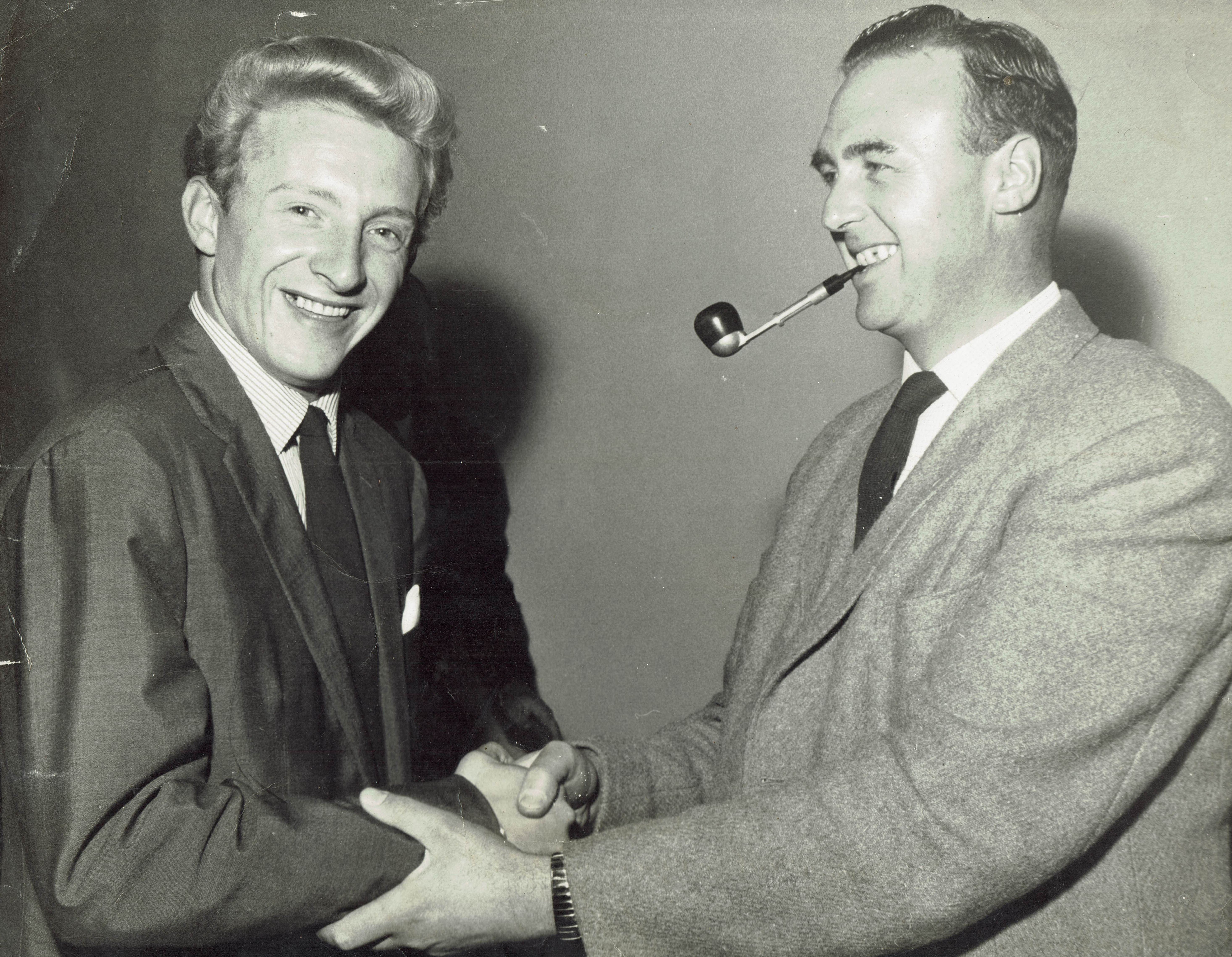


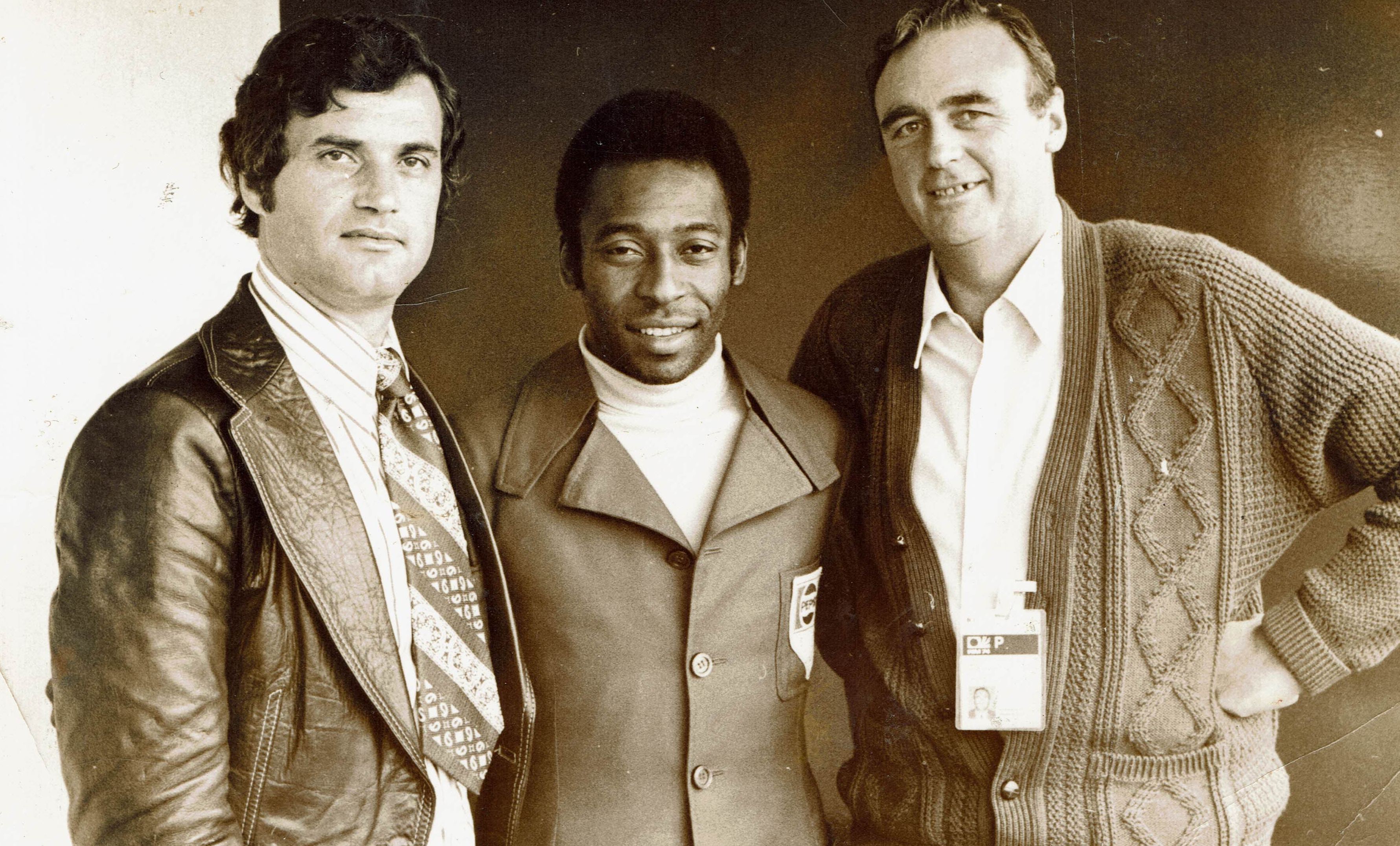
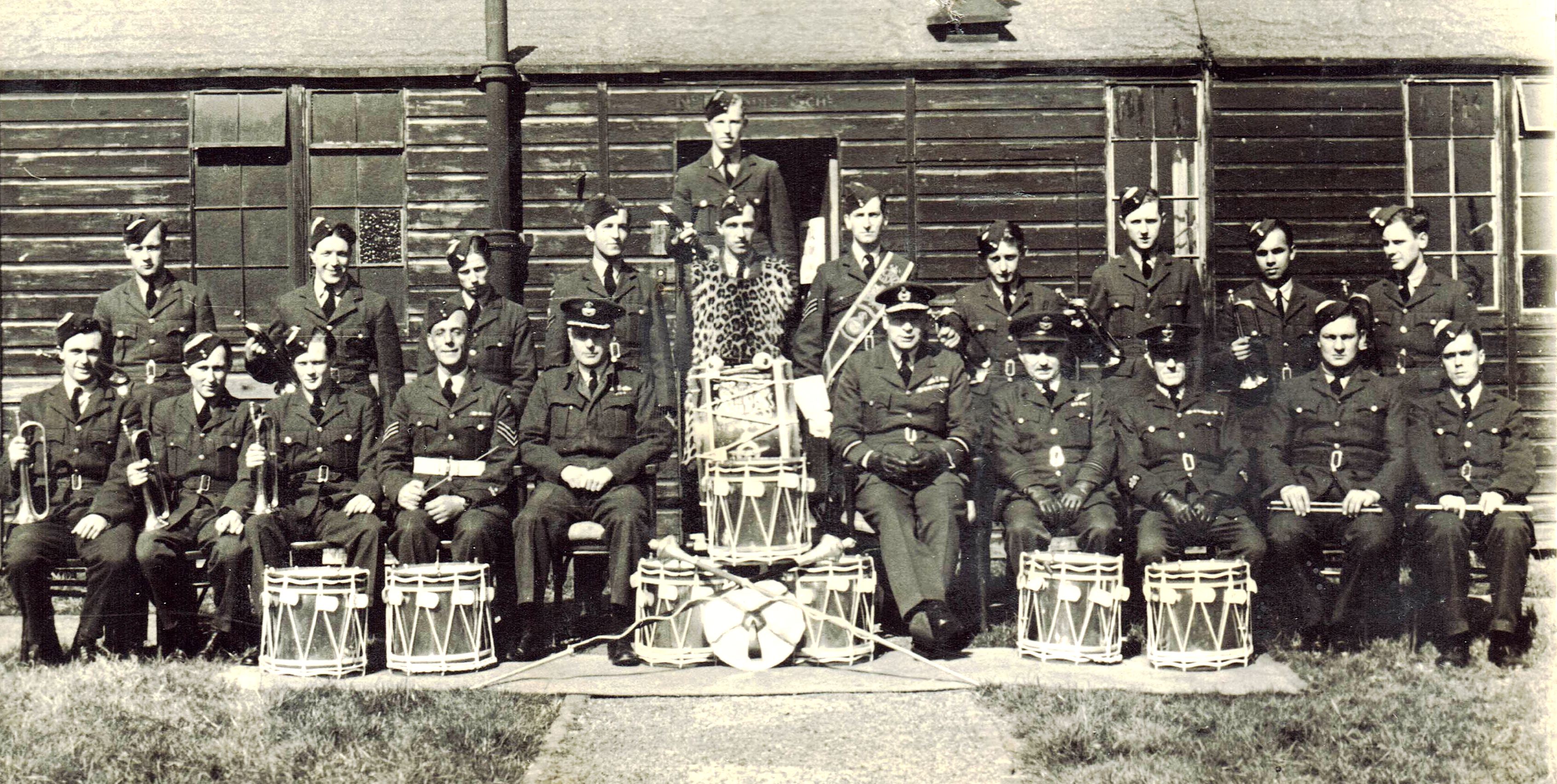

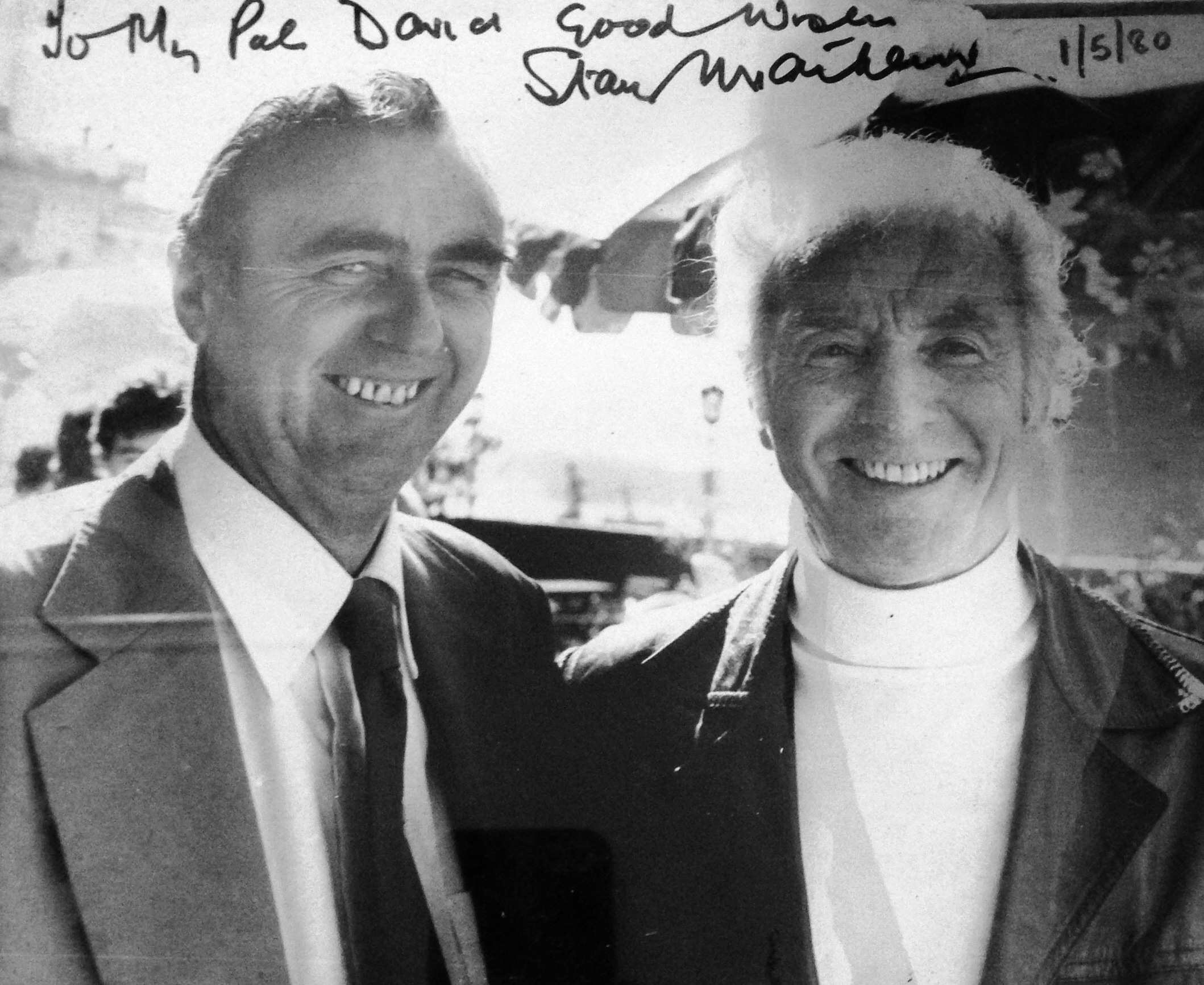
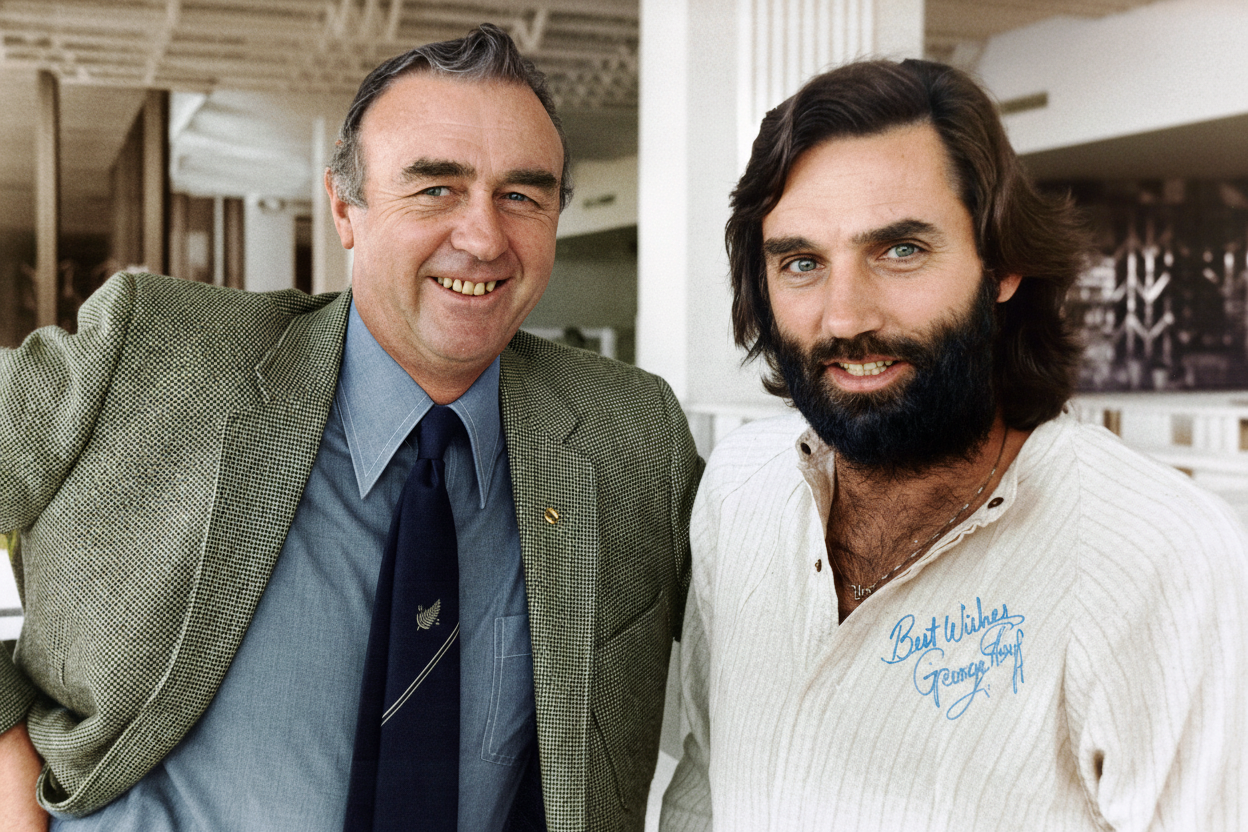
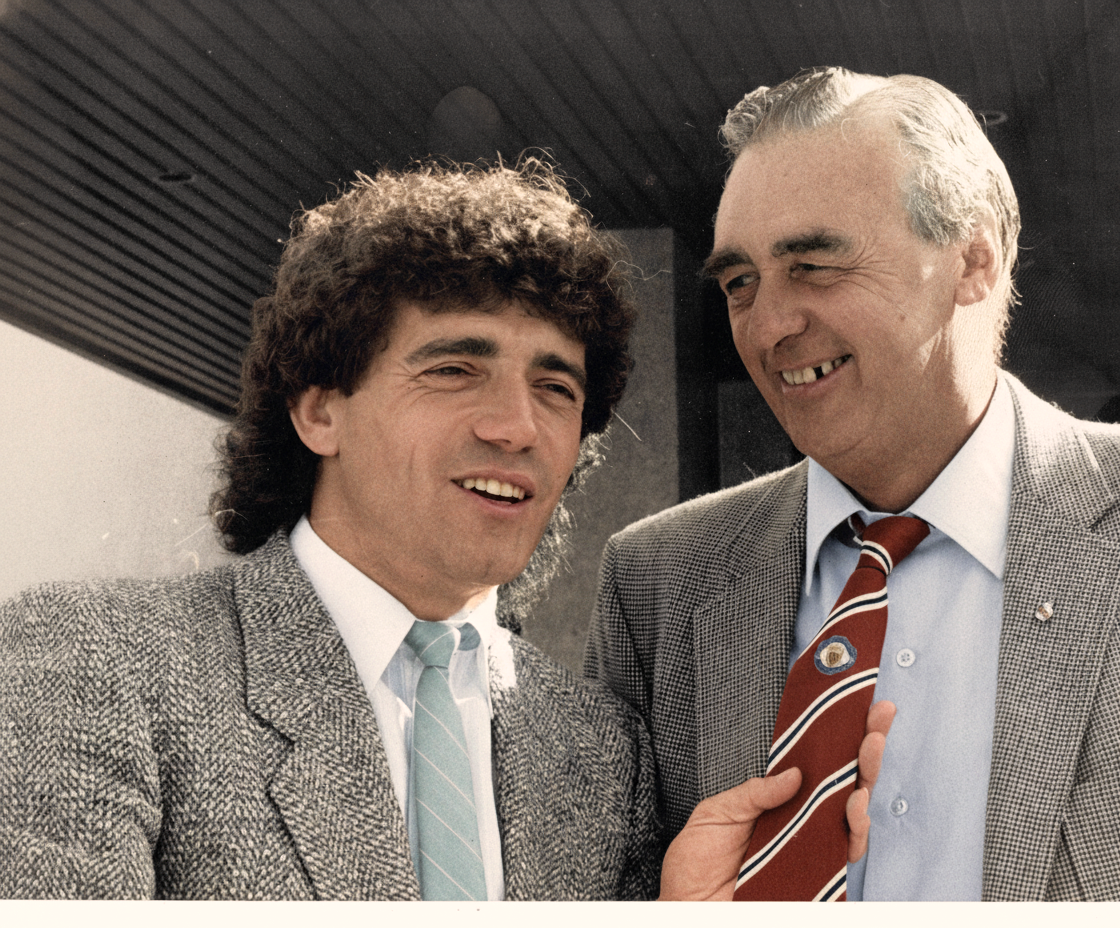
 David Jack