
There are very good reasons why association football / soccer is the most popular sport on Earth. To play at the elite level requires an enormous amount of skill and athleticism but the beauty of football is that you don’t need to have the skill or athleticism of a professional footballer to compete and enjoy the game. The number of people playing different forms of the game has increased exponentially over the last twenty five years. This is due largely to a massive growth in female participants, expanding older age competitions and even grandfathers and grandmothers can get involved with walking football.

With an extraordinary number of football participants, why then does Australia not have thriving adult professional competitions, playing before packed crowds and why does our football rank well below Rugby League and Australian Rules football (“AFL”) in crowd numbers and media coverage ? There is nothing wrong with the product and excitement that our game can generate – consider the recent 5-4 victory by Macarthur Bulls over Newcastle Jets with the Macarthur winner being scored in the 6th minute of injury time. We still however need to have financially viable clubs consistently attracting crowds to their grounds supported by significant numbers of TV viewers.

I believe that our football brand (and we can call it “soccer” if we like) can become the number one spectator sport in the country but a major rethink of local club football is essential. We know that football is the largest participation sport in the country but 98% of participants, myself included, do not attend professional or semi professional football matches. Crowds and interest in the Isuzu A League and Ninja W League are floundering with management of the Australian Professional Leagues (“APL”) recently having passed to a new CEO, Steve Rosich, a person with no previous experience in our football.
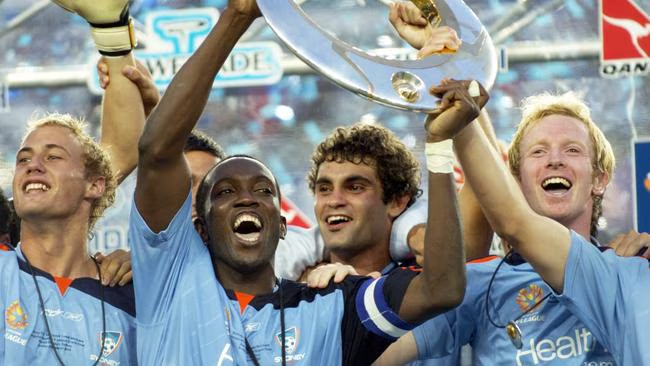
There have been a numerous false dawns in Australian club soccer. We’ve had the impact of mass European immigration after World War 11, qualification for our first FIFA World Cup in 1974, the inception of a National Soccer League in 1977 and then the birth of the A League in 2004. After a promising start boosted by marquee players, the A League and W League are struggling to engender media interest and crowds are declining.
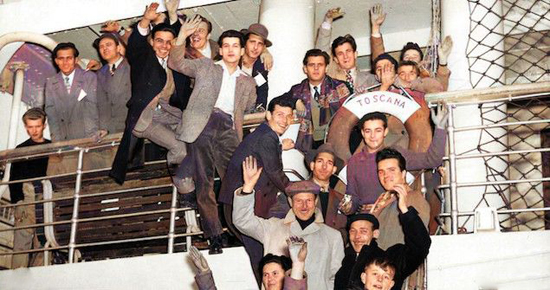
Australian club football needs yet another reset and it is time to wind up the franchise model of former Football Australia chairman Frank Lowy and welcome back to the football fold, the “foundation” clubs and those district clubs nationwide, who are the primary source of football talent in this country.
We need senior competitions where clubs from all over the country can strive to replicate the exploits of Welsh club Wrexham. Last season, Wrexham gained promotion in the United Kingdom for the third successive season and are now knocking on the door of English Premier League football. Why can’t South Melbourne, APIA Leichhardt or Adelaide City have a similar dream to that of Wrexham? Why can’t the elation that the Wrexham fans enjoyed, be mirrored in Australian club football?

It all seems too hard for Football Australia who seem hell bent on keeping the status quo of the A-League and W-League franchises. Financially, Football Australia have been struggling, burdened by a significant debt owed by the APL, despite revenues reaching a record high as at April 2025. The governing body has been beset with staffing issues and although former CEO James Johnson resigned as far back as May 2025, a full time replacement CEO has still not been appointed.
I don’t believe that a thriving full time professional national football competition is possible in Australia. There is barely an A League or W League club that is financially buoyant and most clubs are living beyond their means. The Isuzu A-League and Ninja W-League clubs presently rely on (diminishing) television rights, financial investment from dubious corporate entities and allocations from grass roots football registration fees to finance their operations.

It will be considered radical and regressive but Australian club football must revert to State based competitions and some players will need to be part time professionals. The recently completed Australian Championship showcased a number of NPL and foundation clubs and considering the less than convenient match scheduling and minimal media coverage, the competition was successful, on and off the park. Under my model, the championship format could be retained with the top two clubs from each State based competition competing for the end of season Australian Championship.
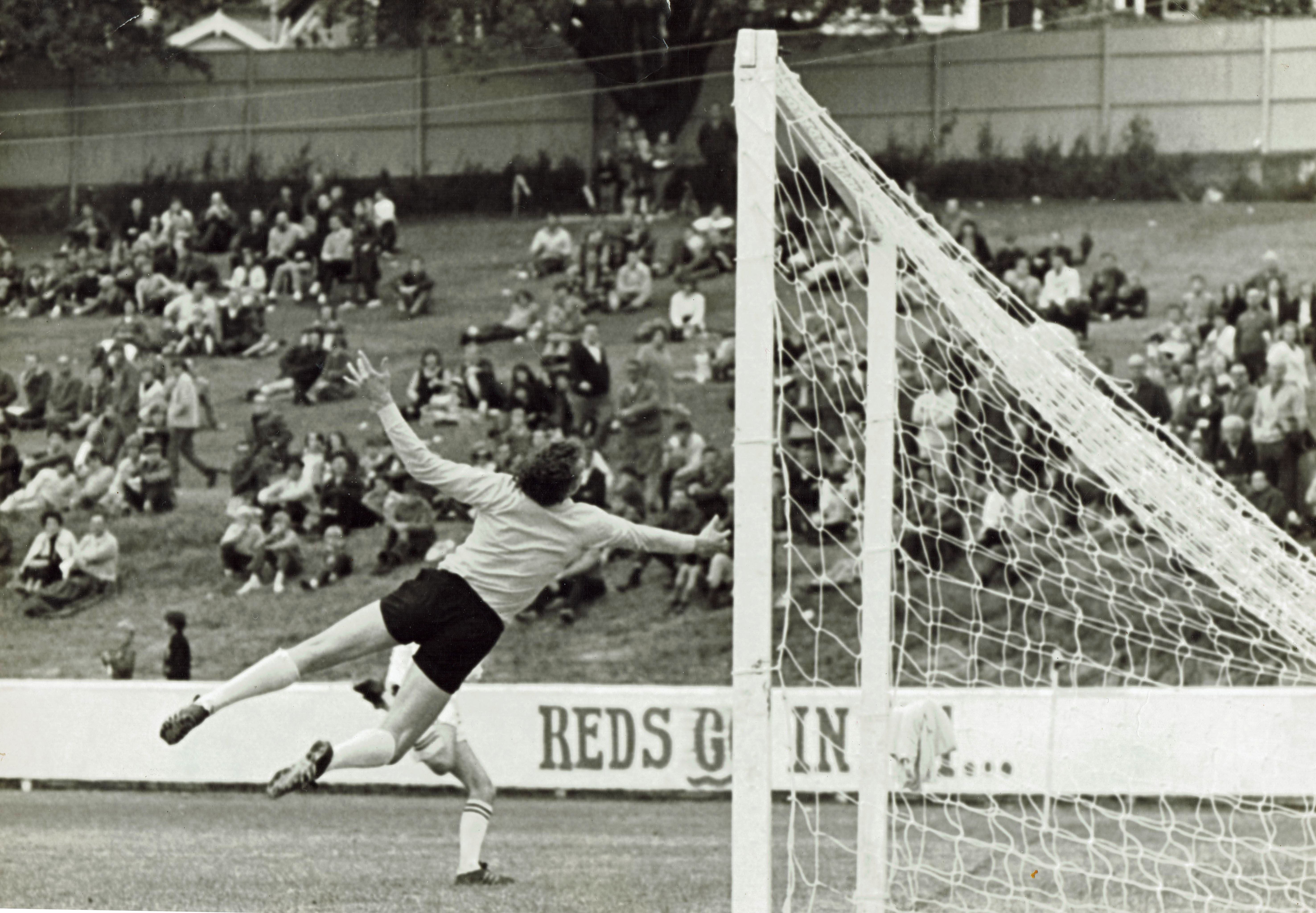
Australian club football has to return to making district and community based clubs the focus of club football. Clubs must have their own grounds, which can be modest initially but grounds that become synonymous with the club rather than largely empty, soulless stadia. Those who have witnessed club football in days gone by at Lambert Park, Leichhardt or Lakeside Stadium (formerly Middle Park) Melbourne, remember how even a modest crowd could generate an electric atmosphere. These district and community based clubs must have the ability to play in the highest level of Australian club football.

Playing State based competitions would have numerous financial benefits. Among these are the significant travel and accommodation cost reduction, increased crowd revenue generated by both sets of fans being able to travel regularly to home and away games and the lower staging expense if clubs were operating out of their own, more modest stadia. Community based clubs would also generate local interest so that young footballers had a clear pathway through the ranks to the top level without being sidetracked by expensive private football academies, whose primary objective is financial. Playing in the club’s home town would create an affiliation, an affection and sense of belonging for local residents, the club would be “our club”.
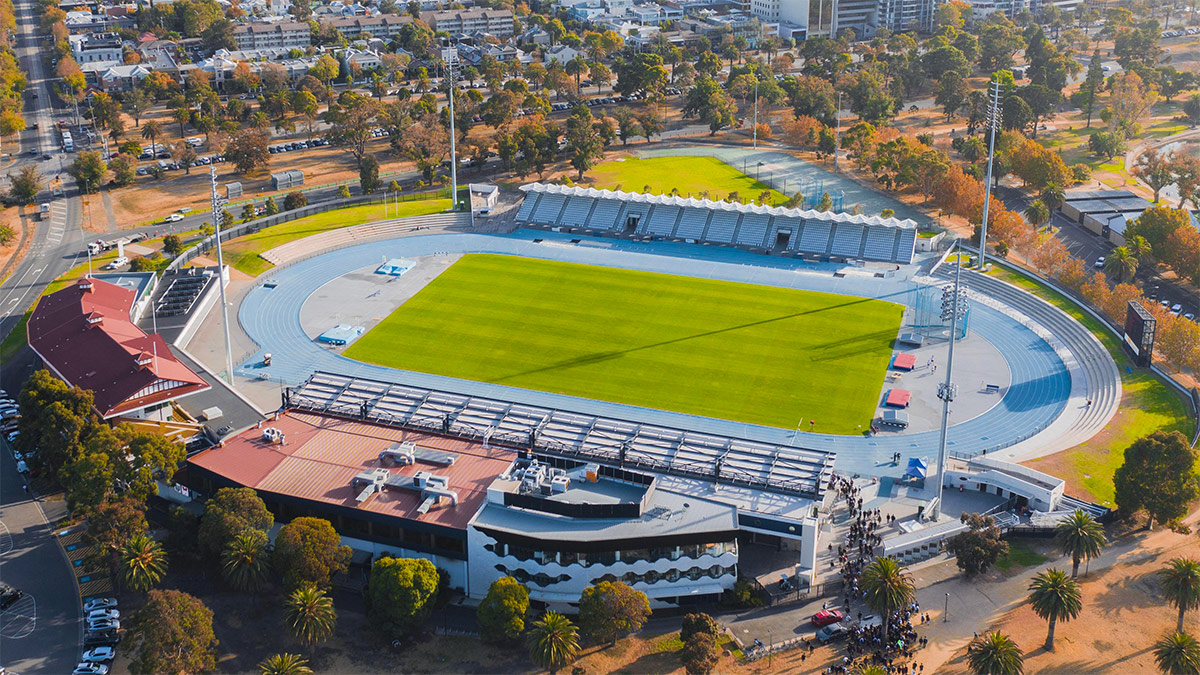
Promotion and relegation from the lowest NPL divisions to the premier level of club football is imperative. No longer would there be meaningless top tier women and men’s football from mid season onwards played in front of empty grandstands. There would be true competition at the top and bottom of all divisions of club football and this would provide all Australian senior players with the opportunity to play at the summit of Australian club football.
The 2024 Isuzu A League Grand Final, played at Industree Group Stadium Gosford perfectly showed that the future of Australian club football lies not with centralised clubs playing in large sparsely populated stadia, Allianz Stadium Sydney and Suncorp Stadium Brisbane come to mind, but in smaller local grounds centred in the heartland of the clubs’ supporter base.
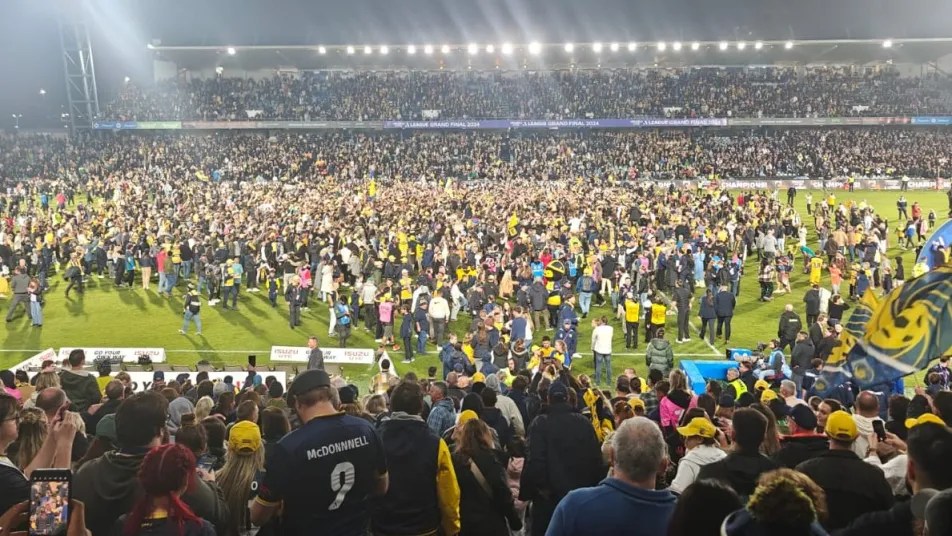
Admittedly, this was a grand final, but the Mariners “rags to riches” success captivated the district. This was the locals’ own team performing above expectation in their club’s backyard. Club supporters don’t want to have to battle city traffic or parking issues to watch their local team. The Manly Sea Eagles rugby league fans are a good example where the fans will rarely travel outside of what they call “God’s country” to support their team. However, give the Manly fans “Brookie Oval”, now 4 Pines Park on a Friday or Saturday night and the ground will be packed.
Frank Lowy wanted football to become the primary football code in Australia but as Lowy’s grandiose plans for the A – League and W League have wilted and with crowds and interest diminishing, it is time for yet another reset of Australian club football. Premier level competitions where clubs are clearly aligned with a community and /or geographical location, playing at their appropriately sized and situated grounds, in front of excited, vibrant crowds.
David Jack © 2026

![George_Best[1]](https://djcjack.com/wp-content/uploads/2014/11/george_best1.jpg)
![GB%20Versus%20Chelsea[1]](https://djcjack.com/wp-content/uploads/2014/11/gb20versus20chelsea1.jpg)
![item_4664[1]](https://djcjack.com/wp-content/uploads/2014/11/item_46641.jpg)
 David Jack