BIG MUSIC SHOW – THE BRITISH INVASION

Friday 18th December 2020 Big Music Performance Hall, Crows Nest

Cats on the Scene – Can’t Buy Me Love

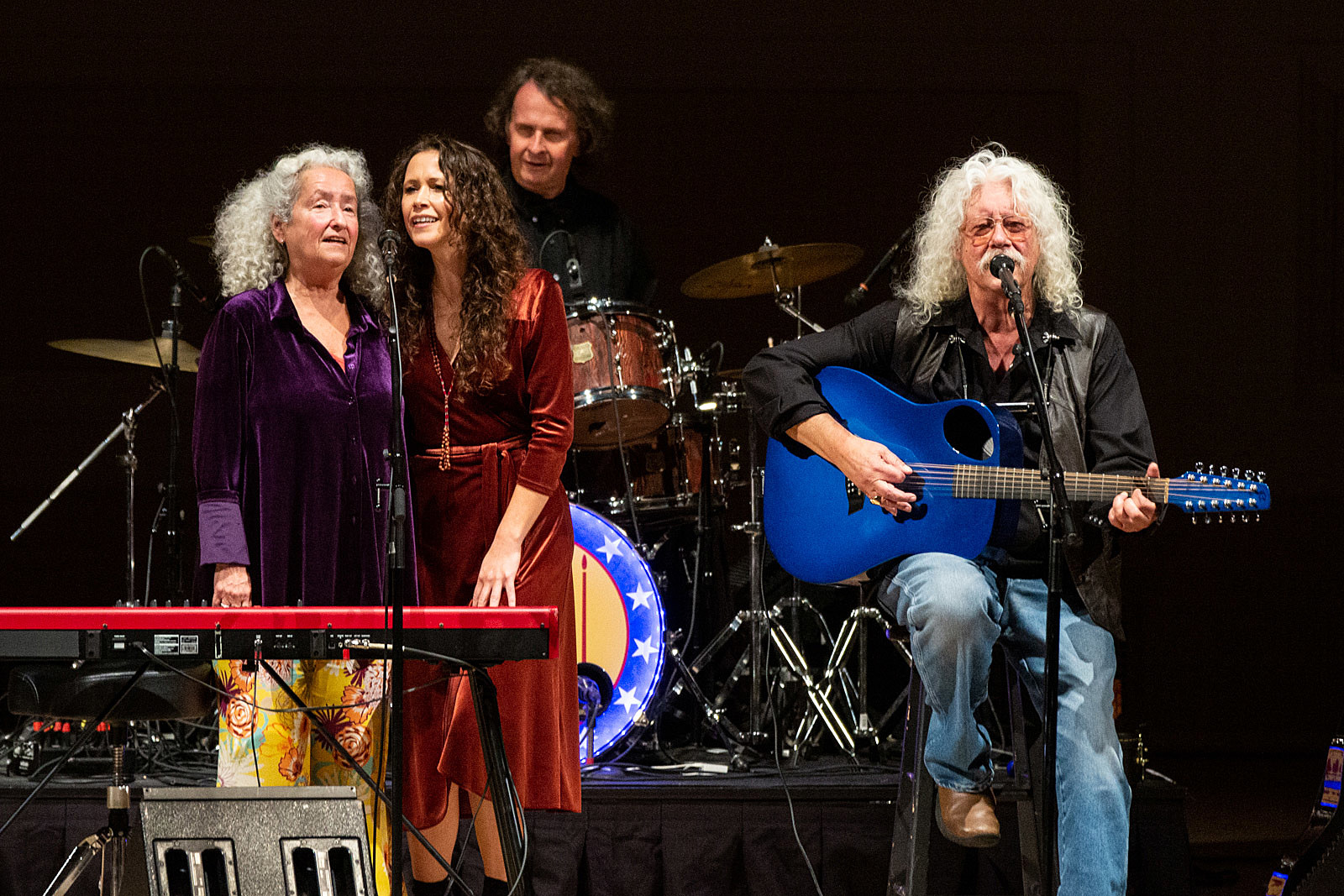
It’s not called Big Music without reason and on Friday 18th December in the year of Coronavirus 2020, the Mecca of live music north of Ernest Street, Crows Nest witnessed the biggest musical duel since Sherbet, with “Free The People” defeated Jeff St. John and the Copperwine to win the 1972 Hoadley’s Battle of the Sounds. The male performer’s hair may be a little bit shorter now and the waistlines a little more expansive, but the British Invasion show pitted the Gene Maynard coached “Cats on The Scene” against their arch rivals, Ash Rothschild’s cleverly named “Ash Band”.

Band members had given blood sweat and even shed the odd tear for 14 weeks in the lead up to the finale, a homage to British performers who took the music world by storm in the 1960’s. Gene Maynard had astutely won the toss at rehearsal on the preceding Wednesday night in the absence of opposition coach Ash Rothschild and Maynard elected to bat first in this titanic confrontation.

Sherbet 1972 Hoadley’s Battle of the Sounds Champions

Naturally with such talent on display and household musical names such as Bill Kable LLB, Peter White and Nigel Smyth present, the show was a sellout with an estimated further three hundred million watching live throughout the world, courtesy of Zoom (these figures never need to be substantiated).

The room bristled with excitement when Cats on the Scene took the stage bang on time at 7.36 p.m. From the moment that Pete (“Sticks”) White pounded the drum skins introducing the Rolling Stones Get off My Cloud the audience realised that they were now in the presence of something special. The beehive coiffured Shantelle McCall, looking every inch the sixties British diva, provocatively eyed Ash Band in the “green room” telling them not to “hang around ’cause two’s a crowd”. The battle was truly on – Sherbet v Jeff St. John & the Copperwine 1972 revisited.

Shantelle then shared vocals with guitarist David Jack on a rollicking version of The Beatles 1965 number one hit Can’t Buy Me Love. There were no Kinks in All Day & All of the Night with McCall’s smooth vocal delivery and a note perfect guitar solo by Bill Kable LLB. It had to be note perfect as Bill had composed it himself. It was then time for player coach Gene Maynard to whip out his Hohner blues harp from his back pocket (uncomfortable if it’s still in there when you sit down) for I’m the Face and let the audience know that he was “the face” (as well as coach, bassist, drummer, guitarist, guitar pedal technician……..etc.) of the band.

A well informed (and obviously quite old) passer by happened to hear Maynard’s harp playing, the like of which he said he had not heard since Larry Adler played a World War 2 gig for US Marines at the Cat & Fiddle Hotel Balmain in 1944. Some compliment! 
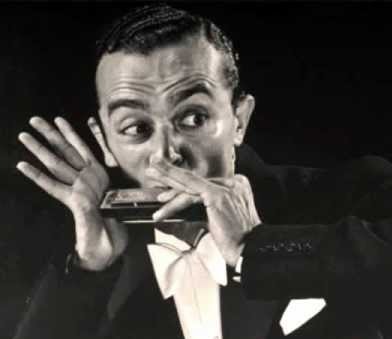
Larry Adler : The Cat & Fiddle Hotel 1944

Crazy ‘Bout You followed, a song written and recorded by Christine Perfect (later McVie) allegedly expressing Ms. Perfect’s infatuation with Spencer (The Spencer Davis Group) Davis. This was carried off perfectly by Shantelle Perfect on vocals with Michelle Perfect, her melodic keyboard accompanist.    

The Yardbirds For Your Love showed that Pete White didn’t spend forty years in the legal profession solely to emerge as a mere drummer. The many hours spent walking to the Land Titles Office in Sydney’s Macquarie St. provided a unique opportunity to also hone his vocal skills that would allow him to sing the words “for your love” on the Yardbirds classic numerous times, with impeccable feel and empathy.

Keep On Running, was how the aforementioned Spencer Davis reacted to Christine Perfect’s persistent amorous advances and it kept the crowd on it’s toes with David Jack and Shantelle McCall then duetting on Cream’s White Room. This 1968 classic from the album “Wheels on Fire” featured a searing guitar solo from Bill Kable LLB which extracted rapturous spontaneous applause from Bill’s friends and family strategically placed in the front row.

Those Cats on the Scene were purring like a kitten served premium Atlantic salmon in a warm room in the middle of winter. Rival band coach Ash Rothschild’s tight pants were growing ever tighter in the wake of his opponents scorching set.     

Three contestants in the Lower North Shore Dusty Springfield sing alike competition

Son of a Preacher Man followed by Spooky gave Shantelle the opportunity to show why she came second in the 2012 Lower North Shore “Who Can Sing Like Dusty Springfield?” competition. The room exploded after Shantelle’s outro to “preacher man” as Shantelle showed that, like USA Presidential elections, Dusty Springfield sing alike competitions can also be rigged.

By now Ash Band were in the green room trying to calm their nerves and lower their collective blood pressure. Were they the 2020 Jeff St. John & the Copperwine to Gene Maynard’s Sherbet? Band members were considering options to settle for an honourable draw including pulling a fuse and plunging the room into darkness. Coach Rothschild rallied his team though reminding them that in the spirit of the Mick Jagger/ Keith Richards composition, they were “Street Fighting Men” which immediately drew quizzical looks from Jo Mooney and Cristobel Peters.   

An artist’s impression of Bill Kable practising his guitar solo

Meanwhile back on stage, Cats on the Scene were drawing to the end of their set. Tin Soldier, their penultimate offering allowed Michelle Helms to showcase the keyboard skills that won her a one year scholarship in 2009 to the North Turramurra Elton Jack School of Piano and Occasional Drum Tuition. Shantelle McCall produced a vocal performance of which the late Steve Marriott of the Small Faces would have been proud and then closed the set with her very best Paul McCartney impression on The Beatles 1963 favourite, I Saw Him ( Her) Standing There.  

As Cats on the Scene took their bows to the inevitable thunderous applause (well as thunderous as thirty five people can generate), the frenetic audience speculated that if this was the support act, what might be expected from the headline band? 

Team Ash : without Ash Rothschild – Gene Maynard moonlighting

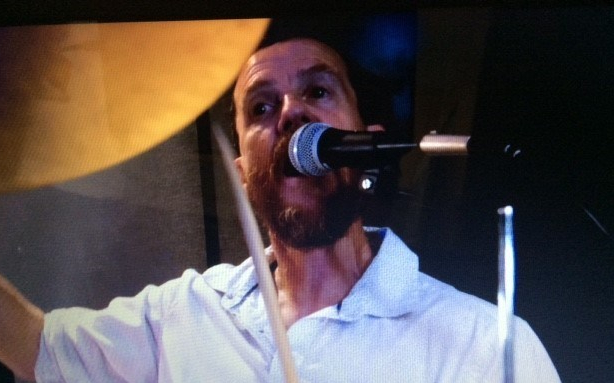
Ash Band launched into their set with the Searchers 1964 number one hit, Needles & Pins. Lead vocalist Jo Mooney certainly was not searching for anything as she was immediately into her vocal stride. This was followed by Mooney’s raucous rendition of the Swinging Blue Jeans’ Hippy Hippy Shake, a condition that one experiences upon entering the outskirts of Nimbin on the NSW Far North Coast. There is currently no vaccine for this condition but Donald Trump has assured Nimbin visitors that one day it will just go away. Craig Cartner delivered a rasping instrumental break, simultaneously “shaking to the left and then shaking to the right” which is no mean feat playing lead guitar. In the background Cristobel Peters punched rhythmic chords punctuated by a startling keyboard glissando.

Up next was Long Cool Woman in a Black Dress sang by a long cool woman, Jo Mooney almost in a black dress with a long cool guitar intro played by a long cool man in black but not a dress, Craig Cartner. Cartner and fellow guitarist Glen Parker traded rhythmic shuffle chord progressions with Ash Rothschild on bass the Clag glue bonding the work of the two tall axemen. The early songs in the set featured Greg Dayhew on drums whose steady beat and timing would bring a smile to the face of any cardiologist.

It was then time for the not quite so long but equally cool woman in the red dress, Cristobel Peters to showcase her keyboard prowess in one of this writer’s favourites, The Zombies She’s Not There. Cristobel perfectly replicated the original song’s intro, played a delightful instrumental break and decorated the whole two minutes and forty two seconds of this classic piece with cleverly placed trills.

Craig Cartner & Glen Parker doing their own Hippie Hippie Shake

Ash Rothschild reminded the crowd that Covid 19 restrictions (at that time) allowed for fifty on the dance floor as Ash Band tore into the 1968 Peter Green composition, Albatross.  At the conclusion of this epic instrumental, there was still room for fifty on the dance floor and Cristobel Peters had to be awoken from a micro snooze. Nigel Smyth was mesmeric on drums and for this performance of the classic Fleetwood Mac track, guitarists Cartner and Parker have both been nominated for the Paul (Pete’s brother) Townshend Lower North Shore Over 35 Guitarist of the Year award.  

Van Morrison’s Gloria was the next Uber off the musical rank featuring a superb piece of vocal call (Cartner) and response (Mooney). This is always a favourite for those who have family members of this name and have trouble spelling “GLORIA” on birthday cards. It also serves as a reminder to any budding guitarist that you only need to know the A, D & E major chords to play rock and roll. Jo Mooney continued up front on the Jagger/ Richards composition As Tears Go By, delivering a hard rock version as it would have sounded if the Ramones had been around in 1965.

G.L.O.R.I.A

Assuming the character of a vamp, Jo then delivered a most creditable rendition of Tramp. This R & B classic highlighted Cristobel Peters’ keyboard skills which were even more prominant when the Roland Juno “On”switch is engaged. Thank you Ben.

The Animals Don’t Let Me Be Misunderstood was very well received then Gene Maynard joined Ash Band on stage for the Kinks You Really Got Me , adding backing vocals to his impressive resume that includes every instrument excluding the Hornucopian Dronepipe. Gene has vowed however to take lessons if a tutor for this instrument (or the instrument itself) can actually be located.           

The most contentious song in the set would have to have been Substitute by The Who. Early on in rehearsals, Jo Mooney felt that a lyricist of Pete Townshend’s ability could have done a little better and consequently a couple of lines had the new Mooney lyrics “substituted.” Mooney is now seeking royalties from The Who’s management for any future publishing or performance rights for the song. The Who are seeking damages of up to $1b from Mooney who has engaged Bill Kable LLB to defend the law suit.

A contrite Pete Townshend acknowledges that his lyrics in Substitute were not his best

With controversy now set aside, Ash Band closed the show with the Rolling Stones’ Jumping Jack Flash and the overworked and underpaid Jo Mooney again delivering a powerful lead vocal, fortunately without the strutting and pouting of Michael Jagger. As the sound of the final B major guitar chord wafted off into the Alexander St. night, members of both groups stayed around for the inevitable autograph signing and selfies. The Battle of the Bands was over, tension between Cats on the Scene & Ash Band had evaporated and both groups agreed that the Big Music “British Invasion” show had been an extremely enjoyable and worthwhile exercise. Enormous credit is due to coaches Gene Maynard and Ash Rothschild for the success of the show and to sound engineer Ben (“George Martin”) Siva for his contribution over many weeks.

Jo Mooney was seen in deep conversation with Bill Kable LLB as the curtain closed and the concert hall emptied.

The Battle is Over – All Happy Together Again

David Jack © 2020

PAVING PARADISE (AGAIN)

A hundred years ago or so, were planted on this land
Majestic pines that reached the sky, so tall, so proud, so grand
Surviving storms and raging fires, as many wars went by
But greedy men with banker friends decreed that they must die

A noble splendid stately home adorned the spacious lot
Keeping watch upon the trees, from centre of the plot
And now and then the snow would fall and dress the branches white
A Christmas scene in mid-July, to all the kids’ delight

The owner wasn’t happy though, with one house on the block
The council rubber stamped the plans, the neighbours were in shock
Twelve more dwellings would be built, two hundred pine trees axed
No consolation profit gained, would be just slightly taxed

The clanging chain saws went to work, the pine trees all cut down
A thousand displaced homeless birds, fled to another town
And where it all was once so green, just rubble now remains
No grateful radiata pines to drink the falling rains

Some will call this progress, though I call it obscene
To raze the land, destroy the trees, deprive the world of green
But I feel blessed that I once was, the king of this great home
And walked amongst the pine trees before they turned to stone

David Jack © 2020

PALM TUESDAY

Palm

How I do so love my palm
In all her green, with all her charm
We play our games and joke a lot
Me in thongs, she a pot

Sometimes she likes to dance and sing
Though dancing’s really not her thing
Her preference is to meditate
And now and then, self isolate

But some will say “she’s just a plant”
“A Bunnings Special” some will rant
But she’s my friend, so kind and calm
I love my flowering bamboo palm

David Jack   ©2020

FOOTBALL – WHERE IS IT HEADING?

Van persie 2
Flying Dutchman Robin van Persie scores a spectacular headed goal against Spain in the 2014 World Cup

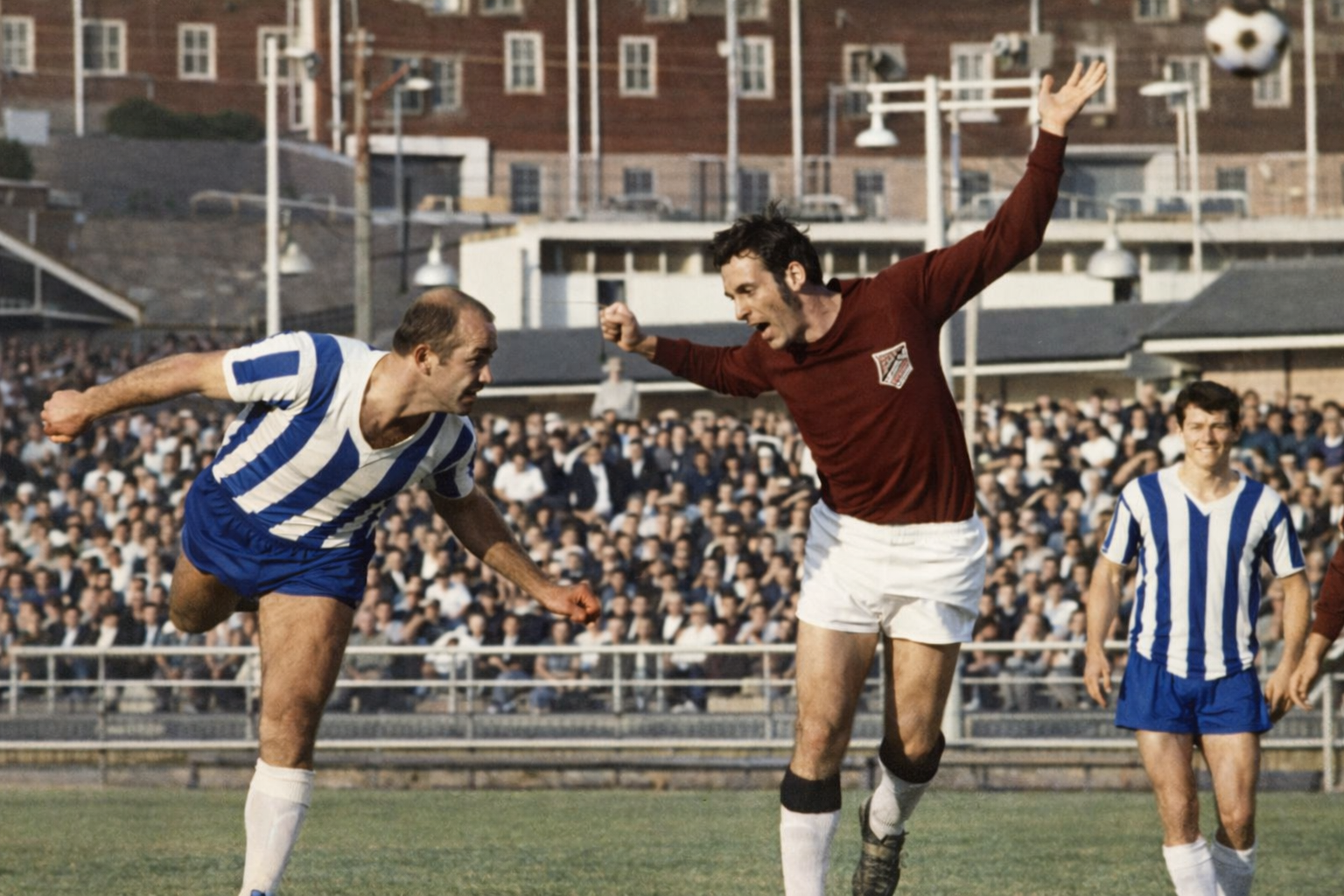
In April 1977, I scored two headed goals for APIA Leichhardt in a 2-1 victory over Sydney Croatia at Lambert Park, Leichhardt. If, however I was now a budding 8 year old footballer in the APIA junior ranks, the likelihood of my scoring two headers ten or twelve years down the track, would be considerably less.

APIA Leichhardt, a Sydney National Premier League club with a celebrated history in Australian football, has announced that they are going to ban heading at training for all players up to the age of twelve. Football Federation Australia have been conducting their own review into the perceived danger of heading a ball and will hand down its’ findings soon, which may have ramifications for all junior players. APIA’s move follows similar restrictions, recently introduced by the English, Scottish and Northern Ireland Football Associations.

No more heading training for Apia Leichhardt juniors
Ted Drake
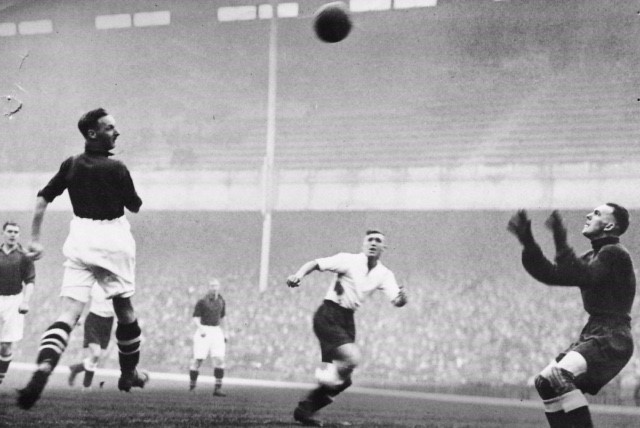
Arsenal 1938 – Ted Drake suffers a head trauma


The study on which the UK Associations based their decision, published by the New England (USA) Journal of Medicine, was carried out on behalf of Glasgow University, using a number of male Scottish professional footballers born between 1900 – 1976. The study investigated the incidence of neurodegenerative illness in former footballers when compared to non footballers of the same period. The results did show that the former professional players were three times more likely to suffer brain illness such as dementia and Alzheimers, than their non playing counterparts. The study also noted however that ;

  • Former professional footballers were less likely to die from heart disease and cancers and had a lower “all cause” mortality rate than their non footballing counterparts, reflecting their general better health.
  • Participants in elite sports competition enjoyed lifelong health benefits and were less likely to suffer lung damage, obesity and resultant cardio vascular issues. Former professional footballer’s life expectancy up to the age of 70, was nearly three years longer than that of non players.
  • Mortality rates of participants where neurodegenerative disease was the primary cause, did not differ significantly between goalkeepers and outfield players – interesting.
  • There was NO EVIDENCE in the study linking heading the ball to neurodegenerative disease

No evidence but despite this, the United Kingdom Football Associations (except Wales) and the United States Youth Soccer Association have now been joined by APIA Leichhardt in restricting young player’s development of heading – one of the most important skills in the game.

DBN Header 2
Heading 1930’s style as David Bone Nightingale Jack heads the “brown brick” goalwards

The study appears to have ignored the fact, that prior to the mid 1960’s, a football was a vastly different animal to the current ball. I have no doubt that prior to the phasing out of the old brown laced leather footballs, the continual heading of the waterlogged “brown bricks” as they were known, in European winters on sodden pitches could have caused long term neurological damage. However, the modern, lighter synthetic waterproofed balls bear no resemblance to the lead weight spheres of my grandfather’s era.

I am not in favour of the move to curtail heading at training for young players. To eliminate the development of this important skill in a player’s formative years will hamper, possibly irreparably, a player’s all-round footballing ability. This may be the first step towards the total eradication of heading from football and God help us, we might all end up playing Futsal !

How not to head a ball

The Glasgow University research did find that the former Scottish professional players were three times more likely in later life to suffer from dementia, Alzheimers and Parkinson’s disease, however the study stopped short of stating that this was caused by heading a ball. I have played the game for many years and though not a robust player, I have probably banged my head playing football, ten times during my career. Is it possible that if I was to develop brain disease that these head traumas had provoked the illness, rather than my heading the ball? Was I already predisposed to brain disease before embarking on my football career ?

Kid heading
Ouch ! Would be much worse in 1950

Participants of the Glasgow University study were all born in 1976 or earlier. If it was possible to compare the brain health of players born before 1950, when heavy leaden footballs were the norm, with those born between 1950 – 1976, the latter of whom would have had the benefit of playing with lighter, waterproofed balls, the study might have produced interesting and definitive results. It was not in fact until the 1986 FIFA World Cup in Mexico City that the first fully synthetic layered footballs became prominent.

The death of former English international footballer Jeff Astle from Chronic Traumatic Encephalopathy (“CTE”) in 2002 sparked investigation into the effect of head traumas on footballers. Astle was a prodigious header of the ball and the coroner at the inquest into his death stated that heading heavy, often rain-sodden leather footballs had contributed to his death. The consultant neuro – pathologist also told the inquest that Astle’s brain condition was likely to have been exacerbated by heading heavy leather footballs.

Jeff Astle 2
Jeff Astle – heading heavy, often rain sodden leather footballs contributed to his death

I have no argument with that opinion, however we no longer play with rain sodden leather footballs. If APIA Leichhardt have made this radical decision to ban coaching of a critical skill, based on the football environment as it was 60 years ago, this is hard to justify. Only those who have headed a heavy wet leather ball can appreciate the difference from heading a football in 2020.

Heading duel at Old Trafford. Nobby Stiles, a dementia sufferer looks on

Another factor further reducing the possibility of brain damage is that heading as a skill is also becoming less prevalent in football today. The preferred playing philosophy now is to keep the ball on the ground and I would not be surprised if the incidence of heading the ball during a game had reduced by 50% from that of 30 years ago.

I believe that banning heading is an over reaction. We no longer head waterlogged leather footballs and from my experience, up until the age of twelve, young players head the ball infrequently both at training and on match days. If a youngster is taught the correct heading technique, I don’t believe that the consistent heading of a football will create any greater long term health risk than a serious knee injury, a shoulder injury or a back problem. Remember that the study on which APIA Leichhardt may have based their decision did not find any evidence that heading was directly linked to neurodegenerative disease. Football like most sports can be dangerous and lead to short and long term injury. It’s a risk that all of us take when participating, an occupational hazard.

The study that has prompted football authorities to ban heading at training, was based on the impact of the heading of a different type of football, in different conditions in a different era. The deliberate use of the head to propel the ball is unique to football and has been an integral part of the game for one hundred and fifty years. Any attempts to extend the recent heading ban at training and possibly eradicate heading from football, would dilute the beauty of “The Beautiful Game”.

By all means continue the studies into Chronic Traumatic Encephalopathy, particularly in fierce contact sports such as Boxing, Rugby League, Union or American Football. In the case of our football however, where medical research has concluded that there is no evidence linking heading a ball to neurodegenerative disease and that engagement in sport promotes better health and well being, I say that if the game ain’t really broke, let’s not try to fix it.

David Jack

© 2020


THE GREAT OUTDOORS

Narrabeen Biker

Another sunny Monday, it’s nice to be alive
Exercising every day, but keeping 1.5
We’re out there on our rusty bikes and many walkers too
For much of our society, this is something new

The bikers in the main, are on their best behave
Not trying hard to send themselves, to an early grave
We’re all in this together, the Sco man tells us all
To fight coronavirus, before we kick a ball

The kids can leave at home the iPads, other gadgets too
And replicate what we did in nineteen sixty two
Our sport has been postponed, our beaches out of bounds
But canine sympathisers, are free to walk their hounds

And one day we’ll be through with this, we’ll celebrate with glee
A beer or two down at the pub, for some a G & T
We must hang on, we’re doing well and flattening the curve
We’re all in this together, it’s time to keep our nerve

David Jack

© 2020


THOSE WERE THE DAYS – 18th AUG. 1968

Pan Hellenic                                                           2                        1                  APIA Leichhardt
J Karyannis 14 mins. G McCulloch 87 mins                                                      E Campbell 21 mins
Half time 1-1     Crowd 18,180
Wenty1
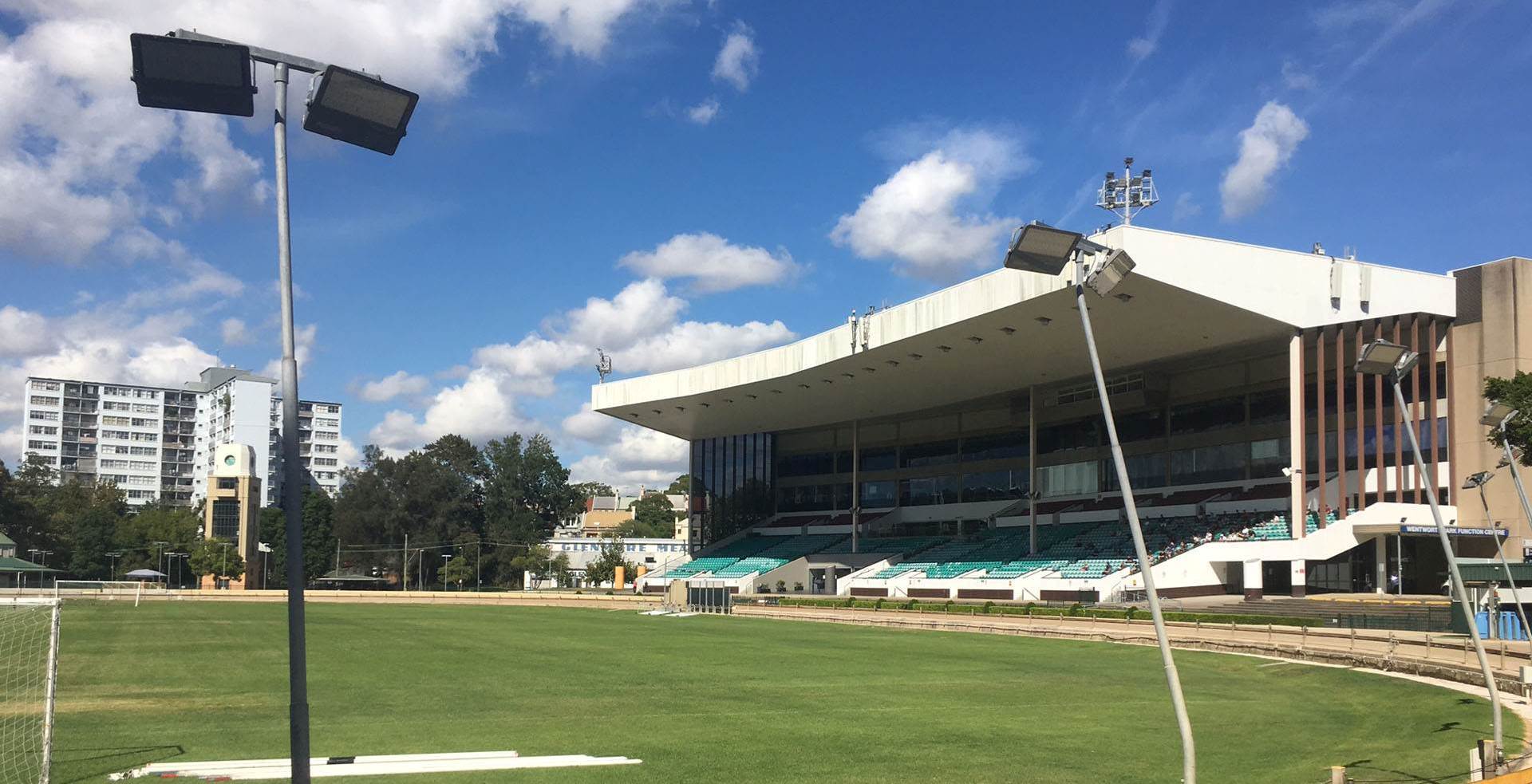
Wentworth Park, Glebe – 50 years on from the classic encounter

In 1968, the world was in turmoil. Already that year, Martin Luther King Jnr. and Senator Robert Kennedy had been assassinated, American forces in Vietnam were reeling under the Tet Offensive and on 20th August 1968, Soviet Russian forces had invaded Czechoslovakia. Two days earlier on 18th August 1968, far away from the world trouble spots I saw what I consider to be one of the most exciting football matches I have watched in my lifetime. It was not in Serie A, La Liga nor the English first division but was played between two NSW Soccer Federation teams, Pan Hellenic and APIA Leichhardt.

The match was played at Wentworth Park in Glebe, Sydney, a venue that was primarily a greyhound track but in the late 1950’s, 1960’s and 1970’s became the “spiritual” home of New South Wales football. I had just turned fifteen and as had been customary for many years, accompanied by father, a football journalist to the game.

Stan Slide
Sent off – Stan Ackerley the affable Apai Leichhardt left full back

It was a lovely sunny afternoon and having collected our passenger Tony “Hotspur” Horstead, the Daily Mirror football writer, we headed to Wentworth Park.  Even in 1968, parking was scarce around Wentworth Park and as usual my father called upon Johnny Thompson, NSW Soccer Federation treasurer and later Sydney Olympic identity, to sneak his cream 1966 Ford Falcon station wagon into the ground.

With just three games left in the season proper, Pan Hellenic were joint top of the table on twenty nine points with a very strong Hakoah side, four points clear of their opponents that day, third placed arch rivals APIA Leichhardt.

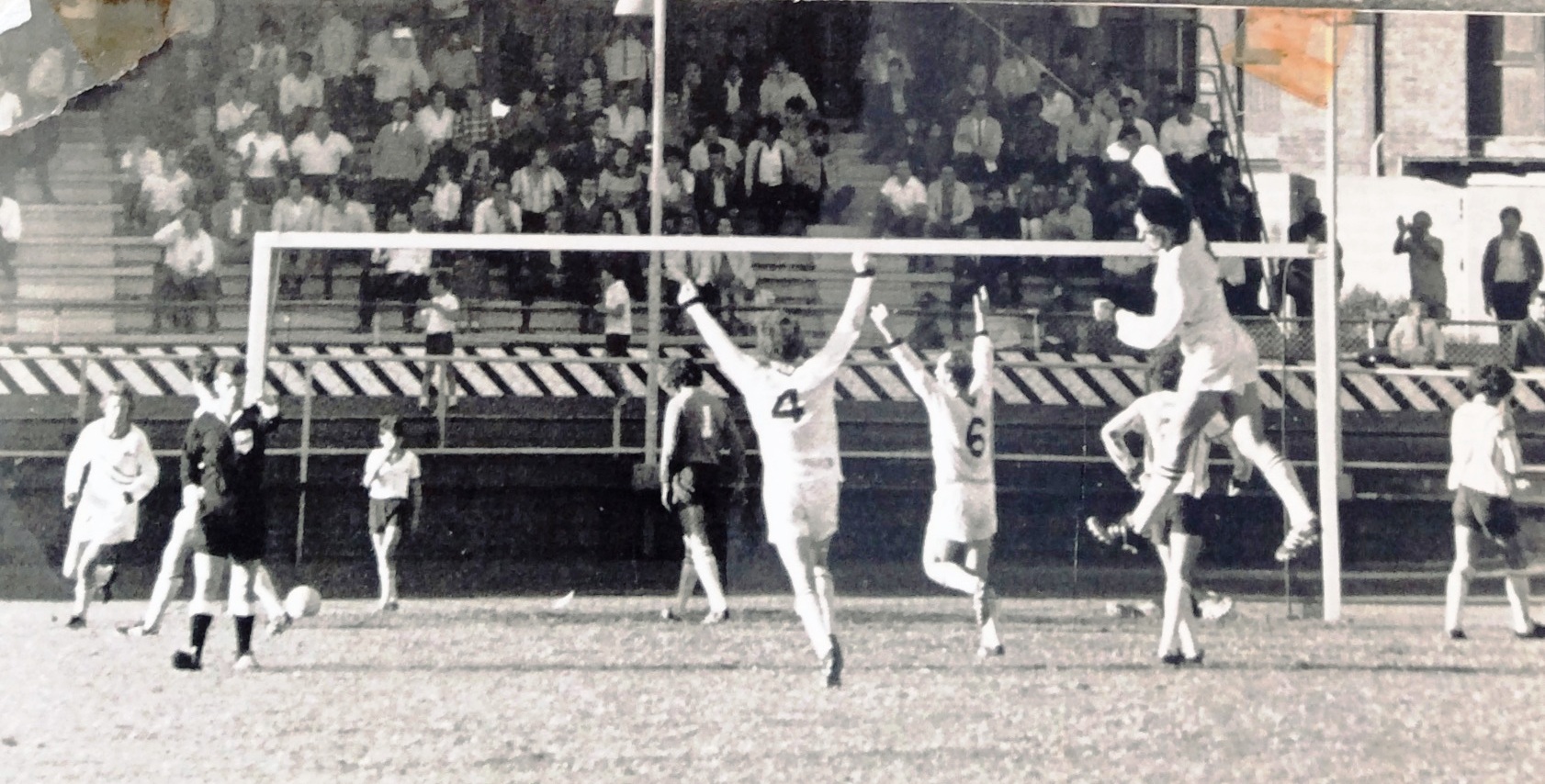
Pan Hellenic v Western Suburbs at Wentworth Park in 1971

Wentworth Park was not ideal for the footballing spectator. Although the playing surface was always well grassed, the dog track, gates, barriers and lowly hung racing lights hindered the view of the distant football pitch. Upon arriving, we were entertained by the reserve teams of the respective clubs, always a more entertaining distraction than today’s practice of watching a 45 minute warm up.

On paper APIA had the better line up. Cliff van Blerk, Stan Ackerley, Pat Hughes and Archie Blue had all represented Australia, Fil Bottalico was a tough as nails defender and the talented Argentinian Ricardo Campana and Italian born Johnny Giacometti were both exceptional attacking players. APIA also boasted an 18 year old Ernie Campbell, who had spent time at Chelsea and later was to play twenty four times for Australia.

Horrie Clarke
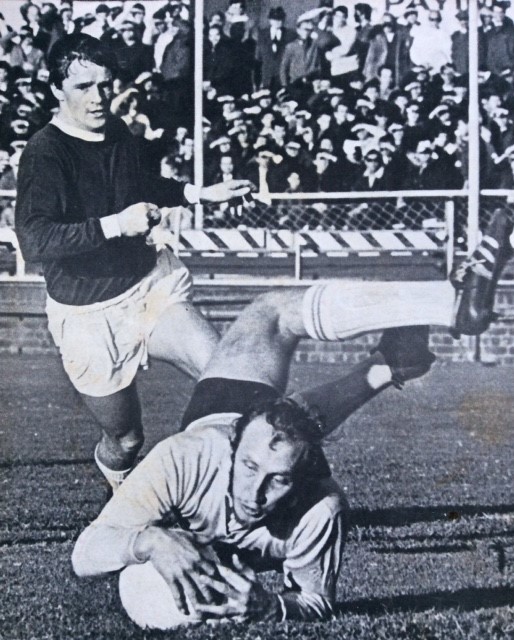
Pan Hellenic’s goalkeeper Horrie Clarke saves from Hakoah’s Willie Rutherford
 Their opposition, Pan Hellenic had a string of UK born players as was the fashion in the late 1960’s. Among them a Welshman, goalkeeper Horrie Clarke, three Scotsmen, Davey Johnston, John Cole and George McCulloch, skillful English born winger Roy Blitz, his compatriot Alan Westwater plus Liverpudlian defender, Alan Hignett. These were supplemented with Hellenic heritage in the form of strikers Sot Patrinos and John Karyannis and their talisman, former Greek international and fan idol, Takis Loukanidis.

These two clubs consistently drew good crowds but with Pan Hellenic within reach of a maiden minor premiership and with the now well acclimatised Loukanidis in their ranks, every milk bar in Sydney was closed that afternoon. More than eighteen thousand spectators crammed into the home of NSW greyhound racing as packets of peanuts and the popular publication the green “New Soccer Vurld” registered record sales.

Bosko
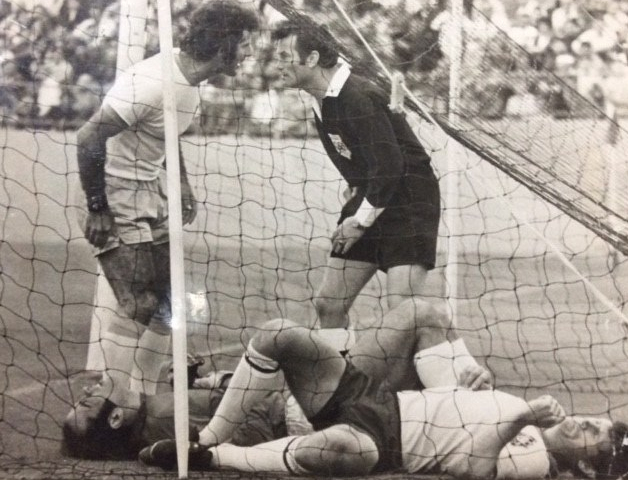
You didn’t mess with Australia’s former No. 1 referee Tony Boskovic

Pan Hellenic started brightly and took the lead in the fourteenth minute through their slender striker John Karyannis. The lead was short lived however as APIA struck back seven minutes later, courtesy of their red headed teenager Ernie Campbell. The game ebbed and flowed infused by the vibrant crowd as the Pan Hellenic fans took first half points in the noise stakes. Pan Hellenic had two goals disallowed for offside, much to the dismay of their enthusiastic supporters. Both claims were declined demonstratively as was his manner, by FIFA accredited referee the ebullient Tony Boskovic. The sides went to half time at 1-1 and it was time to enjoy that Wentworth Park delicacy, a Sargent’s meat pie and a cup of coffee.

The second half continued with APIA having the better of the early exchanges. The Leichhardt based outfit received a set back however when their former Manchester United left back Stan Ackerley was sent off. Rather than buckle, the sending off lifted APIA. Campana and Campbell both went close for APIA but in the eighty seventh minute, Pan Hellenic’s busy midfielder George McCulloch won the ball just inside the APIA half drove forward and from thirty five metres lashed a tremendous right foot shot past Brian Taylor in the APIA goal.

Greek superstar Takis Loukanidis heading for goal against APIA Leichhardt at Wentworth Park

Wentworth Park erupted as thousands of delirious fans chanted “Pan Hellenios, Pan Hellenios.” It was a magnificent goal to settle such an important match and Pan Hellenic hung on for a memorable 2-1 victory, remaining on top of the competition table on goal average. The majority of the crowd celebrated jubilantly as they went home, most probably via the Hellenic Club in Elizabeth Street Sydney.

Sadly for Pan Hellenic supporters, a couple of weeks later, their club was pipped for the title by a very strong Hakoah side but those fans of both teams who attended Wentworth Park on that sunny Sydney afternoon had witnessed a wonderful football spectacle.

Driving home, my dad, Tony Horstead and myself agreed that if we could witness the excitement of that match on a regular basis, Australian soccer would surely become the foremost football code in the country.

David Jack

©2020

MELTING MOMENTS

Melting Moments

I love my Melting Moments
There’s nothing can compare
My sumptuous magic moments
Are one thing I won’t share

Those gorgeous little moments
No biscuit’s quite so nice
Especially when I snare them
At two thirds normal price

I scoff my Melting Moments
Twice daily by the score
I love 💕 those little Moments
As they crumble to the floor

Our lives are full of moments
As the years unwind
But if you want them blissful
Adopt the biscuit kind

© David Jack 2020
 

TAKING IT (BACK) TO THE STREETS

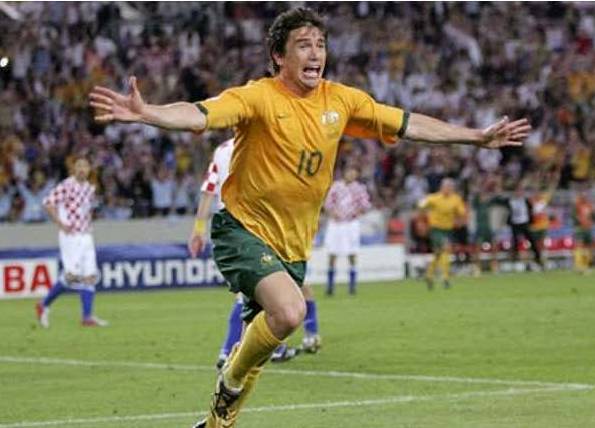
Harry Kewell Croatia
                                                              When will we find the next Harry Kewell ?

As I headed for my regular walk along the beach, on a grassy area in the distance a dozen figures were kicking a round ball to each other across a 25 metre diameter circle. As I got closer, I realized that those kicking the ball were all girls. As I stepped on to the beach, I saw three teenage boys, showing exceptional skill keeping a tennis ball airborne with their feet and head. Returning past the grassed area, half an hour later, a group of boys aged from eight upwards had a small sided game underway, displaying some real football talent.

These scenes were so different from how they would have looked when I arrived in Australia in 1967. If a ball was seen on the beach then, most likely it would have been of oval shape. You certainly would not have seen a bunch of girls kicking a ball around in a park and if young children had organized a football game, in New South Wales there is no doubt it would have been “touch footy” (rugby league).

Boys on Beach Cropped
                                           2020 – Teenage boys juggling a tennis ball on the beach

It can’t be denied that today throughout the country, there are more Australians playing our brand of football than any other version. The women, led by Sam Kerr have put the Matildas well and truly on the football map and this much loved national team ranks well globally. Our male player representation however is minimal in the top leagues of world football and the performances of our national youth, Under 23’s and full international teams over the last couple of years, could be at best described as workmanlike. Australian football hit a purple patch with the so called “Golden Generation” and the very creditable performance in the 2006 FIFA World Cup finals. Why then when there are now record numbers playing the round ball game, are only a sprinkling of our locally produced men impressing on the world stage and why are our national teams struggling ?

If player registration numbers were declining the reduction in the number of local grown stars could be partially explained. However of our rival footballing codes, rugby league is in terminal recession at junior level and the traditional rugby union game has its’ own participation problems. Furthermore, I don’t believe that Australian Rules football, a sport requiring a totally different skillset to football is stealing too many potential stars from the “world game”. Clearly a lack of football participants in the national playing pool is not a contributing factor and in no particular order, I offer these suggestions for the hiatus in our production of standout male footballers ;

1. EUROPEAN IMMIGRATION DOWNTURN

Italian Immigrants
                           1950’s immigration and a boatload of potential Apia Leichhardt supporters arrive in Sydney

The influence of football loving migrants has dissipated. Although soccer has been played in this country for over 100 years, the catalyst for increasing the game’s popularity and playing standard was the post World War 11 immigration from Europe. Not only did European migrants add skill and excitement to the local game but their progeny were imbued with a love of football and continued this love of Association Football. The Golden Generation of Australian football and the players of the previous generation were raised on their parents’ and grandparents’ football culture. Since the early 1960’s the Australian men’s national team has included many wonderful footballers, sons of European migrants such as Attila Abonyi, Billy Vojtek, Eddie Krncevic, Mark Bosnich, Mark Viduka, Harry Kewell and scores more. However, as the number of European migrants has diminished considerably over the last 25 years or so, the inherent footballing spirit of their descendants likewise would appear to have been diluted.

2. PLAYER REGISTRATION COSTS

While the cost of grassroots player registration at local club level compares reasonably with the other footballing codes, it is at the elite junior level of National Premier League clubs that the cost soars. The registration fee for junior representative football in the Skill Acquisition Program (“SAP”) can range between $2,500 – $3,000 per season. With SAP, there is then the expectancy that young players will train three times weekly for forty weeks. This itself, incurs a huge obligation for a parent having to transport their child to training and matches. There is never a shortage of young players aspiring to play representative football, but could many potential stars be slipping through the cracks because parents can’t afford the financial cost and the time expense necessary to advance their children’s football career?

3. THE MODERN WORLD

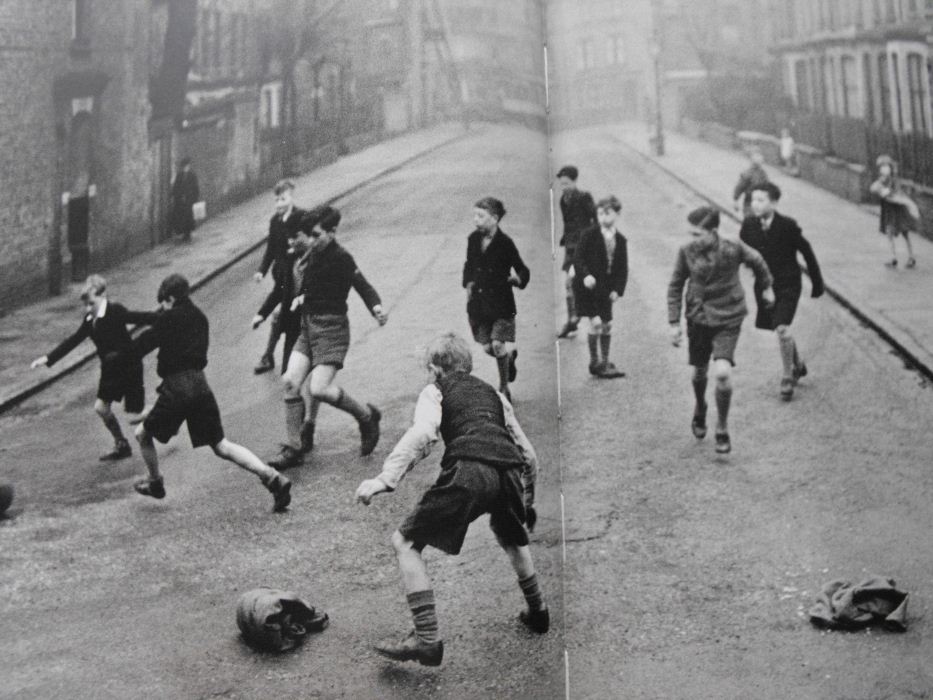
Street Football
                                                  “Taking it to the streets”

As an English youngster long before any coaching “kicked in”, I would football in the street, park, schoolyard or anywhere that my friends and I could find space to set up a couple of makeshift goals. We weren’t coached but we developed our skills by learniing on the pitch what worked and what didn’t. Through park and street football, the pressures of coaches or parental sideline interference, we learned to play by being inventive and imaginative. These formative years were vital in my football development and that of my contemporaries. Unfortunately, it is not easy today to find a street where there is no passing traffic and parents are loathto let their children play at the park without supervision. Consequently, learning to play football today has become more rigid, less    imaginative and a less frequent recreation. Entertainment wise, Australian children now have a wide range of options. Aside from the variety of sports and activities on offer, there are distractions in the form of electronic devices (iPads, computers, video games etc.). As budding footballers, we didn’t have these entertainment choices which, in 2020 can significantly restrict the time available for children to play football. 
 4. ELITE COMPETITIONS – THE A LEAGUE & W LEAGUE

We desperately need to develop and improve the standard of our premier national competitions, the A League and W League, although this is much easier said than done. Initially, if the salary cap was abolished this would benefit both the local player and attract a better quality of overseas player. Abolition of the cap would also allow clubs to retain the best Australian talent, which would drive up the standard of the competition.

To entice young Australians to covet a local professional football career, we need to provide an exciting match day experience in the A League and W League. Critically, games need to be played in smaller stadiums, preferably rectangular in configuration bringing spectators closer to the action. This would help to generate atmosphere and enhance the excitement of the occasion. Free entry to A League & W League games for children would also be a worthwhile initiative.

Big Ground Small Crowd
                        Big ground small crowd – not ideal for A League excitement

The A League does not provide enough opportunities for local Australian footballers. The league’s governing body must seriously restrict the number of run of the mill overseas “visa” players cluttering up the A League clubs. Currently, A League clubs can have five contracted overseas players – far too many. For every imported player of the outstanding quality of a Thomas Broich, the A League has presented scores of Alex Meiers, Mario Jardels and Michael Mifsuds who have effectively used our national competition as a retirement home. We have more than enough local youngsters willing and able to take their place if given the opportunity.

Thomas Broich
                                                 Thomas Broich – An A League diamond

If there were more opportunities for local players and increased income, playing full time professional football in Australia would have more appeal for our talented youth. Furthermore, playing alongside a better calibre of overseas imports would no doubt enhance the quality of the Australian player and therefore the standard of Australian football.

5. LACK OF CLEAR PATHWAY FOR YOUTH FOOTBALLERS

In addition to the visa player issue, the current set up of our senior football competitions is stifling the progress of young players. The A League is currently a closed shop. Clubs are “the untouchables” with no fear of being relegated. This itself is a major impediment to the qualtity of the matches, particularly towards the end of the season. At the other end of the scale, the lack of promotion also dulls the ambition and the potential of a large number of NPL clubs. Sadly, A League clubs have no direct relationship with longstanding Australian football clubs such as Sydney Olympic, Melbourne Knights, South Melbourne or Apia Leichhardt nor with the large number of local district football associations throughout the country. As such, there can be no seamless transition from local club football through the National Premier Leagues to the A League. There is also no A League reserve competition that would allow promising young players to challenge their skills regularly with more experienced players. Although the A League youth teams compete in a truncated competition, in a normal season, these players would play less than half the number of matches than would their overseas counterparts.

Outstanding 16 and 17 year old players need to be playing consistently at the top local level with more senior players. Football history is littered with great players who made their senior debut at 17 (Pele when he was 15 !). The glut of overseas players and the reluctance of many cautious A League coaches to persevere with young players, is setting back the development of our youth players at a critical stage of their careers. The FFA board have indicated that implementation of both a second division and A League promotion and relegation is in their sights but for the good of Australian football, these modifications can’t happen soon enough.   

Jardel PDF
                             Mario Jardel – A League superannuant who failed to deliver

A further problem is that of the promising young player who is encouraged to go overseas too early in their development. The goal is usually to play at “the next level” but what is the next level? Playing in the second division in Switzerland or Denmark or in Saudi Arabia? It is possible that the money may be better in the Middle East but it is debatable whether the playing standard in these leagues is higher than the A League. Is the cost of a disjointed spell overseas, often with mandatory language adjustments and limited game time, worthwhile?

For a long time, there has been a mentality that the overseas football grass is always greener. I challenge this and believe that many players would be far better off pursuing their career locally than wasting their time playing irregularly in average overseas competitions. The disruption to their careers by a failed overseas excursion can be irreparable.

6. COACHING

Viduka
                             Former Australian international Mark Viduka – not a product of the coaching manual

Last but not least in my search for the reason for the dearth of quality Australian players, is coaching. Are the quality and methods of our local coaches to blame for the reduction in exceptional players coming out of Australia? Never before has this country had so many qualified coaches and football academies. We also have a national coaching curriculum to help us along our way, but nevertheless, the playing standard of our national teams is slipping further behind that of a number of Asian nations.

Cromer Park
              Cromer Park – home of Manly Warringah football provides marvelous training facilities

I don’t believe that a lack of funds for our youth development is an excuse. Many football associations have excellent training facilities to offer junior players and just by building more facilities, we are not going to be able to teach the skill of dribbling, passing or shooting any better. Are we becoming hung up with coaching tactics and playing systems rather than the game itself? Are our players being “overcoached” and missing out on the enjoyment I found in my schoolyard football?

From a very early age our football is structured. Under 6 teams have a coach, quite often willing, but sometimes not able to demonstrate football skills at this critical stage of the player’s development. Are our coaches emphasizing the physical rather than the technical aspects of being a footballer and where will we find the next Harry Kewell or Mark Viduka? We have long relied on our athleticism and physical strength to overcome Asian opponents but it has been clear for some time that athleticism is no longer sufficient.

Billy Vojtek Vietnam
               Billy Vojtec – Australia’s “Wizard of the Dribble” in 1967

I firmly believe that our coaches place far too much emphasis on “possession football.” More and more young players are coached to retain possession but not encouraged to attack once possession has been obtained. Possession football discourages dribbling, a critical skill in breaking down defences. We need to develop players who are able to attack defenders down the flanks. We need midfielders and defenders to relinquish their obsession with square and backward passes and look to go forward consistently. It is time for all those responsible for youth development to allow players to express themselves, to be adventurous and to rediscover the art of dribbling. Coaches should also step back and let young players experiment and enjoy some free form football on their own. Set them tasks to go home and practice. Trapping a ball, dribbling and juggling the ball. Most importantly, it is crucial that coaches make every training session interesting, not tedious and done with a sense of urgency. Above all else, the coaches must ensure that training is enjoyable.

Arzani
                                                                                 Daniel Arzani – an exciting Australian talent

In this country there has always been an abundance of raw material primed to be developed into top quality footballers. With a handful of talented youngsters now playing consistently in the A League, including Riley McGree, Nathaniel Atkinson, Reno Piscopo and Chris Ikonomidis, we are on the right track. Additionally, we have the exciting Daniel Arzani soon to return with Glasgow Celtic from knee surgery so there is reason for optimism. Issues need to be addressed however to steer the Australian football ship in the right direction. Hopefully the FFA board and its’ new CEO James Johnson will have the understanding and the wisdom to make it happen.

Modern day young footballers may not be able to throw down makeshift goalposts on the busy streets of Australian cities. If, however we can provide our young players with the opportunity for a prosperous football career in Australia and ensure that coaches and their training sessions emphasize skill and football invention rather than the athletic aspect of the game, Australian football may start to lay some more golden generation eggs.

© David Jack 2020

ARLO GUTHRIE – CITY RECITAL HALL SYDNEY

                            17th APRIL 2019

Arlo Guthrie plays his final Thanksgiving show at Carnegie Hall on 29th November 2019
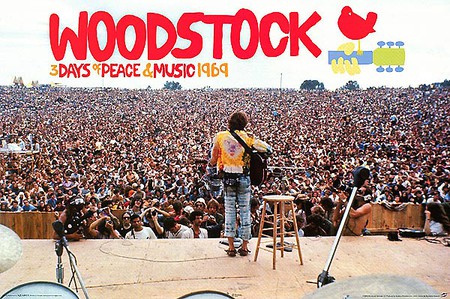
In July 1969, two historic events took place. On the twenty first of the month American astronaut Neil Armstrong became the first person to set foot on the moon. “One small step for man”….etc. The second “happening” to quote a hippie buzz word, was the Aquarius Music & Arts Festival which took place on Max Yasgur’s farm at Bethel, Woodstock, New York State between 15th – 18th July 1969. To this teenage music fanatic and babe of the counter culture, there was no doubt which occurence had the greater impact.
Woodstock crowd
                                Woodstock – 3 Days of Peace Love & Music
The Woodstock festival was unique and the three days of peace, love, music and lots of mud was a career “stimulant” for numerous artists who performed at the festival. One such artist was a fresh faced 21 year old Arlo Guthrie, son of the legendary folk and country artist, Woody Guthrie. To this day Arlo Guthrie’s “Coming into Los Angeles” remains my favourite track on the Woodstock album which was originally a three record set. When 50 years later Arlo Guthrie was booked to perform at the City Recital Hall Sydney, it was a chance to shorten my bucket list.
Arlo Woodstock
                           Arlo Guthrie 21 Years Old At Woodstock
Travelling to events in Sydney can be challenging but being only a half hour bus trip and a two minute walk from the venue, I was obligated to relive my memories of 1969. Arriving in good time, I waited excitedly, enjoying my Young Henry beer as the throng of white and grey haired former hippies shuffled to their seats. The show was scheduled to start at 7.30 p.m. and as Arlo and his four piece band were tardy coming on stage, I wondered  if the 71 year old might have nodded off in the green room. When the band took the stage, they launched into an up tempo though truncated rendition of The Motor Cycle Song. The sound mix was fine and not too loud for the aged audience but Guthrie’s voice now shares the croakiness of Dylan and at times lyrics were lost between microphone and audience.
This image has an empty alt attribute; its file name is arlo-small-sydney-2-e1631887910172.jpg
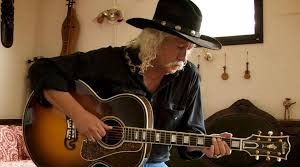
A relaxed and contented 21st Century Arlo Guthrie
Politically and on a social conscience front, the 2019 Arlo Guthrie appears a decaffeinated version of the double shot expresso Guthrie of 1969, who stopped mid song to berate the Woodstock crowd for not joining him in Dylan’s Walking Down The Line. In a week in which an Australian, Julian Assange was arrested for exposing American War Crimes, a passing reference at least by Guthrie, author of the latently anti war anthem Alice’s Restaurant Massacree, might have been expected. This however is a contented Arlo Guthrie, maybe tired of political activism, who clearly enjoys touring and being part of a large musical family.
Arlo 2019
                                                                Arlo Guthrie & Friends 2019
The opening set continued with Gates of Eden, a very competent homage to Bob Dylan. The influence of Dylan has always been present which is not surprising as Dylan himself was a disciple of Arlo’s father, Woody. The first set lasted a little over 45 minutes which didn’t displease those in the audience, in need of a toilet break. The opening part of the show had been pleasant, without being invigorating and we could comfort ourselves knowing that a number of Guthrie’s better known songs must follow. We weren’t disappointed as the second set included the Alice’s Restaurant tome, the delightful City of New Orleans and Coming Into Los Angeles. Unlike the now reticent Dylan, Guthrie is more than happy to share his musings with the audience and his recounting of when he first played Woody’s This Land Is Your Land was fascinating. The band was more than competent – not overbearing but they knew their place and contributed to an enjoyable performance. Arlo Guthrie’s social conscience and rebellious instincts may have been submerged below several layers of contentedness but he can still deliver an enjoyable show.
Recital Hall Stage
                                                                                          Show’s Over – Ready For The Load Out
David Jack ©2019

ANYTHING GOES AT THE RACQUET BAR

Anything Goes Nov 2019 Pic
                                                      Anything Goes – Friday March 8th 2019 Elenora Squash & Fitness Centre

Last Friday night I went down (up really from Dee Why) to the crossroads, not the Mississippi Delta location made famous by the legendary blues guitarist, Robert Johnson, but the Elenora variety – where Kalang Road meets Powderworks Road. Specifically, The Racquet Bar, where Anything Goes, comprising, Steve, Bruce, Ernie and Marty entertained an appreciate throng of AG fans and anyone else living within two hundred metres of this Mecca of Elenora night time entertainment. Regular bassist Fred was a notable absentee having been invited to the United Kingdom to perform as a special guest at the prestigious London Bass Guitar Show. 

I was able to park my vintage Ford Fairmont pleasingly close to the venue and as I opened the car door, the pulsating familiar chord progression of the even more vintage Ben E King’s Stand By Me, reverberated around the Elenora “CBD”. I had missed the early part of the set with multi instrumentalist Steve on rhythm guitar, but was assured later (by Steve) that before switching to the bass, his six string acoustic work was faultless.

Bruce Moonlighting
Drummer Bruce Neill moonlighting with an other band

Next up was J J Cale’s After Midnight. Admittedly, the band had got their timing awry as my watch only reflected 7.54 p.m. but this had to be squeezed in early, as most Elenora locals are in bed by 9.30 p.m. Mark Knopfler’s So Far Away and Fastball’s cookie one hit wonder The Way, featured superb stick work by Bruce Neill on the skins with lead vocalist Marty and stand in bassman Steve, chiming in with great effect on the chorus of the Fastball number (Whatever happened to Fastball?).

The set concluded with a rocking version of Creedence Clearwater Revival’s Bad Moon Rising. As a I closed my eyes and massaged a pure blonde (beer), lead guitarist Ernie’s precision double stop licks evoked thoughts of my sitting on the banks of a Louisiana bayou exchanging memories of gigs gone by with CCR’s John Fogerty. It should be said that Fogerty had a good few more memories than me!

While Steve, Bruce and Ernie took a well earned break, we were treated to a return to musical modernity with Shallow from “A Star is Born.” Backed by her father Marty on acoustic guitar, Ishara offered a delightful rendition of both Bradley Cooper’s and Lady Ga Ga’s parts from the popular hit. To tactfully avoid overshadowing his daughter’s flawless act, Marty refrained from the interpreting the Bradley Cooper slice of the Academy Award winning song. Although, if I am to be blunt, the only resemblance between Marty and Ga Ga’s partner in song, Cooper, would be their three day growth and that both are male.

Ga ga
A couple of novices performing Ishara & Marty’s “Shallow”

Back to the main event and Ernie’s Fender Stratocaster was in top form on Black Magic Woman, merging songwriter Peter Green’s original Fleetwood Mac take with the silky Carlos Santana Tex Mex blues feel. It was fitting that with the Jimmy Barnes look alike, Steve on stage (though I must add that I consider Steve is more handsome than the Working Class Man), the band should rip through Cold Chisel’s My Baby and then Cry In Shame, made popular by Jimmy Barnes’s brother in law (and therefore Steve’s by default), Johnny Diesel.

As the set unfolded, Anything Goes powered through classic pop / rock as we were treated to the late Tom Petty’s I Won’t Back Down, The Box Tops’ The Letter and of course Robert Johnson’s Crossroads with Ernie’s Mesa Boogie amp cranked up to “11” in true Spinal Tap fashion. No doubt those Kalang Road residents still awake, were enjoying rock history being played out in their own front yards. The Clash may have rocked the Casbah but on this particular night, Anything Goes were rocking The Racquet Bar.

Bruce Neill, starved of his beloved microphone, more than compensated for the cutting of his umbilical vocal chord with additional verve in his drumming. Marty too, had expended so much vocal energy that he saw fit to revive his larynx, with an oversized bowl of the best hot chips you could find in Elenora on a balmy Friday evening in March.

french-fries
Marty’s recipe for smooth vocal tones

As the heat continued to rise in the sweaty rock cauldron, many patrons would have gladly swapped their Carlton Draughts, for a cool Carlton draught blowing up from the Melbourne suburb of the same name. The band had to wind down relatively early as Steve had to get up for “proper work” at 6.00 a.m. the following morning (the Racquet Bar is no cash cow!). We still had time though, to enjoy Steve Miller’s The Joker, where the lyric “I’m a midnight toker” seemed a little unlikely in sleepy Elenora. There were also very plausible versions of the ever present (did I say monotonous?) Brown Eyed Girl and a crunching performance of the Marvin Gaye hit I Heard it Through The Grapevine. Classic Aussie rock in the form of the The Sunnyboys Alone With You and The Angels No Secrets reminded this listener of 6.00 p.m. Sunday nights watching the bumbling Molly Meldrum on Countdown and the golden age of local music. Both tracks were presented by Anything Goes as more than competent replicas of the original tracks.

To close the show, this reviewer was offered the chance to accompany Bruce, Marty, Steve and Ernie on Chuck Berry’s classic Johnny Be Goode. Marty kindly offered me his acoustic six string and immediately I could tell that this guitar had special musical lineage. The amount of liquid paper on the guitar neck, clearly indicated that this instrument had spent considerable time in the home of Monkee Mike Nesmith’s family home in Dallas, Texas (some readers might need to Google “liquid paper” to understand).

Liliarna showing her style with birthday girl, Niro looking on in admiration

The musical magic of the band was complemented by the dance performance of Ishara’s mum, Niro. Celebrating her birthday, Niro ripped up the dance floor, accompanied by her little sidekick, the pocket dynamo Liliarna. Lily, of very tender years but extraordinary feet, dazzled the crowd and made the John Travolta of Saturday Night Fever, look like an arthritic eighty year old who had forgotten to take his anti inflammatories. You can bet that the recently toured front man of Artic Monkeys Alex Turner, would have remarked that the dancing duo did in fact “look (very) good on the dance floor.”

I managed to negotiate the entire three chord challenge of the Chuck Berry song without embarrassing myself as the curtain came down on a very enjoyable evening. It was 10.30 p.m. and although those neighbours still awake in Kalang and Powderworks Roads clamoured for an encore, by then Bruce, Marty and Ernie had settled into the inevitable signing of autographs and the taking of selfies with the Anything Goes faithful. Steve was on his way to work.

Anything Goes perform on the second Friday of each month at The Racquet Bar, Kalang Road, Elanora.